

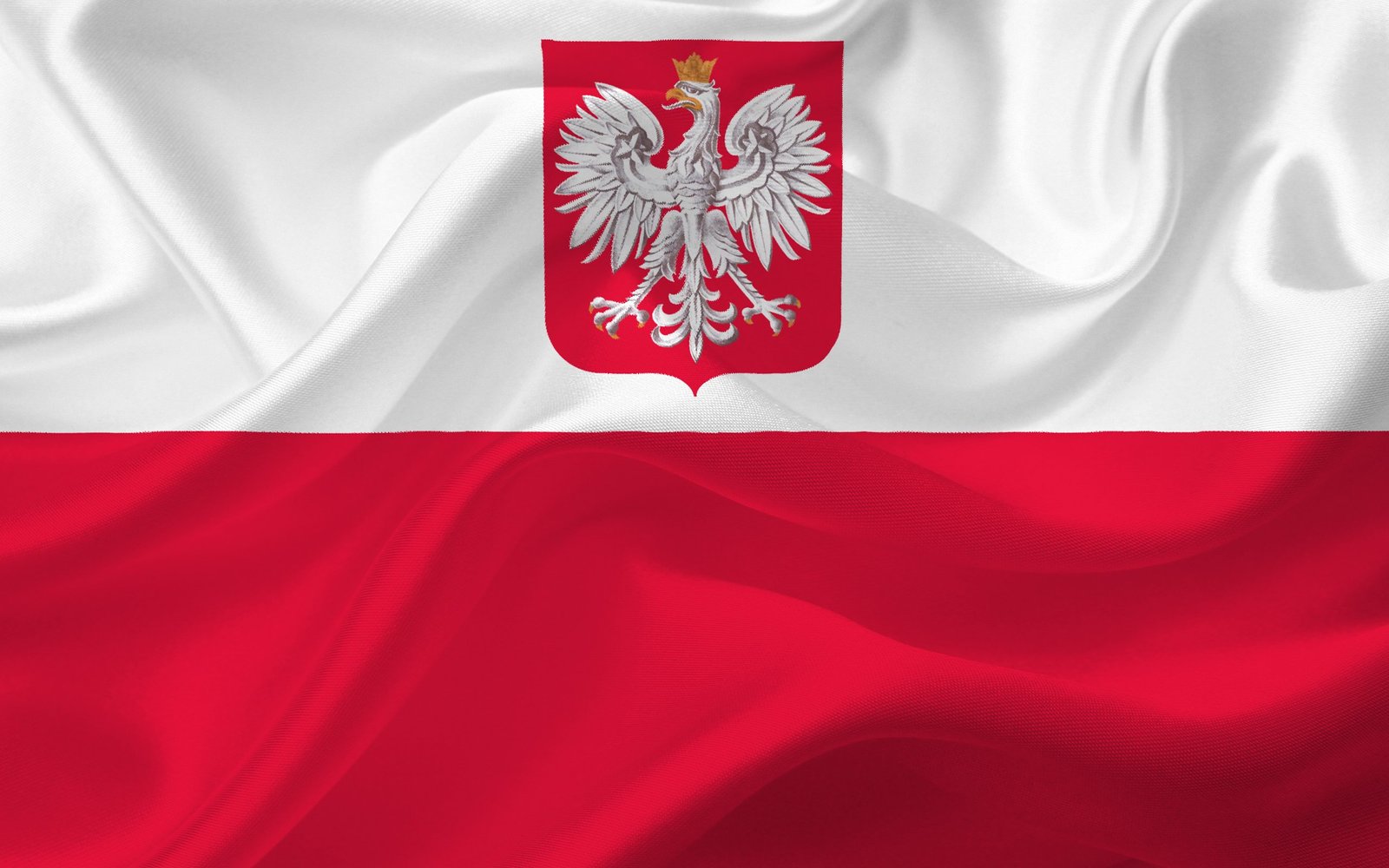
For thousands of desperate migrants who have risked everything to cross into Poland from Belarus, the latest news is a devastating blow. Poland has officially suspended asylum applications at its eastern border, shutting down a critical pathway for those fleeing war, persecution, and economic hardship. Many who had hoped for safety and stability in Europe are now left stranded in limbo, caught between the harsh realities of border politics and the desperate need for a fresh start.
This development is yet another chapter in the ongoing migration crisis that has gripped Europe in recent years. With Poland enacting strict border controls, the fate of many vulnerable individuals hangs in the balance. The decision to block asylum seekers has drawn fierce criticism from human rights organizations, yet Polish authorities insist that this measure is necessary to safeguard national security. But what exactly led to this suspension, and what does it mean for those who had hoped to start a new life in Poland?
Poland’s Justification for Shutting Down Asylum Applications
The Polish government, led by Prime Minister Donald Tusk, has made it clear that controlling the border is a top priority. The new law grants authorities the power to suspend asylum rights for up to 60 days, a restriction that can be extended if deemed necessary. The government argues that the influx of migrants, many of whom are believed to have been encouraged by Belarusian authorities, poses a security risk and must be managed with firm policies.
President Andrzej Duda has emphasized that the decision is purely a security measure, not an attack on human rights. He stated that Poland will not allow mass migrations to destabilize the country, especially at a time when tensions with Russia and Belarus remain high. The Polish government insists that many of the migrants attempting to cross the border are not genuine asylum seekers but individuals being used as political tools by Belarusian authorities.
Human Rights Concerns and EU Response
The suspension of asylum applications has triggered a wave of criticism from human rights organizations, including Human Rights Watch. Activists argue that this move violates Poland’s obligations under international and European Union law, which guarantees the right to seek asylum. Critics fear that this decision will set a dangerous precedent, potentially leading other EU nations to adopt similarly restrictive policies.
Human Rights Watch has urged the European Union to take legal action against Poland, arguing that denying people the right to apply for asylum goes against fundamental EU values. The organization has also condemned Poland’s history of “pushbacks,” in which migrants are forcibly returned across the border without due process. Reports suggest that more than a hundred people have died along the Poland-Belarus border in recent years, raising serious humanitarian concerns.
Exceptions to the Asylum Ban
While the law applies broadly, the Polish government has outlined some exceptions. Authorities have stated that asylum applications will still be considered for individuals facing extreme risk if deported, such as political dissidents from Belarus and vulnerable groups like unaccompanied minors, pregnant women, and the elderly. Those with medical conditions that require urgent care will also be exempt from the suspension.
Despite these assurances, human rights groups remain skeptical. They argue that Poland’s approach to migration has become increasingly rigid, making it difficult for even the most vulnerable individuals to secure protection. Many fear that those turned away at the border will be forced into dangerous situations, with no safe alternatives.
The Growing Migration Crisis in Eastern Europe
The migration crisis along Poland’s eastern border is not new. Since 2021, countries like Poland, Lithuania, Latvia, and Finland have reported a surge in illegal crossings from Belarus. European officials have accused Belarusian leader Alexander Lukashenko of deliberately encouraging migrants to travel to EU borders as a form of political retaliation. This tactic, often referred to as “weaponized migration,” has heightened tensions between the EU and Belarus, as well as its ally, Russia.
In response to the crisis, Poland has deployed thousands of troops and border guards to prevent illegal crossings. The government has also constructed a 5.5-meter-high steel barrier spanning 186 kilometers along the border with Belarus. Despite these efforts, migrants continue to attempt dangerous crossings, often getting trapped in no-man’s land without access to food, water, or medical care.
Reports from humanitarian groups paint a grim picture of the situation. Many migrants, including families with children, are left stranded in freezing temperatures with no shelter. The increasing number of deaths at the border has intensified international calls for Poland to adopt a more humane approach. However, with national security concerns dominating the political discourse, there is little indication that Poland will soften its stance.
What This Means for Future Asylum Seekers
For those hoping to seek asylum in Poland, the future is uncertain. The new policy makes it clear that Poland is not willing to accommodate large numbers of migrants, especially those arriving from Belarus. This will force many to consider alternative routes, possibly seeking asylum in other EU countries with less restrictive policies.
For Nigerians and other migrants seeking a better life in Europe, this situation serves as a stark reminder of the growing barriers to migration. Many young Africans dream of studying, working, or settling abroad, hoping to escape economic hardship and build a future for themselves and their families. However, as more countries tighten their borders, the path to relocation is becoming increasingly complex.
It is now more important than ever for prospective migrants to stay informed about changing immigration policies. Those considering travel to Europe must ensure they understand visa regulations, asylum procedures, and alternative pathways to legal migration. Seeking professional advice and exploring opportunities beyond traditional migration routes can make a significant difference in securing a successful relocation.
Final Thoughts
Poland’s suspension of asylum applications at the Belarus border is a powerful reflection of the shifting global migration landscape. As governments prioritize security over humanitarian considerations, the challenges faced by migrants continue to grow. While Poland insists that its new policy is necessary, the international community remains divided on whether such measures align with human rights standards.
For those affected, the decision is more than just a legal change, it is a life-altering setback. As the migration crisis deepens, the need for informed decision-making has never been greater.
Stay informed with the latest news from Nigeria and beyond! Join us on WhatsApp or Telegram for real-time updates. Have a report or article? Send it to report@trendingnaijanews.com. Follow us on X (Twitter), Instagram, LinkedIn, YouTube, TikTok, and Facebook for more updates!