Israelis went to the polls on Tuesday in the country’s first national election since the October 7 2023 attacks, casting ballots in what many described as a referendum on Prime Minister Benjamin Netanyahu’s leadership after three years of war. Polling stations opened at 7 a.m. local time and were scheduled to close at 10 p.m., with early figures showing the highest turnout in nearly half a century.
By early afternoon the Central Elections Committee reported that more than 44 percent of eligible voters had already cast their ballots, surpassing previous records at that stage of the day. The rapid pace of voting reflected the intensity of public engagement with an election widely viewed as one of the most consequential in Israel’s history. Approximately 7.3 million citizens were eligible to vote, including several hundred thousand first-time voters.
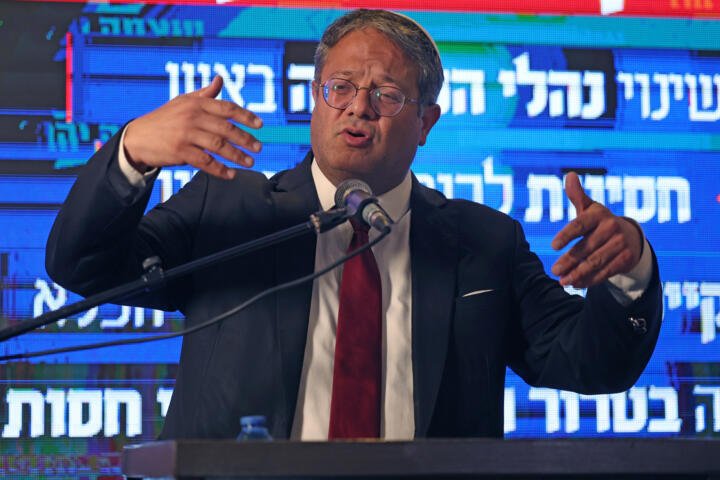
Netanyahu, seeking another term as head of the Likud party, framed the contest as a choice between continued security strength and what he characterised as weaker alternatives. His main challenger, former military chief of staff Gadi Eisenkot, led the centrist Yashar party and positioned himself as a figure capable of restoring accountability and broad national consensus after the failures associated with October 7. Final pre-election surveys showed the two blocs running closely, with neither assured of an outright path to the 61 seats required to form a governing coalition in the 120-member Knesset.
No single party has ever secured a majority on its own in Israeli politics. Coalition negotiations are therefore expected to determine the eventual composition of the next government, a process that can extend for weeks or longer. Opinion polls in the final days of the campaign suggested that Eisenkot’s broader opposition grouping held a narrow edge in some surveys, while Netanyahu’s right-wing and religious allies remained competitive. Arab-led parties were projected to win a meaningful number of seats, though both major blocs had signalled reluctance to rely on them for a governing majority.
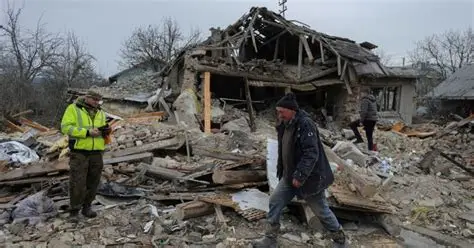
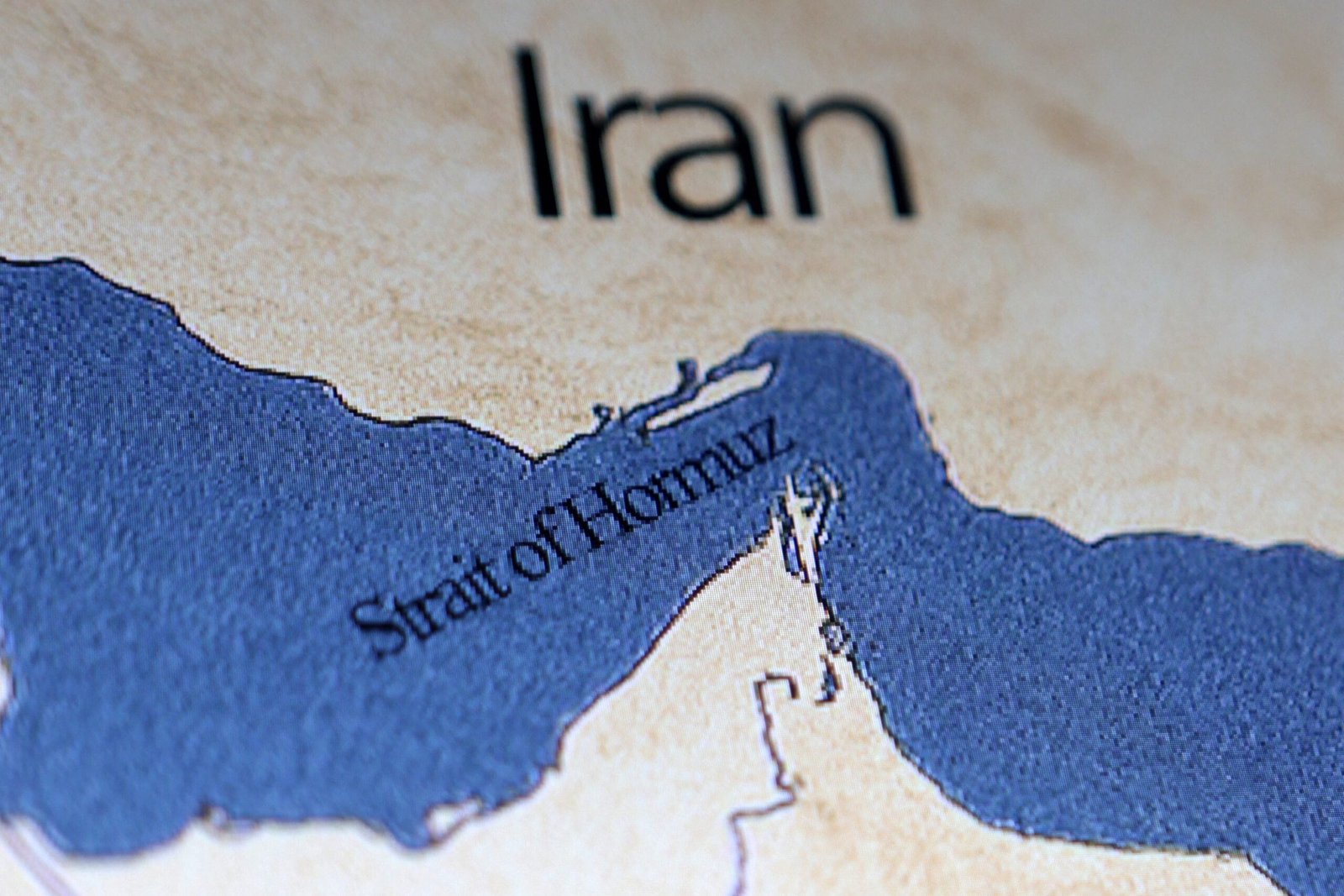
The election took place against the backdrop of prolonged conflict in Gaza, operations in Lebanon and Syria, and heightened tensions with Iran. Netanyahu argued that the military campaigns under his leadership had improved Israel’s strategic position. Critics focused on the intelligence and operational failures that preceded the 2023 attacks, the human and economic costs of the subsequent fighting, and questions about the direction of domestic policy. Eisenkot, who served briefly in the war cabinet before resigning, emphasised the need for institutional reform and a more unified approach to national security.
Voter turnout among different communities became a point of political contention during the day. Netanyahu publicly urged his supporters to match what he described as high participation rates among Arab citizens and left-leaning voters. Opposition figures accused him of attempting to undermine confidence in the process. Election officials reported that polling stations would remain open later if voters were still waiting in line, a standard provision designed to protect the franchise.
The shekel strengthened modestly against the dollar during trading hours, reflecting market sensitivity to the political outcome. Investors and analysts monitored the vote for implications for fiscal policy, defence spending and regional diplomacy. A prolonged period of coalition bargaining could introduce uncertainty, while a decisive result in either direction would clarify the near-term policy path.
International attention focused on the implications for Israel’s relations with the United States and other partners. Netanyahu has maintained close ties with the current U.S. administration. A change in government could alter the tone and priorities of those relationships, particularly on issues related to Gaza, Iran and normalisation efforts with Arab states. Regional actors also watched the results closely for signals about Israel’s future military posture and diplomatic flexibility.
Inside Israel the campaign highlighted deep social and political divisions that have persisted since the judicial reform debates of earlier years and intensified after October 7. Religious parties that form part of Netanyahu’s traditional base remained essential to any potential right-wing coalition. Centrist and left-leaning parties aligned with Eisenkot emphasised the need for broader national healing and a return to more consensus-oriented governance.
Military personnel voted at specially organised stations, with early figures indicating solid participation. Expatriate Israelis who returned specifically to cast ballots added to the sense of high stakes. The combination of wartime experience, economic pressures and questions of leadership accountability produced an electorate that appeared highly motivated to express its preferences.
Once the polls close, exit polls will provide the first indication of the likely seat distribution. Official results will follow after counting is completed. Even if one bloc emerges with a clear advantage, the arithmetic of coalition building will remain complex. Smaller parties are expected to play decisive roles in the negotiations that follow.
The election marks a critical juncture for Israeli democracy. After years of conflict and internal polarisation, voters were asked to decide whether to renew the mandate of the country’s longest-serving prime minister or to endorse a different leadership team. The high early turnout suggested that citizens recognised the weight of that choice.
Official information on the electoral process and results is published by the Central Elections Committee. Broader analysis of regional politics, security developments and economic implications can be followed on platforms such as Business Tech.
The combination of record participation, a tightly contested race between Netanyahu and Eisenkot, and the unresolved questions of coalition formation made Tuesday’s vote a defining moment for Israel’s political future. The outcome will shape the country’s direction on security, governance and its place in a volatile region for years to come.
Meta Description: Israelis voted in high numbers on Tuesday in the first national election since the October 7 2023 attacks, with Prime Minister Benjamin Netanyahu facing a tight race against Gadi Eisenkot in a contest widely seen as a referendum on his leadership.
Focus Keyword: Israel election Netanyahu 2026
Related 6 Keywords: Israeli legislative election, Gadi Eisenkot Yashar, Netanyahu Likud, Knesset vote, October 7 election, Israel voter turnout
Best SEO URL Slug: israelis-vote-pivotal-legislative-election-netanyahu-retain-power-first-poll-october-7-attacks