

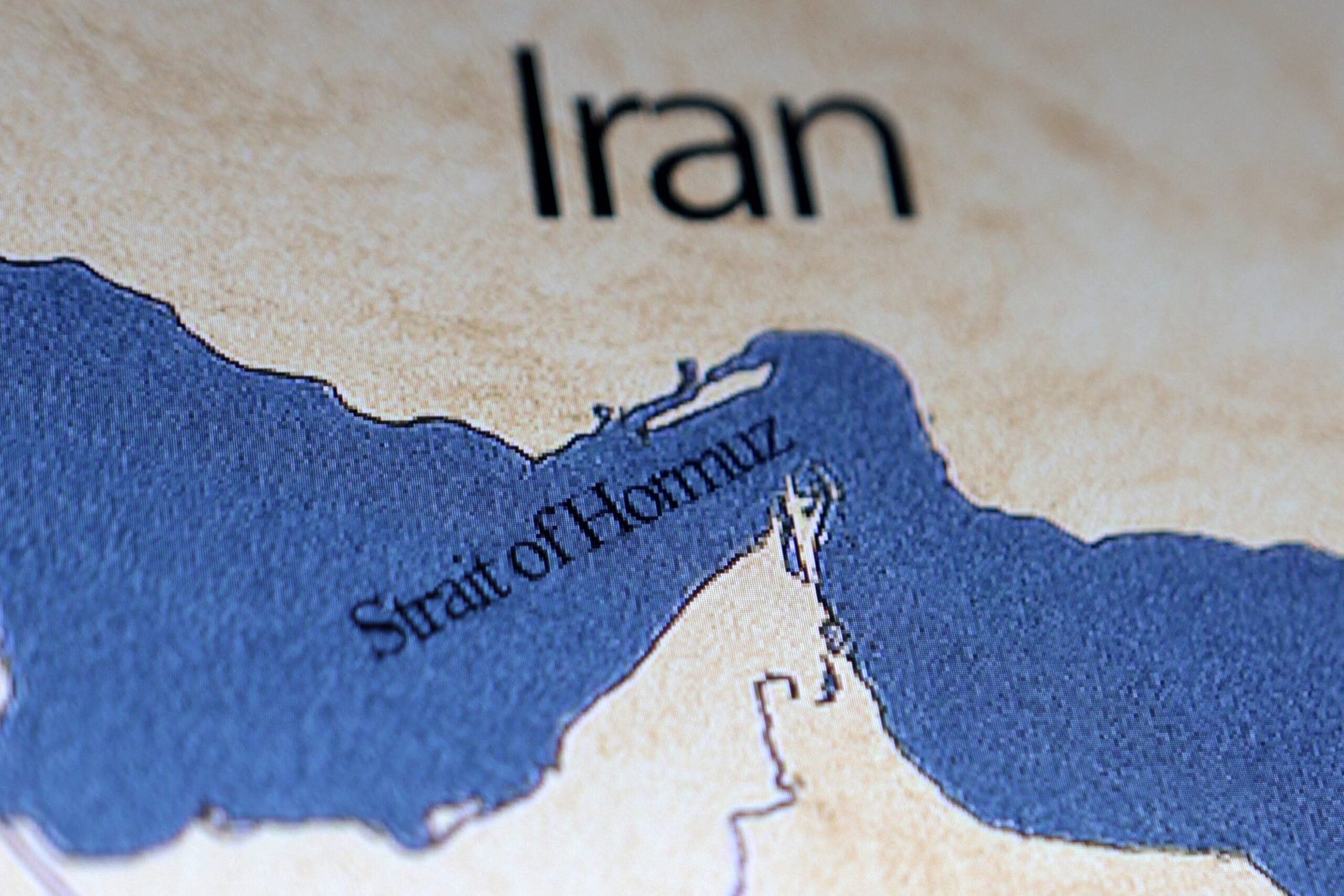
Global oil crisis triggered by the US-Iran conflict is not a distant geopolitical event for Nigerians, it is arriving at petrol stations, on airline ticket prices, in transport fares, and in the rising cost of food and electricity generation. Brent crude closed above $101 per barrel on Friday, May 9, 2026, after weeks of violent price swings driven by ongoing military exchanges in the Strait of Hormuz, the narrow waterway through which roughly 27 percent of the world’s seaborne crude oil passes daily. For Africa’s most populous country, which imports refined petroleum products despite possessing vast crude reserves, this crisis has immediate, painful, and daily consequences.
The crisis began when the United States and Israel launched coordinated airstrikes on Iran on February 28, 2026, under Operation Epic Fury. Iran’s response included closing the Strait of Hormuz, attacking commercial vessels, and launching repeated missile and drone strikes on Gulf Arab states. This week brought fresh escalation. Iran fired ballistic missiles and drones at the United Arab Emirates on Friday, while US Navy forces fired on two Iranian oil tankers attempting to evade the American naval blockade. Three US destroyers earlier in the week survived Iranian missile and drone attacks without damage. President Trump insisted a ceasefire framework remains in effect. Markets and military commanders on the ground appear unconvinced.
For Nigerian aviation, the impact is already forcing operational decisions. Rano Air announced the suspension of flight routes this week, citing a 300 percent increase in fuel costs, a jaw-dropping escalation that illustrates how quickly an energy shock translates into commercial disruption. The Nigeria Meteorological Agency and the National Emergency Management Agency formed a joint committee this week, in part to address climate and emergency preparedness concerns that intersect with energy supply vulnerability. Electricity distribution companies announced power outages affecting multiple communities starting May 9, a grim reminder that Nigeria’s power sector depends heavily on gas supplies whose cost is tied to global energy markets.
The fertilizer crisis embedded within the Strait disruption adds an agricultural dimension that Nigerians must track closely. The Strait carries a significant portion of global fertilizer supply. Analysts at multiple institutions warn that global fertilizer prices could average 15 to 20 percent higher in the first half of 2026 if the blockade continues. Nigeria, which is pushing agricultural productivity as a pillar of food security under Tinubu’s Renewed Hope Agenda, faces a direct contradiction: the global conditions most hostile to affordable fertilizer are occurring precisely when Nigeria most needs cheap inputs to feed its population.
Iran is reviewing a US peace proposal, and the market holds on to that hope. Secretary of State Marco Rubio said Washington expects a formal Iranian response. US-flagged merchant vessels have begun limited transits under a Navy escort program called “Project Freedom,” but major shipping companies refuse to commit full operations to the route until Iran guarantees safe passage. Up to 20,000 seafarers remain stranded on approximately 2,000 vessels in the Strait region, human beings caught inside a geopolitical standoff that none of them created.
Nigeria must prepare for the reality that this crisis could extend well into the second half of 2026. Government and private sector actors need contingency planning for sustained high energy costs, supply chain disruption, and increased food price pressure. The Strait of Hormuz is 7,000 kilometers from Lagos. Its crisis is not.
Today’s Key Highlights:
- Brent crude settles above $101 per barrel on Friday as US and Iran exchange fire in the Strait of Hormuz
- Iran fires ballistic missiles and drones at the UAE; US Navy strikes two Iranian tankers evading the blockade
- Nigerian airline Rano Air suspends routes citing a 300 percent spike in operational fuel costs
- Fertilizer prices projected 15 to 20 percent higher in H1 2026 as Strait blockade disrupts supply chains
- Up to 20,000 seafarers stranded on 2,000 vessels in the Strait as shipping companies refuse transit