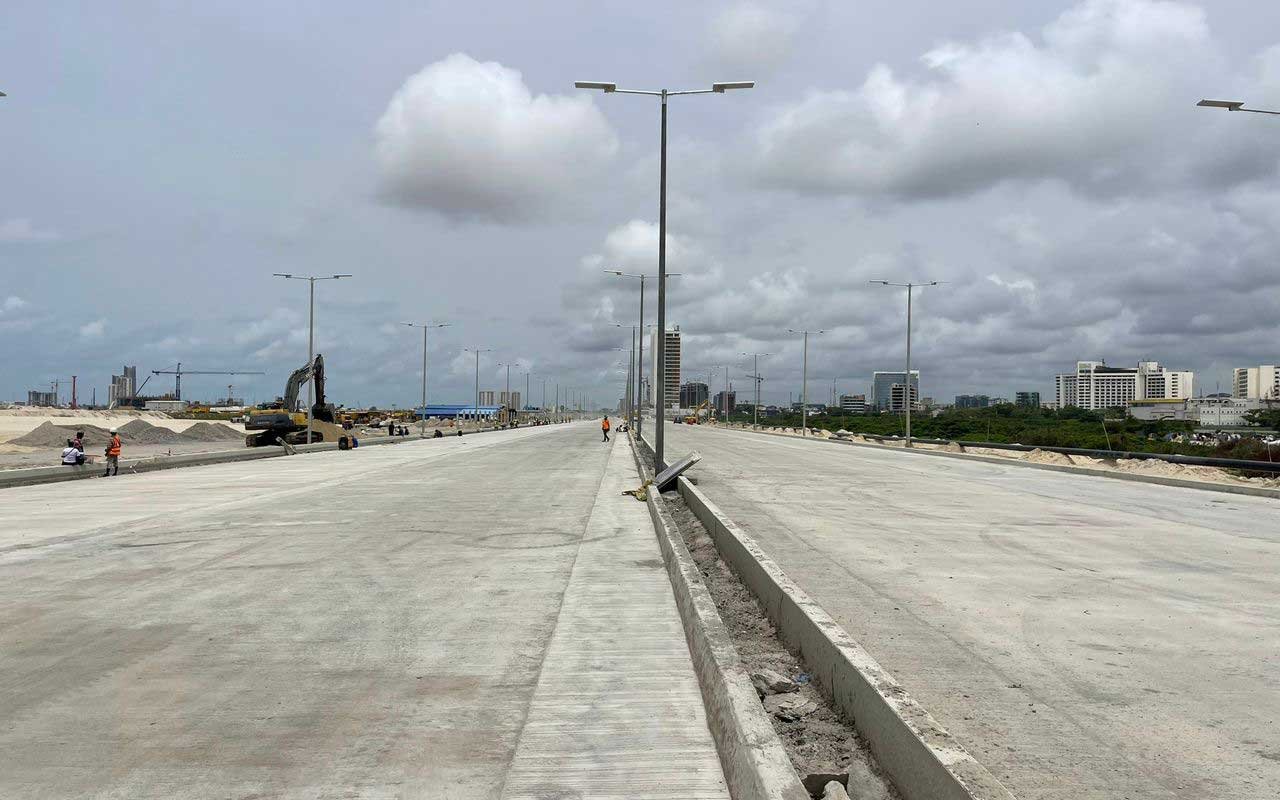
The submission of Nigeria’s 2025 federal government budget has sparked growing concerns due to key omissions and lack of transparency. One notable absence is the Lagos-Calabar Coastal Road project, a major infrastructure initiative aimed at boosting economic connectivity and growth. This omission has raised eyebrows, especially since Landmark Resort was demolished for the project. Many are questioning why the project did not make it into the budget.
The budget also lacks detailed allocations for several Ministries, Departments, and Agencies (MDAs). For instance, the National Judicial Council (NJC) has a proposed allocation of N341.63 billion, and TETFUND is set to receive N940.5 billion. However, the breakdowns for these and other significant institutions are missing, adding to concerns over the budget’s transparency.
Additionally, over 60 government-owned enterprises (GOEs), including the Nigeria Ports Authority, Nigeria Customs Service, and NIMASA, are absent from the budget, fueling suspicions about accountability in the budgetary process. The lack of clarity and completeness in the proposed budget has left many questioning its effectiveness.
Another point of controversy is President Bola Tinubu’s recent announcement of a lavish retirement package for military generals. This includes bulletproof SUVs, fully funded foreign medical treatment, $20,000 in estacode for medical trips, and allowances for domestic help. Critics argue that these benefits contradict Tinubu’s earlier pledge to reduce government spending. They warn that such provisions could further inflate the national budget and increase the fiscal deficit while ignoring the needs of lower-ranking military personnel, who are at greater risk and lack proper benefits.
As the National Assembly (NASS) reviews the budget, stakeholders urge lawmakers to prioritize the country’s long-term growth and stability. There is a call for revisions that will foster economic activity, improve macroeconomic stability, and promote equitable growth. The 2025 budget should address poverty, inequality, and provide support for vulnerable populations to ensure sustained development.
Stakeholders are urging lawmakers to focus on transparent governance, investing in essential infrastructure, and creating a budget that benefits ordinary Nigerians. The hope is that the final approved budget will be a step towards a prosperous future, one that reflects sustainable economic growth, social equity, and inclusiveness.