

For many Nigerians, the dream of a better life abroad is more than just wishful thinking, it is a necessity driven by economic hardship, limited career prospects, and an unrelenting desire to create a future filled with stability and opportunities. The United States, long seen as the land of opportunity, offers multiple pathways to legal residency. However, while most people focus on student visas or high-skilled work permits, an overlooked but highly viable option exists for those without a university degree or specialized skills the EB-3 Unskilled Other Workers Visa.
This employment-based immigration route provides an opportunity for foreign nationals to obtain permanent residency in the United States through unskilled labor. Unlike temporary work visas, the EB-3 Unskilled category grants a green card, allowing individuals to live and work in the US permanently. For Nigerians who have struggled with unemployment or low wages despite their skills, this visa represents a real chance to secure a better future for themselves and their families.
Understanding the EB-3 Unskilled Other Workers Visa
The United States immigration system is complex, with visas categorized into two broad types: immigrant visas, which lead to permanent residency (green cards), and non-immigrant visas, which allow temporary stays for education, work, or tourism. The EB-3 visa falls under the employment-based immigrant visa category, meaning it provides a direct path to a green card.
The EB-3 visa is divided into three subcategories: skilled workers (for jobs requiring at least two years of training), professionals (for individuals with a bachelor’s degree), and unskilled workers (for jobs requiring less than two years of experience). The last category, known as the EB-3 Unskilled Other Workers Visa, is the primary focus for many Nigerians seeking a way to legally relocate to the United States without needing advanced qualifications.
This visa is designed for foreign nationals willing to take on jobs in industries facing significant labor shortages. These roles are often in fields such as construction, caregiving, agriculture, hospitality, and factory work sectors that require physical labor but little formal education.
Who Can Apply and What Are the Requirements?
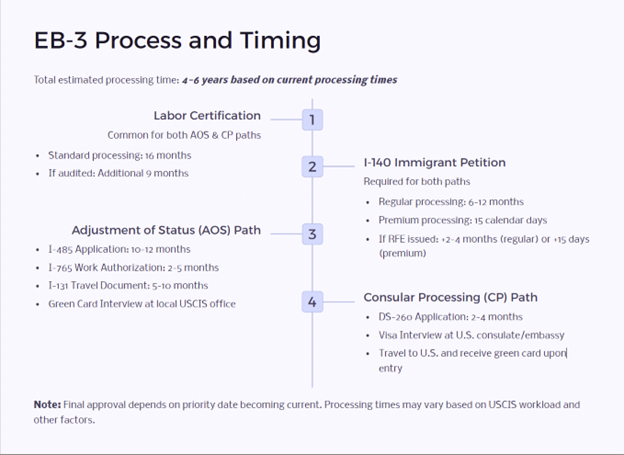
The most critical requirement for this visa is securing a job offer from a US-based employer who is willing to sponsor the applicant. This is not just any job offer, the employer must first prove to the US government that they are unable to find American workers to fill the position. This labor certification process, known as the PERM process, can take several months and is a crucial step in the application.
Applicants do not need a university degree, professional certifications, or prior experience in highly technical fields. However, they must be physically capable of performing the job and willing to relocate for long-term employment. Some of the jobs in demand under this category include farmworkers, warehouse laborers, hotel staff, janitors, and nursing home assistants.
Once an employer has successfully obtained labor certification and filed an immigrant visa petition (Form I-140) on behalf of the applicant, the process moves forward. The applicant then undergoes background checks, medical examinations, and an interview at the US Embassy before being granted a visa.
Challenges and Wait Times
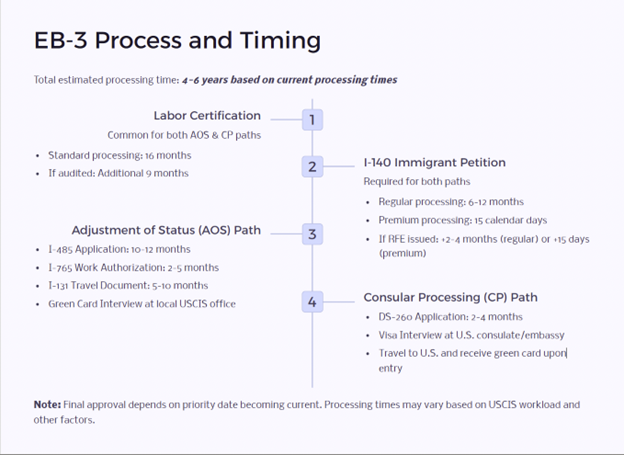
One of the biggest challenges with the EB-3 Unskilled Workers visa is the waiting period. Due to high demand and the limited number of green cards available each year, applicants from certain countries face a backlog that can stretch for years. On average, it takes between four to six years to complete the process from the time the labor certification is filed to when the visa is issued.
Another hurdle is finding a legitimate employer willing to go through the lengthy and costly sponsorship process. Many employers prefer hiring US citizens or individuals with immediate work authorization, making it difficult for foreign applicants to secure sponsorship. However, recruitment agencies and immigration specialists often assist in connecting foreign workers with eligible employers.
Why This Visa Matters for Nigerians
For many Nigerians, this visa presents an opportunity that is often overshadowed by more traditional routes such as student visas, diversity lottery visas, or family-sponsored immigration. Given Nigeria’s economic challenges, including high unemployment rates and currency instability, securing a green card through employment can be life-changing.
Many applicants use this visa as a stepping stone toward a more stable and prosperous future. Once in the US, they can gain work experience, access better healthcare and education, and even apply for citizenship after five years of residency. The long wait time is a significant drawback, but for those with patience and determination, the benefits outweigh the challenges.
Alternative Pathways to Consider
While the EB-3 Unskilled Visa is a viable option, it is not the only pathway to US residency. Nigerians looking for faster routes may consider:
- Student Visas (F-1): Studying in the US can provide opportunities for work authorization and eventual employer sponsorship for a green card.
- Diversity Visa Lottery: This program randomly selects applicants from eligible countries, including Nigeria, for green card processing.
- Skilled Worker Visas (EB-3 Skilled, H-1B): Those with specialized skills or degrees may qualify for faster employment-based visas.
- Family Sponsorship: Immediate family members of US citizens can apply for family-based green cards with shorter processing times.
Final Thoughts
The EB-3 Unskilled Other Workers Visa is an underutilized but highly valuable opportunity for Nigerians seeking a permanent and legal pathway to the United States. While it requires patience, securing sponsorship from a US employer can open doors to a lifetime of possibilities. For many, it is a ticket to not only escape economic hardship but to build a legacy of stability, security, and success for future generations.
If you are considering this visa or exploring other immigration opportunities, staying informed is crucial.
Stay informed with the latest news from Nigeria and beyond! Join us on WhatsApp or Telegram for real-time updates. Have a report or article? Send it to report@trendingnaijanews.com. Follow us on X (Twitter), Instagram, LinkedIn, YouTube, TikTok, and Facebook for more updates!