
The Federal Government has released a proposed Nigeria Economic Policy Framework for public consultation, seeking input from citizens, businesses and other stakeholders on a long-term approach to economic management, policy consistency and investment growth.
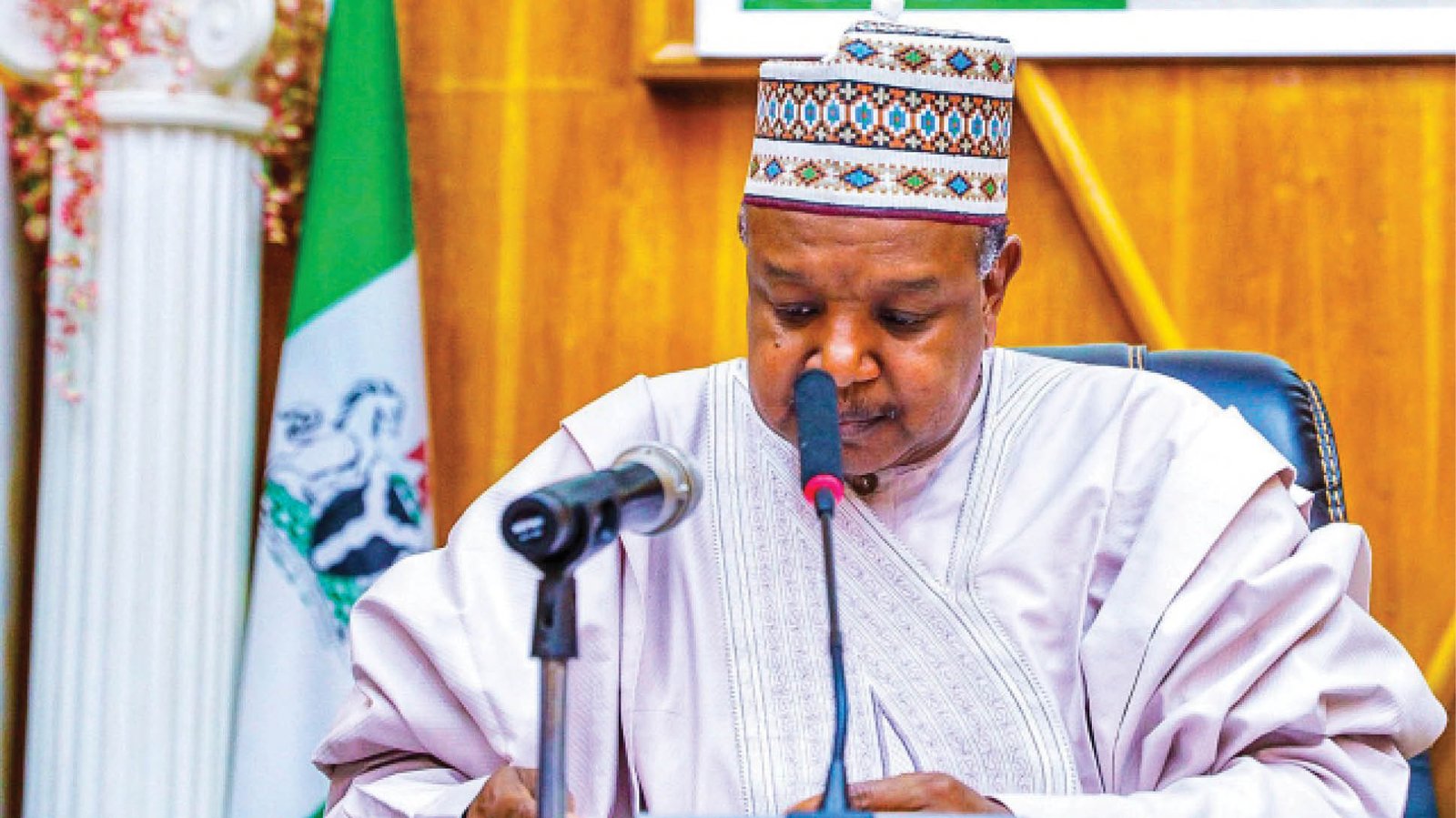
The draft framework was presented by the Minister of Finance and Coordinating Minister of the Economy, Taiwo Oyedele, at the 32nd Nigerian Economic Summit in Abuja on October 26, 2026. It is intended to establish enduring principles for economic policymaking across successive administrations, rather than serve as a temporary government programme or a list of development projects.
According to the Federal Ministry of Finance, the document is designed to encourage a broad national consensus on how economic decisions should be made, implemented and evaluated. The government is seeking public feedback before the proposal advances through the relevant approval and endorsement processes.
The consultation document was published on the ministry’s official website on October 24, 2026. The consultation period is scheduled to run until November 27, 2026, giving Nigerians an opportunity to examine the proposals and contribute recommendations.
The initiative comes amid continuing efforts to improve Nigeria’s economic performance, strengthen investor confidence and ensure that reforms translate into measurable improvements in household welfare and business productivity.
Why the Federal Government Wants a Long-Term Economic Policy Framework
One of the central arguments behind the proposal is that Nigeria’s economic challenges cannot be addressed through individual policies alone. The government is seeking a more consistent system for making decisions on taxation, trade, public spending, industrial development and other areas that influence economic activity.
Frequent changes in policy direction can create uncertainty for businesses planning investments, expanding production or hiring workers. When companies cannot reliably anticipate the regulatory environment, they may delay projects, increase the cost of doing business or redirect capital towards markets they consider more predictable.
The proposed framework seeks to address this problem by establishing principles that successive administrations can use when developing economic policies.
Oyedele has argued that inconsistent policymaking, insufficient consultation and decisions not adequately supported by evidence have weakened business confidence and constrained investment. The framework is intended to encourage policymakers to assess the likely consequences of their decisions before introducing major interventions.
However, the proposal remains a consultation draft. It has not yet become an approved national economic policy, and its final provisions will depend on the consultation, validation and subsequent government approval processes.
The distinction is important because the publication of a proposed framework does not automatically change existing laws, regulations or government programmes.
Seven Areas at the Centre of the Proposed Framework
The draft organises its approach around seven interconnected areas: stability, productivity, enterprise, capital, people, markets and institutions.
Stability concerns the need for a predictable economic environment in which households and businesses can make decisions with greater confidence. This includes responsible macroeconomic management and clearer expectations about the direction of public policy.
Productivity focuses on improving the efficiency with which workers, businesses and public institutions use available resources. Higher productivity can support stronger output, better wages and improved competitiveness, provided the benefits are reflected in employment opportunities and living standards.
Enterprise recognises the role of private businesses in generating economic activity, creating jobs and developing new products and services. Under the proposed approach, government would support enterprise by providing public goods, maintaining the rule of law and addressing market failures.
Capital addresses the importance of mobilising and allocating financial resources for productive investment. Businesses require access to financing to expand operations, acquire equipment, develop infrastructure and improve their capacity to compete.
People remain central to the framework because economic performance ultimately affects households. Education, healthcare, skills development and access to productive employment influence whether economic growth can produce broad-based improvements in living standards.
Markets are expected to operate under rules that promote competition while allowing domestic industries to develop their capabilities. The framework’s approach suggests that protection for local producers should support competitiveness rather than become a permanent substitute for efficiency.
Institutions provide the structures needed to implement policies consistently, coordinate decisions across government and measure results. Without effective institutions, even well-designed economic proposals may struggle to deliver their intended outcomes.
The seven areas are intended to function together. Improvements in financing, for example, may have limited effects if businesses face unreliable infrastructure, unpredictable regulation or weak enforcement of commercial agreements.
Proposed Impact Assessments Before Major Economic Decisions
A significant element of the draft is the proposal for mandatory Policy Impact Assessments before major economic interventions.
Under the proposed approach, policymakers would be expected to explain the problem a measure is intended to solve, identify the evidence supporting it, determine who is likely to benefit and establish who will bear the costs.
The assessment would also consider how long an intervention should remain in place and the conditions under which it should be withdrawn or adjusted.
This approach could improve transparency by requiring government institutions to explain the reasoning behind major decisions rather than relying solely on announcements of policy objectives.
For businesses, a more systematic assessment process could make it easier to understand the likely effects of changes to taxes, tariffs, subsidies and regulations. It could also give affected industries an opportunity to identify unintended consequences before a measure is implemented.
For households, the potential benefit lies in a clearer examination of how economic interventions affect prices, employment, purchasing power and access to essential goods and services.
Nevertheless, the effectiveness of such assessments would depend on their quality, the availability of reliable data and whether government institutions follow the findings when making final decisions.
A requirement to produce an assessment would not, by itself, guarantee a successful policy. The process would need credible analysis, public scrutiny and mechanisms for reviewing results after implementation.
Government Plans an Annual National Economic Scorecard
The proposed framework also places emphasis on measuring economic performance through indicators that reflect the experiences of ordinary Nigerians.
Rather than relying exclusively on headline economic growth figures, the government wants to track outcomes such as real wages, productive employment and poverty reduction through an annual National Economic Scorecard.
The scorecard is intended to provide a clearer picture of whether economic policies are improving living standards and expanding opportunities for citizens. The proposal envisages publication on or before October 1 each year.
Gross domestic product remains an important measure of economic activity, but it does not show how evenly the benefits of growth are distributed. An economy can expand while many households continue to struggle with rising living costs, limited employment opportunities or weak purchasing power.
Tracking real wages alongside employment and poverty indicators could therefore provide a more practical assessment of economic progress.
For example, an increase in nominal earnings does not necessarily improve a household’s financial position if the cost of food, transportation, housing and other essentials rises faster. Similarly, a reduction in the unemployment rate may not fully capture the quality, security or productivity of available jobs.
The proposed scorecard could help address these gaps by placing greater emphasis on outcomes that affect people’s daily lives.
Its usefulness, however, will depend on transparent methodology, consistent reporting and access to credible data. The government would also need to explain how it intends to respond when the indicators show that particular policies are failing to achieve their objectives.
What the Framework Could Mean for Businesses and Investors
Policy predictability is a major consideration for investors deciding whether to commit capital to Nigeria.
Businesses typically evaluate several factors before undertaking major investments, including financing costs, foreign exchange conditions, taxation, infrastructure, market demand and regulatory stability. Uncertainty in any of these areas can affect project costs and expected returns.
A framework that encourages consistent decision-making could help businesses plan over longer periods. Manufacturers, for instance, may be more willing to invest in production capacity when they have greater clarity about trade rules, access to imported inputs and the treatment of domestic industries.
Small and medium-sized enterprises could also benefit from a more predictable regulatory environment. Such businesses often have fewer financial resources than large corporations and may find it difficult to absorb sudden changes in compliance requirements or operating costs.
For international investors, the credibility of the framework will matter as much as its stated objectives. Investors are likely to assess whether the principles are reflected in actual government decisions, whether institutions apply them consistently and whether the framework survives political transitions.
The proposal should therefore be viewed as an attempt to establish a more durable foundation for economic decision-making, rather than as an immediate guarantee of higher investment or faster growth.
Nigeria’s ability to attract productive capital will continue to depend on broader economic conditions, including infrastructure quality, access to finance, security, the legal environment and the ability of businesses to earn sustainable returns.
Readers seeking additional coverage of economic policy, business developments and investment conditions can also follow BusinessTech Nigeria.
Trade Policy and the Development of Local Industries
The draft also addresses the relationship between trade policy and domestic industrial development.
Tariffs can provide temporary support to local producers by making competing imports more expensive. However, protection can also raise input costs for manufacturers that depend on imported machinery, components or raw materials.
The government’s proposed approach is that trade measures should help domestic industries become more productive and competitive, rather than sheltering inefficient businesses indefinitely.
This distinction is important for an economy seeking to expand manufacturing, increase exports and create productive employment.
A tariff that supports a developing industry may be useful if it creates room for investment, skills development and improvements in production efficiency. Its long-term value becomes less clear if businesses remain dependent on protection without improving quality, reducing costs or developing export capacity.
Policymakers must also consider the consequences for consumers. Higher import costs can affect retail prices, while restrictions on essential production inputs can increase costs for local manufacturers.
The challenge is to balance industrial development with competition, affordability and access to the goods businesses need to operate.
The proposed framework’s emphasis on open but fair markets suggests that future trade decisions should be evaluated against these competing objectives. The practical impact will depend on how the government defines fair competition and applies the principles to specific industries.
Coordination Between Government Institutions
Economic policy does not operate in isolation. Decisions by different ministries, regulators and public institutions can affect the same businesses and households, sometimes in conflicting ways.
For example, a measure intended to increase government revenue could raise costs for businesses, while a separate programme intended to promote manufacturing might seek to reduce those same costs. Without coordination, the combined effect of individual decisions could undermine the government’s broader objectives.
The proposed framework seeks to encourage greater alignment across institutions so that economic decisions are assessed in relation to their wider consequences.
Coordination will be particularly relevant to fiscal policy, trade, industrial development and the broader management of economic stability. It could also improve accountability by making it easier to identify which institutions are responsible for particular decisions and outcomes.
However, coordination must not eliminate the distinct legal responsibilities of public institutions. Effective cooperation requires clear mandates, reliable information sharing and accountability for implementation.
The framework’s success will depend on whether these principles can be translated into routine administrative practices rather than remaining general statements of intent.
Public Consultation and the Next Steps
The Federal Ministry of Finance has invited Nigerians to review the proposed framework and respond to 17 core consultation questions.
The consultation is intended to give businesses, professional associations, academics, civil society organisations and individual citizens an opportunity to contribute evidence and recommendations.
Interested stakeholders can access the Nigeria Economic Policy Framework consultation document through the ministry’s official website.
The consultation is scheduled to close on November 27, 2026. Following the consultation and validation process, the framework is expected to proceed to the Federal Executive Council for approval and the National Economic Council for endorsement.
The government has also raised the possibility of giving aspects of the framework a legal foundation. However, the proposal has not yet become law, and any future legislative measures would require the appropriate legal and institutional processes.
Public participation will be particularly important in areas where policy decisions involve difficult trade-offs. Taxation, subsidies, tariffs and public spending can produce different effects across income groups, industries and regions.
Stakeholders can make useful contributions by identifying practical implementation challenges, presenting evidence of how existing policies affect their operations and suggesting measurable ways to improve proposed interventions.
The consultation’s value will ultimately depend on how the government evaluates the submissions and incorporates relevant recommendations into the final document.
What Nigerians Should Watch For
The proposed framework introduces an important question about how Nigeria should manage economic policy over the long term: how can the country maintain consistency without preventing future governments from responding to changing economic conditions?
A durable policy framework could reduce arbitrary reversals and provide clearer expectations for investors. However, economic circumstances change, and governments sometimes need to adjust policies in response to unexpected shocks, new evidence or changing public needs.
The challenge is to establish a system that supports continuity while allowing justified adjustments through transparent and accountable procedures.
The final framework will need to clarify how its principles relate to existing laws, budget decisions and the responsibilities of different institutions. It will also need credible monitoring arrangements so that citizens can compare stated objectives with actual results.
For households, the most important test will be whether the approach contributes to better employment opportunities, stronger purchasing power and a more affordable cost of living.
For businesses, the test will be whether regulations become more predictable, productive investment becomes easier and economic decisions are supported by consistent rules.
For government, the test will be whether the framework can guide decision-making across administrations without becoming detached from changing economic realities.
The release of the draft marks the beginning of that process, not its conclusion. Its long-term significance will depend on the quality of public participation, the strength of the institutions responsible for implementation and the willingness of successive governments to measure their performance against clear, publicly understood standards.