
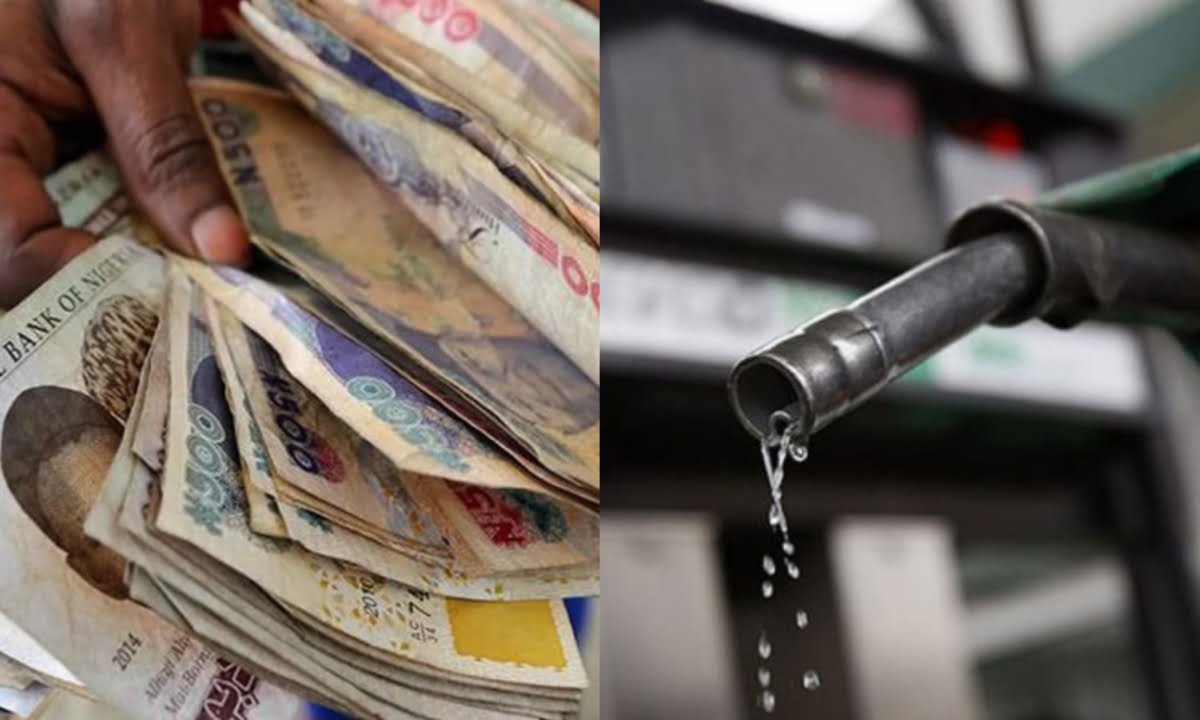
Nigerians have been drawn into a fresh debate over petrol prices, the naira and the country’s economic direction following a warning attributed to Finance Minister Taiwo Oyedele that restoring the petrol subsidy could push the exchange rate towards ₦4,000 to the dollar.
The warning has put the spotlight back on one of the most contentious economic decisions in recent Nigerian history: the removal of petrol subsidy and the question of whether bringing it back would ease the financial pressure facing households or create additional problems for the economy.
According to a newspaper roundup published by Fellow Press on Tuesday, October 20, the minister’s warning featured prominently in the day’s national headlines. The report attributed the potential exchange-rate outcome to the possible return of the subsidy.
The figure is a warning about a possible outcome, not an announcement that the naira is currently trading at ₦4,000 to the dollar.
The debate comes as Nigerians continue to contend with the cost of transportation, food, electricity and other essential expenses. Petrol prices have a broad influence on the domestic economy because transport operators, businesses and distributors often factor fuel costs into the prices they charge customers.
When petrol becomes more expensive, the effects can extend beyond the filling station. Transport fares may rise, traders may pay more to move goods, and businesses that depend on generators may face higher operating expenses.
These costs can eventually reach consumers, although the extent of the impact varies across sectors and locations.
Why the subsidy debate matters
The petrol subsidy has long been a major issue in Nigeria’s public finances. Supporters of removing it have argued that the government should redirect money spent on subsidising fuel towards infrastructure, public services and other national priorities.
Critics, however, have questioned whether the benefits promised by subsidy removal have reached ordinary Nigerians quickly enough. For households whose incomes have not kept pace with rising expenses, cheaper petrol remains an appealing prospect.
Restoring the subsidy could reduce the amount some consumers pay at the pump, depending on how the policy is designed and implemented. However, it would also require the government to finance the difference between the regulated price and the underlying cost of supplying petrol.
The size of that financial commitment would depend on several factors, including fuel consumption, import or supply costs, the exchange rate and the duration of the intervention.
Could the naira really fall to ₦4,000 per dollar?
The warning attributed to Oyedele raises a serious question about the relationship between government spending and foreign-exchange stability.
Nigeria relies on foreign exchange to pay for a range of imported goods and services. If a policy increases demand for foreign currency or puts additional pressure on public finances, it could complicate efforts to maintain exchange-rate stability.
However, the exchange rate is influenced by several factors, including foreign-exchange supply, oil earnings, investor confidence, monetary policy, import demand and the broader fiscal position of the government.
It would therefore be premature to conclude that restoring the subsidy would automatically push the naira to ₦4,000 per dollar. The figure should be understood as a reported warning about a possible economic consequence, rather than a guaranteed outcome.
A proper assessment would require the assumptions behind the minister’s statement, together with current foreign-exchange data and the estimated cost of any proposed subsidy arrangement.
What Nigerians should watch next
The immediate question is whether the Federal Government will maintain its current policy or consider a new intervention aimed at reducing pressure on households.
Any proposal to restore the subsidy would need to address how it would be funded, how long it would last and whether the benefits would reach consumers rather than being absorbed elsewhere in the supply chain.
The government would also need to explain how such spending would affect other budget priorities and its plans for exchange-rate stability.
For Nigerian households, the debate is not simply about government revenue or the naira. It is about whether the cost of getting to work, transporting goods, running businesses and feeding families can become more manageable.
For now, the reported warning has renewed attention on the economic trade-offs involved in petrol pricing. Nigerians should distinguish the minister’s reported scenario from the actual exchange rate and any confirmed government decision.