

Naira Holds at N1,374 Per Dollar as CBN Reserves Hit $46.7bn But Global Oil Crisis and Hormuz Shutdown Threaten Nigeria’s Forex Stability
Published: Tuesday, May 5, 2026 | Breaking News
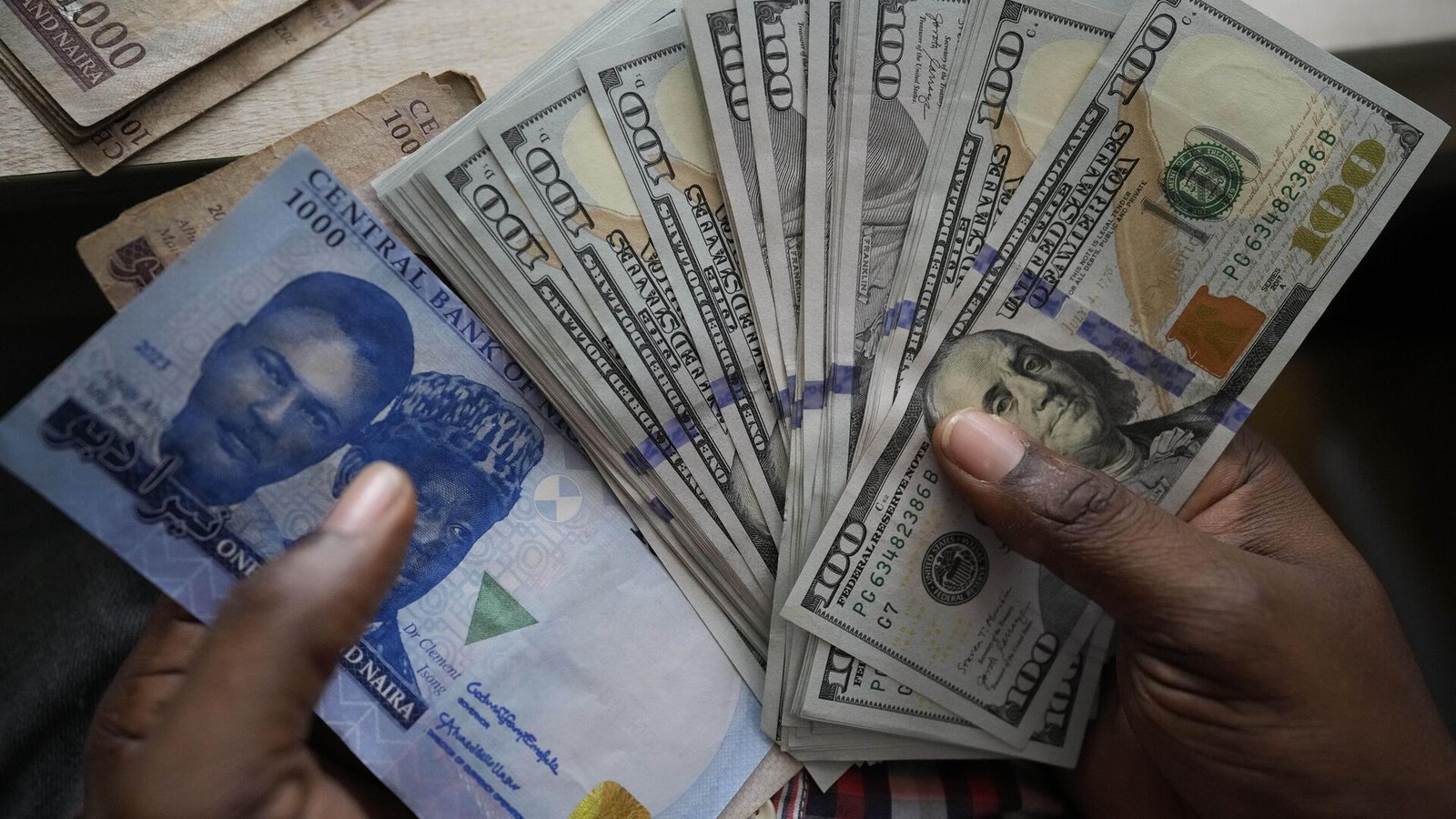
Nigeria’s naira held relatively steady on Tuesday, May 5, 2026, trading at approximately N1,374 per dollar in the official Nigerian Foreign Exchange Market window, with the Central Bank of Nigeria reporting that the country’s foreign reserves have climbed to $46.7 billion, a figure that forex analysts say provides a meaningful buffer against external shocks but may not be sufficient to absorb what is coming if the global energy crisis triggered by the Strait of Hormuz shutdown deepens further.e portal showed Tuesday’s NFEM rate hovering in a band between N1,362 and N1,378 per dollar, with market rates remaining relatively stable compared to the extreme volatility of late 2024 and early 2025. In the parallel market, Bureau De Change operators in Lagos and Abuja quoted buying rates around N1,393 per dollar, a narrower premium over the official rate than Nigerians endured during the worst episodes of forex scarcity in recent years. The shrinking gap between official and black market rates is one of the CBN‘s most visible policy successes under Governor Olayemi Cardoso.
Data from the CBN’s exchange rate The CBN’s recent interest rate cut, designed to stimulate the economy and ease the borrowing costs that have suppressed consumer spending and business investment, underpins the relative naira stability. Improved dollar liquidity in the official forex window, driven partly by higher oil prices that have dramatically boosted Nigeria’s export revenue since the Strait of Hormuz crisis sent Brent crude above $113 per barrel, has given the CBN room to supply the market without draining reserves at the pace seen during earlier periods of naira weakness.
Here is the paradox Nigeria now faces: the same Strait of Hormuz energy crisis that is hammering the global economy is, in the short term, a revenue windfall for Africa’s largest oil producer. Every dollar increase in Brent crude prices adds directly to NNPC’s export earnings and the government’s fiscal receipts. At $113 per barrel, Nigeria earns substantially more per barrel than it budgeted for when the 2026 fiscal framework was drawn up. That excess revenue is building reserves and supporting the naira.
But the same crisis carries serious downside risks that will hit Nigerians hard through a different channel. Nigeria imports the vast majority of its refined petroleum products because domestic refinery capacity, though improving with the Dangote refinery now partially operational and the NNPC’s new Chinese partnership for Warri and Port Harcourt, still falls far short of national consumption needs. As global oil and refined product prices surge, Nigeria’s import bill for petrol, diesel, kerosene, and aviation fuel rises in tandem, creating inflationary pressure at the pump and across the logistics chains that move food and manufactured goods across the country’s vast geography.
The NUPRC also confirmed this week that Nigeria has introduced a new long-term national energy plan aimed at driving economic growth, expanding energy access to underserved communities, and addressing climate concerns simultaneously. Commission Chief Executive Mrs. Oritsemeyiwa Eyesan said the plan represents Nigeria’s most comprehensive attempt yet to coordinate upstream production policy with downstream distribution reform and renewable energy investment. The plan acknowledges that Nigeria’s energy security cannot rest on crude oil export revenue alone while millions of citizens lack reliable electricity and pay premium prices for generator fuel.
Currency traders and business owners in Lagos noted that sentiment remains cautious despite the apparent naira stability. Demand for foreign exchange from importers, travelers, and companies remitting dividends abroad keeps underlying pressure on the official rate. Analysts told reporters that the naira’s direction this week would be heavily influenced by crude oil price movements, any developments in the US-Iran conflict that affect Hormuz traffic, and the CBN’s willingness to continue defending the current rate band through market interventions.
For ordinary Nigerians struggling with food inflation that remains above 20 percent in multiple commodity categories, the exchange rate number on a screen means less than the price of a bag of rice or a cylinder of cooking gas at the local market. Nigeria’s economic story in May 2026 is one of macro-level reserve strength coexisting with household-level pain that the current rate of growth and reform has not yet reached. The 2027 election will be decided largely by which of those two realities voters feel most powerfully when they enter the polling booth.