
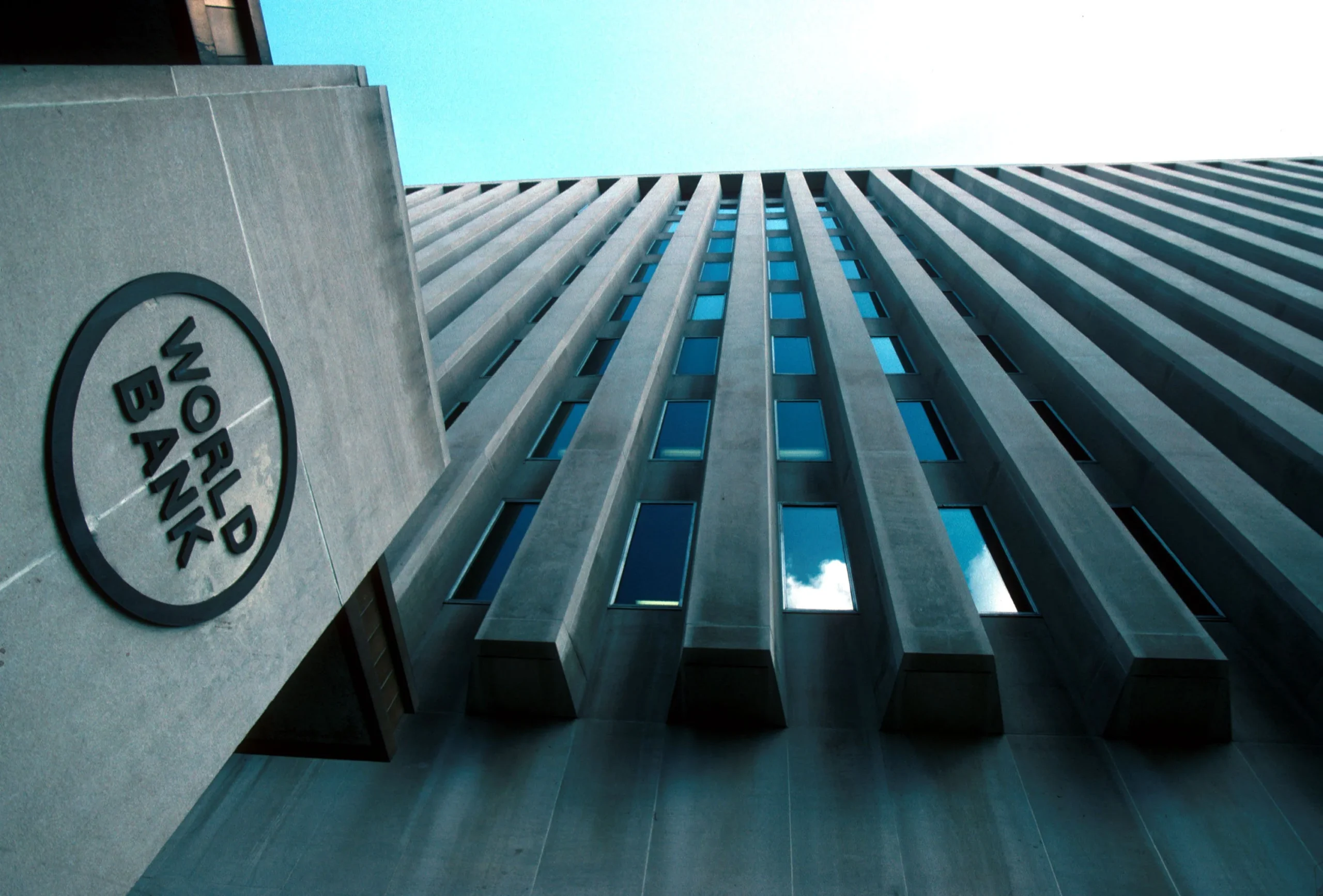
Nigeria has successfully secured a $1.5 billion loan from the World Bank to support its ambitious fuel subsidy removal and tax reforms aimed at stabilizing the economy. The loan, part of the Reforms for Economic Stabilisation to Enable Transformation Development Policy Financing initiative, is expected to play a crucial role in Nigeria’s economic transformation efforts.
This loan, which was approved in June 2024, is being disbursed in two tranches. The first tranche of $750 million was released in July 2024, while the second was disbursed in November 2024 after the Nigerian government met specific reform conditions. With this latest disbursement, Nigeria’s total loan from the World Bank has reached approximately $1.88 billion.
The structure of the loan is designed to support long-term economic stability. The first tranche is a $750 million credit from the International Development Association (IDA), which has a 12-year maturity and a six-year grace period. The second tranche, also $750 million, is a loan from the International Bank for Reconstruction and Development (IBRD) with a 24-year repayment period and an 11-year grace period.
The disbursement comes after Nigeria’s successful implementation of several key reforms, including the removal of fuel subsidies, harmonization of exchange rates, and significant changes to its tax system. One major development in the tax reforms is the proposed tax reform bill, submitted to the National Assembly in October 2024, which seeks to simplify tax policies and overhaul the VAT regime. However, the bill has faced significant opposition, particularly from Northern Nigerian leaders.
The World Bank document highlighted the positive progress in the fuel sector, where the Nigerian government has fully deregulated the market, allowing retail fuel prices to be determined by market forces. These reforms, along with efforts to cease deficit monetization, are part of Nigeria’s broader strategy to ensure fiscal sustainability.
However, the twin policies of fuel subsidy removal and exchange rate unification have sparked mixed reactions. While the government has implemented palliative measures, such as disbursing N25,000 to some households, the high cost of living remains a pressing concern. Fuel prices have surged fivefold, and the unification of the exchange rate has led to significant inflationary pressures. With food inflation at a staggering 39.93% and overall headline inflation at 34.60%, many Nigerians are feeling the strain. Additionally, the Compressed Natural Gas Initiative, which was intended to provide an affordable fuel alternative, has not yet been fully implemented.
Despite the challenges, the government remains committed to its reform agenda, with the World Bank’s backing playing a critical role in Nigeria’s ongoing economic transformation.