

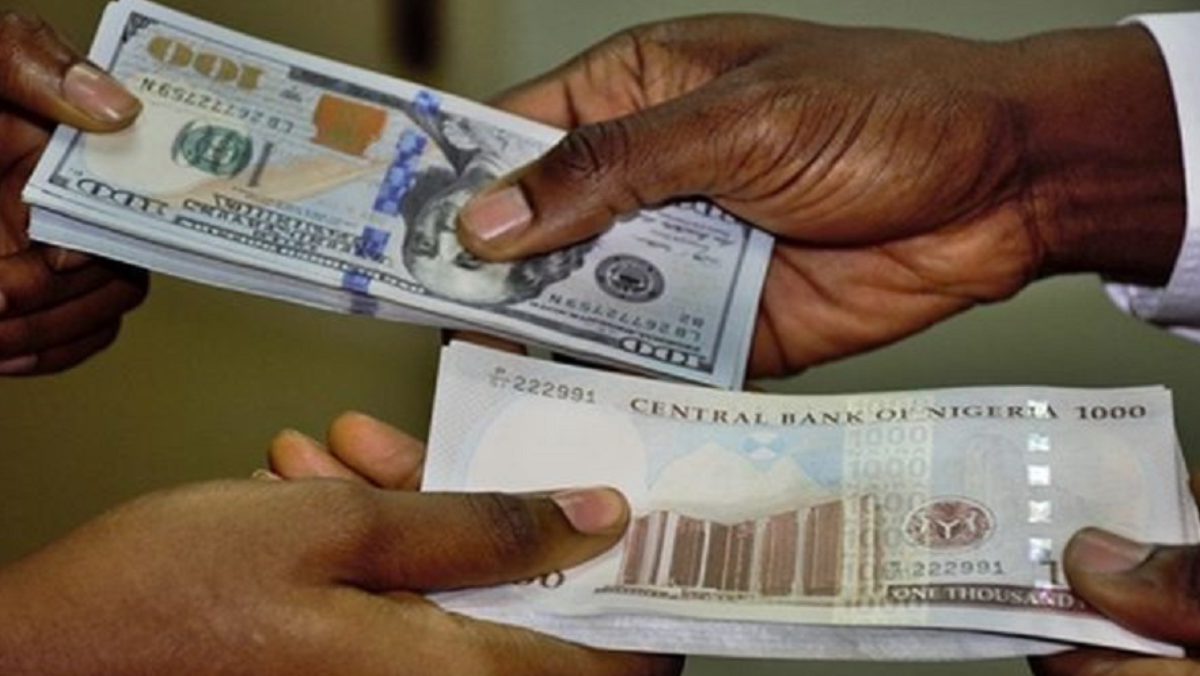
The Nigerian Naira experienced mixed movements on Monday, appreciating slightly in the parallel market to N1,660 per dollar while depreciating in the official market to N1,550 per dollar. The contrasting trends highlight ongoing volatility in Nigeria’s foreign exchange market amid efforts to stabilize the currency.
Parallel Market Gains: Naira Strengthens Slightly
In the parallel market, often referred to as the black market, the Naira appreciated to N1,660/$, marking a slight improvement from the N1,662/$ recorded over the weekend. This minor appreciation reflects a marginal easing of demand pressures on the dollar in the informal market, where businesses and individuals frequently source foreign exchange.
Official Market Movement: Naira Depreciates
In contrast, the official exchange rate published by the Central Bank of Nigeria (CBN) revealed a depreciation of the Naira. According to the daily Nigerian Foreign Exchange Market (NFEM) report:
- The official exchange rate dropped to N1,550/$, a decline of N10 from N1,540/$ recorded last week.
- Data from FMDQ, which tracks trading activities on the Nigerian Autonomous Foreign Exchange Market (NAFEM), further confirmed the depreciation, as the indicative exchange rate weakened to N1,545.1/$ from N1,533/$ recorded on Friday.
This development highlights ongoing challenges in balancing supply and demand within the official market, which is influenced by factors such as oil revenue fluctuations, foreign investments, and liquidity issues.
Narrowing Gap Between Markets
Despite the opposing trends, the margin between the parallel market and the official exchange rate narrowed significantly. The spread fell to N110/$, down from N122/$ recorded last Friday. This contraction suggests some alignment in currency valuation, potentially driven by:
- Improved liquidity measures in the forex market.
- Efforts by the CBN to unify exchange rates and reduce arbitrage opportunities.
- A slight decline in speculative activities in the parallel market.
Factors Driving Exchange Rate Volatility
The fluctuation in the value of the Naira across markets is influenced by several economic factors, including:
- Demand-Supply Imbalance:
- High demand for dollars for imports, education, medical tourism, and foreign investments continues to outpace supply.
- Oil Revenue and Reserves:
- Nigeria’s forex earnings are heavily dependent on crude oil sales. Volatility in oil prices and production levels impacts dollar inflows.
- CBN Policy Interventions:
- Recent CBN reforms, such as adjustments to the official exchange rate and interventions in the forex market, have shaped the Naira’s performance.
- Inflationary Pressures:
- Rising inflation erodes the purchasing power of the Naira, further exacerbating exchange rate challenges.
- Speculative Activities:
- Traders and speculators in the parallel market often react to perceived scarcity or policy uncertainty, leading to sudden price swings.
CBN’s Efforts to Stabilize the Naira
The Central Bank of Nigeria has implemented various measures to address forex volatility and stabilize the Naira. Key initiatives include:
- Unifying Exchange Rates: Moving towards a market-driven exchange rate to eliminate disparities between official and parallel markets.
- Forex Interventions: Injecting dollars into the official market to improve liquidity and meet critical demand.
- Strengthening Reserves: Encouraging remittances, foreign investments, and boosting oil exports to shore up foreign reserves.
- Policy Adjustments: Implementing reforms to encourage confidence among foreign investors and reduce reliance on informal forex channels.
However, experts argue that more sustained reforms are needed to address structural issues affecting Nigeria’s foreign exchange market.
Economic Implications of Exchange Rate Movements
The fluctuation of the Naira has wide-reaching implications for the Nigerian economy, including:
- Cost of Living: Depreciation increases the cost of imported goods, leading to higher inflation and reduced purchasing power for consumers.
- Business Operations: Import-dependent businesses face higher input costs, squeezing profit margins and driving up prices.
- Investment Climate: Exchange rate volatility creates uncertainty for foreign investors, impacting capital inflows.
- Debt Servicing: A weaker Naira increases the cost of servicing Nigeria’s external debt, straining fiscal resources.
Conversely, a stable exchange rate would:
- Enhance investor confidence and economic predictability.
- Support local industries by reducing costs of imports.
- Boost economic growth through increased exports and foreign investments.
Outlook: What’s Next for the Naira?
Economic analysts predict that the Naira’s short-term trajectory will depend on:
- CBN’s Continued Reforms: Implementation of forex policies that boost liquidity and align rates.
- Oil Production and Prices: Higher crude oil output and favorable oil prices could improve dollar inflows.
- Foreign Investments: Positive investor sentiment and policy stability will attract much-needed capital.
- Inflation Management: Addressing inflation will strengthen confidence in the local currency.
While the narrowing gap between the parallel and official markets is a promising sign, sustained measures are required to stabilize the Naira and ensure long-term economic resilience.
Conclusion: Balancing Challenges and Opportunities
The Naira’s mixed performance—appreciating in the parallel market while weakening in the official market—reflects Nigeria’s ongoing struggle to stabilize its currency amid economic headwinds. While narrowing the exchange rate gap signals progress, the government and CBN must continue implementing bold and transparent reforms to address liquidity shortages, inflation, and external imbalances.
As Nigeria navigates these challenges, achieving exchange rate stability will be pivotal for fostering economic growth, boosting investor confidence, and improving the standard of living for citizens.