

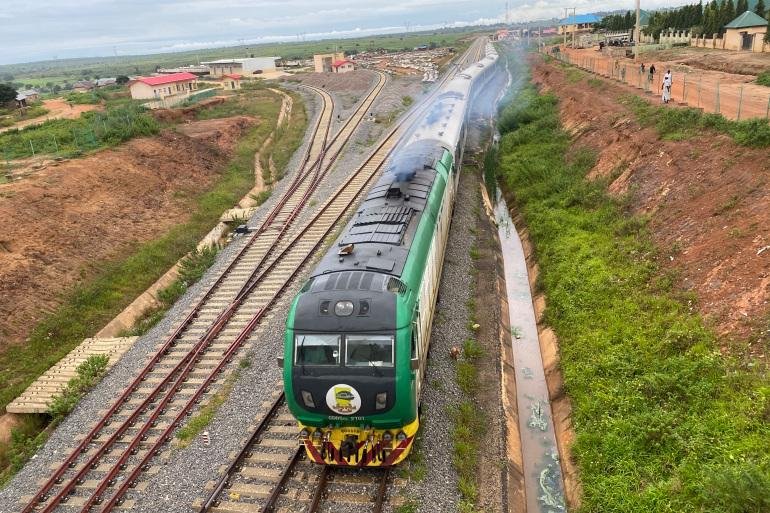
Nigeria’s railway system has suffered from years of neglect. This has cost the country revenue and limited job creation. It has also hindered the development of cities along the rail corridors. Colonial powers built key railways, but no Nigerian government has fully expanded the network.
Railways, like roads and bridges, are essential for modern transport. They move more people and goods faster than roads. Yet, both the federal and state governments have failed to invest in rail infrastructure. Many countries, like the US, China, and South Africa, have thriving railway systems. Nigeria must follow their example.
Railways boost economic growth. They help cities and regions expand. Aside from Lagos, other states show little interest in developing railways. This is a missed opportunity for increasing revenue. Nigeria’s current rail system is too small for its large population and vast landmass.
The Cape gauge system, built by Britain, is in poor condition. Maintenance has been lacking. Many vital rail links are incomplete. The Lagos-Benin-Onitsha line is missing. It would ease pressure on the road and drive economic activity. The government should treat rail development as a long-term investment, not a quick profit.
Nigeria ranks among the top eight African countries with the best rail systems. However, it still lags behind global leaders like the US, China, and Japan. These countries have advanced rail networks that Nigeria can model.
To catch up, Nigeria needs at least $66 billion in investment. The current funding is insufficient. Both the government and private sector must work together to develop a modern, efficient railway system.