

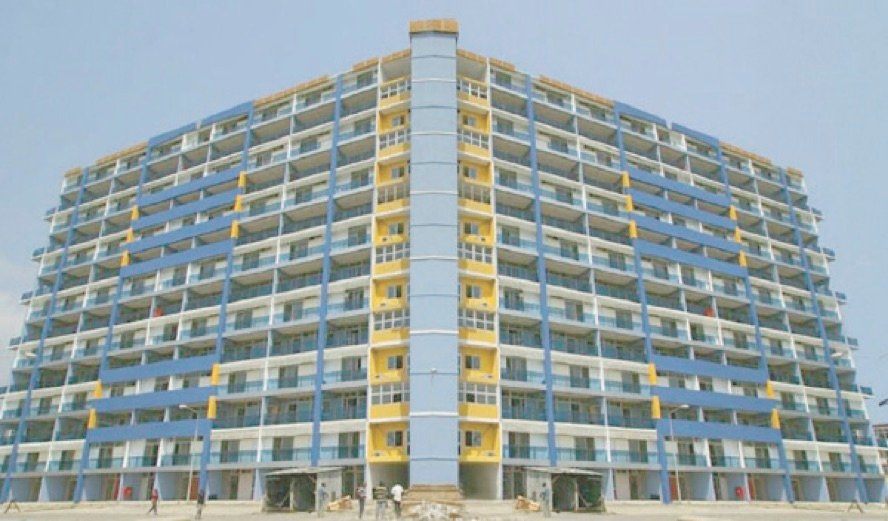
Despite ongoing government efforts, millions of Nigerians still lack access to affordable housing. Low-cost housing, introduced as a solution to Nigeria’s housing crisis, has not reached the people who need it most. Poor awareness, bureaucratic delays, and limited financing have left many Nigerians struggling to own homes. The demand for housing, especially in cities like Lagos and Abuja, far exceeds the supply.
The core issue lies in the poor implementation of housing policies. Many housing initiatives are mired in inefficiency and lack transparency. Rising construction costs further limit the affordability of subsidized homes, making it nearly impossible for low- and middle-income earners to buy homes.
Additionally, the mortgage system is out of reach for most Nigerians. High interest rates and strict lending criteria make home loans inaccessible. With limited financing options, many people are forced to rent or live in slums, adding to Nigeria’s 25 million housing deficit.
Urbanization and population growth worsen the crisis. Cities are expanding rapidly, but developers focus on high-end projects for wealthier clients. Low-cost housing projects are underfunded and underserved, leaving the most vulnerable without affordable homes.
Experts suggest a public-private partnership approach to fix the system. Simplifying access to housing finance, reducing bureaucratic hurdles, and increasing awareness of housing programs could make affordable homes more attainable. Streamlining housing policies is crucial.
Sustainable construction techniques and cost-effective building materials could also lower costs. Prefabricated homes and alternative methods might help reduce expenses, making low-cost housing more affordable.
Community involvement is another key element. When residents participate in the planning and building process, it ensures the homes meet their needs. This also fosters ownership and accountability, leading to better and more sustainable projects.
For Nigeria to address its housing crisis, it must adopt a holistic approach. This includes improving infrastructure, expanding access to basic services, and placing low-cost housing in areas with job opportunities and essential amenities.
Political will is vital for success. The government must commit to long-term policies that prioritize affordable housing. The private sector must also invest in these projects and explore creative financing options.
Nigeria’s housing problem is not just about scarcity; it’s about fairness. By improving policies and increasing investments, Nigeria can close the housing gap and provide millions of Nigerians with the homes they need. The time to act is now.