
By Elizabeth Adegbesan
Food inflation in Nigeria is on the brink of surpassing 40%, as the latest report from the National Bureau of Statistics (NBS) indicates a continued rise in consumer prices. Structural challenges in agricultural production, particularly in the northern regions, combined with increased demand during the festive season and higher transportation costs, are driving the escalation.
Rising Inflation Rates in November 2024
The NBS Consumer Price Index (CPI) for November 2024 highlights the significant rise in both headline and food inflation:
- Headline Inflation: Rose to 34.6% in November, up from 33.88% in October.
- Food Inflation: Increased to 39.93%, a 0.77% rise from October’s 39.16%.
On a year-on-year basis, the headline inflation rate was 6.4 percentage points higher than November 2023’s rate of 28.2%, reflecting the persistent upward trajectory in consumer prices.
Drivers of Food Inflation
The report attributes the rise in food inflation to price increases in key staples:
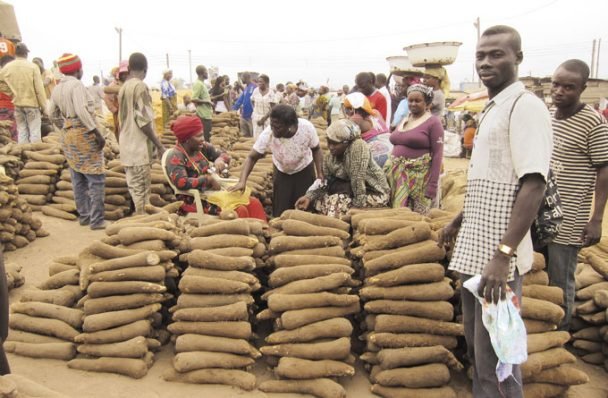
- Tubers: Yam, water yam, and coco yam.
- Cereals: Guinea corn, maize grains, and rice.
- Oils and Fats: Palm oil and vegetable oil.
- Other Items: Beer and tobacco products.
On a month-to-month basis, food inflation edged higher to 2.98% in November from 2.94% in October, indicating a steady rise in price pressures.
Economic Challenges and Expert Insights
According to Cardinalstone Limited, a Lagos-based finance and investment firm, November’s food inflation spike was expected due to:
- Security Challenges: Ongoing unrest in key agricultural regions in northern Nigeria has disrupted food production.
- Seasonal Demand: The festive season has significantly increased the demand for staple food items, compounding inflationary pressures.
- Energy Costs: Sustained high energy prices have further driven up transportation and production costs.
“In December, we anticipate continued upward pressure on the food index due to festive demand and structural constraints on food production in the north,” the firm noted in its Macroeconomic Update.
The Bigger Picture: Inflation Trends
Headline Inflation:
- November’s headline inflation was 34.6%, a 0.72 percentage point rise from October.
- On a year-on-year basis, it was 6.4 percentage points higher than November 2023.
Food Inflation:
- November food inflation stood at 39.93%, up from 39.16% in October.
- On a year-on-year basis, it was 7.08 percentage points higher than November 2023.
Projected December Inflation Rates
Experts predict further inflationary pressures in December due to:
- Festive Season Demand: Higher spending on food and transportation during the holidays.
- Supply Chain Constraints: Persistent security and infrastructure issues affecting agricultural production.
- Energy Prices: Increased transportation activities are expected to keep the core inflation index elevated.
Cardinalstone Limited estimates inflation will reach 35.09% in December, with food inflation expected to breach the 40% mark.
Impact on Nigerians
The rising inflation rates are taking a toll on the purchasing power of consumers, particularly those in low-income brackets. As prices of essential commodities soar, many Nigerians are struggling to afford basic food items and other necessities.
Recommendations for Mitigation
- Address Security Challenges: The government must prioritize stability in agricultural regions to boost food production.
- Invest in Agriculture: Strengthening mechanized farming and storage infrastructure can mitigate losses and improve food availability.
- Control Energy Costs: Policies aimed at stabilizing fuel and energy prices could help curb transportation costs.
- Monitor Festive Season Spending: Awareness campaigns on prudent spending during the holidays can help consumers navigate the inflationary pressures.
Conclusion
As Nigeria faces rising inflationary pressures, especially in the food sector, a multi-pronged approach involving improved agricultural productivity, security reforms, and energy price stabilization is essential. Without these measures, inflation will continue to erode household incomes and deepen economic challenges for millions of Nigerians.