

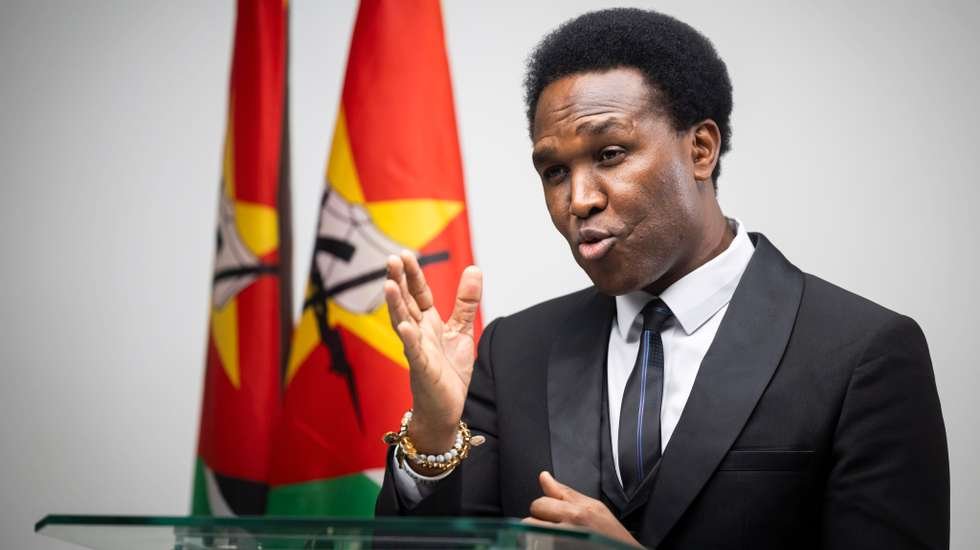
Mozambique’s political landscape has taken a dramatic turn as opposition leader Venâncio Mondlane has signaled a willingness to join President Daniel Chapo’s government, provided his conditions to resolve the ongoing post-election crisis are met. The country has been engulfed in turmoil following disputed election results, which were marred by allegations of vote-rigging and widespread unrest.
President Chapo, who represents the ruling Frelimo party, won the election with 65% of the vote but faced significant opposition from Mondlane, who secured 24%. Mondlane has vehemently rejected the results, claiming they were fraudulent, and even staged his own “people’s president” inauguration in defiance of the official outcome. The elections, held in October 2024, led to violent protests, resulting in the deaths of approximately 300 individuals, as well as the detention of thousands of protesters.
In a recent interview with the BBC, Mondlane outlined key demands for the suspension of protests during Chapo’s first 100 days in office. These include the release of approximately 5,000 individuals detained during post-election demonstrations, compensation for families of those killed in the violence, and free medical treatment for around 200 people injured in clashes with the police. Mondlane emphasized that fulfilling these demands could open the door for dialogue and potential cooperation with the government.
“We can explore cooperation if the president is genuinely interested in working together,” Mondlane stated, showing his openness to a political reconciliation despite the tense climate. The opposition leader reiterated that his participation in the government would depend on the president’s commitment to addressing these critical issues.
In his own interview, President Chapo expressed a desire to form an inclusive government, focusing on electoral reforms, human rights, and freedom of expression. “I want to form a government open to all Mozambicans,” Chapo said, highlighting that merit, competency, and patriotism would guide the selection of individuals for key government positions. When asked about the possibility of Mondlane joining his administration, Chapo responded cautiously, indicating that the suitability of any individual for government roles would be based on their profile and competencies, with a review process currently underway.
While both leaders seem open to dialogue and reconciliation, the situation remains fraught with tension. The success of these efforts will largely depend on how well the government addresses the demands for justice, inclusion, and the restoration of public trust. With Mozambique still reeling from the aftermath of the election violence, the coming months will be crucial in determining the country’s political future.
The international community will undoubtedly be watching closely as these developments unfold, hoping for a peaceful resolution to the crisis that has left deep divisions within the nation.