

The Lagos State Government is taking a firm stance against environmental pollution as it sets the stage for the full enforcement of the ban on single-use plastics (SUPs). This landmark policy, aimed at curbing plastic waste and promoting sustainable environmental practices, has reached a critical phase, with government officials and industry stakeholders working closely to ensure seamless execution. The enforcement of this ban is expected to have far-reaching impacts on businesses, manufacturers, and consumers, marking a new era in Lagos State’s environmental sustainability efforts.
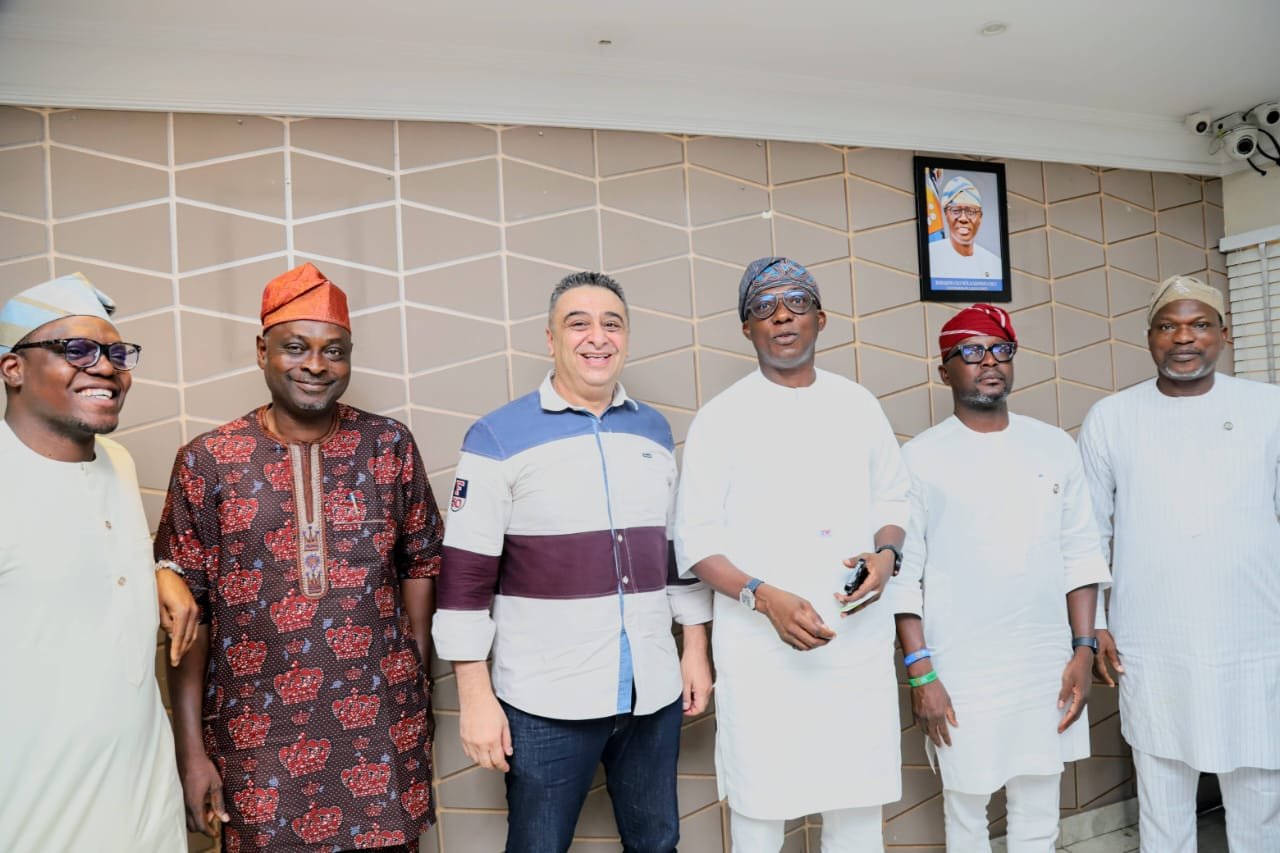
During a high-level meeting held at the Ministry of the Environment and Water Resources, Commissioner Tokunbo Wahab reaffirmed the government’s commitment to the ban, describing it as a strategic and intentional move to protect the environment and improve waste management. The meeting, which was attended by representatives of the Food and Beverages Recycling Alliance (FBRA), focused on the finalization of enforcement strategies, extended producer responsibilities, and collaborative measures between the government and the private sector. Wahab commended FBRA for its proactive efforts in waste reduction and recycling and emphasized the need for continuous engagement to ensure smooth implementation.
The journey toward banning single-use plastics in Lagos began in January 2024 when the state government enforced a ban on styrofoam products due to their significant contribution to environmental pollution. The ban on SUPs, which will be fully enforced after 12 months, is the next phase in the government’s aggressive drive toward environmental sustainability. To prepare for the transition, Wahab highlighted that monthly stakeholder engagements and widespread public advocacy campaigns will be conducted to raise awareness and ensure compliance. He noted that the enforcement of this ban will have economic and operational implications for businesses, including manufacturers and suppliers, which is why a phased and well-structured approach is necessary.
As discussions progress, one of the key concerns raised by stakeholders is the complexity of enforcing a single-use plastics ban compared to the earlier styrofoam ban. Unlike styrofoam, SUPs are more intricately embedded in various business operations, requiring a sustainable approach to replacement, recycling, and reuse. However, the state government is determined to implement the policy effectively, ensuring a balance between environmental protection and economic viability. Wahab expressed confidence that FBRA members fully support the initiative, recognizing the urgent need for action. He emphasized that the ban is not an attack on businesses but a necessary step to address the worsening plastic pollution crisis in Lagos.
In response to concerns about sachet water, the commissioner clarified that the government is not banning pure water but rather targeting single-use plastics of less than 40 microns. He reassured Lagosians that a buyback system is being developed, allowing the collection and proper recycling of sachet water plastics. The state government is also finalizing a Memorandum of Understanding (MoU) with Lafarge, a major cement manufacturer, to repurpose used sachet water plastics into sustainable materials. These efforts align with Lagos’ broader goal of transitioning towards a circular economy where plastic waste is minimized, reused, and recycled.
Supermarkets, retail chains, and other commercial entities have already begun taking steps to align with the government’s sustainability vision. Many stores now charge for plastic bags, discouraging their indiscriminate use and encouraging customers to switch to reusable alternatives. The Lagos State Government hopes that these small but impactful changes will contribute significantly to the reduction of plastic waste in the long run.
The Chairman of the FBRA, Ziad Maclouf, welcomed the state government’s initiative, stating that the ban is long overdue. He reiterated the commitment of FBRA members to introducing environmentally friendly alternatives and educating consumers about the benefits of waste separation and recycling. According to him, the transition to thicker, reusable plastic bags is a practical first step, and more sustainable packaging solutions are being explored. The alliance is also working on programs that will allow consumers to earn income from properly sorting and recycling plastic waste, further incentivizing responsible waste management.
As Lagos moves towards full enforcement of the SUP ban, the government is calling on residents, businesses, and industry players to support the initiative. Wahab stressed that the enforcement approach will be considerate, ensuring that businesses and consumers have ample time to adapt while keeping Lagos clean and free from excessive plastic waste. He urged Lagosians to see this initiative as a collective responsibility to safeguard the environment for future generations.
The coming months will be crucial in determining the success of this bold environmental policy. With the government’s commitment, stakeholder collaboration, and increased public awareness, Lagos is poised to set a precedent for other states and countries seeking to tackle plastic pollution. The countdown to full enforcement has begun, and all eyes are on Lagos as it leads the charge toward a more sustainable future.
Stay informed with the latest news from Nigeria and beyond! Join us on WhatsApp or Telegram for real-time updates. Have a report or article? Send it to report@trendingnaijanews.com. Follow us on X (Twitter), Instagram, LinkedIn, YouTube, TikTok, and Facebook for more updates.