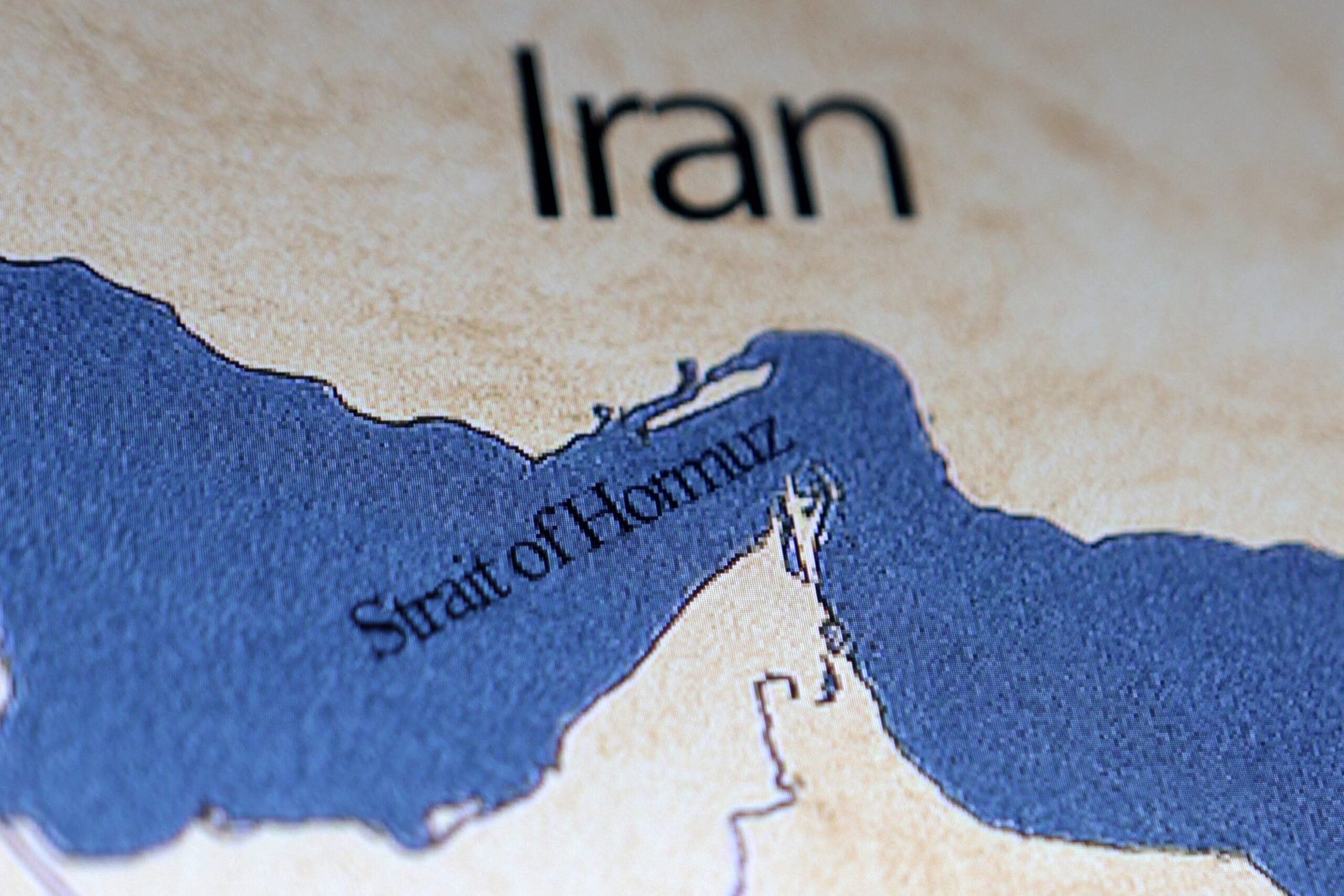
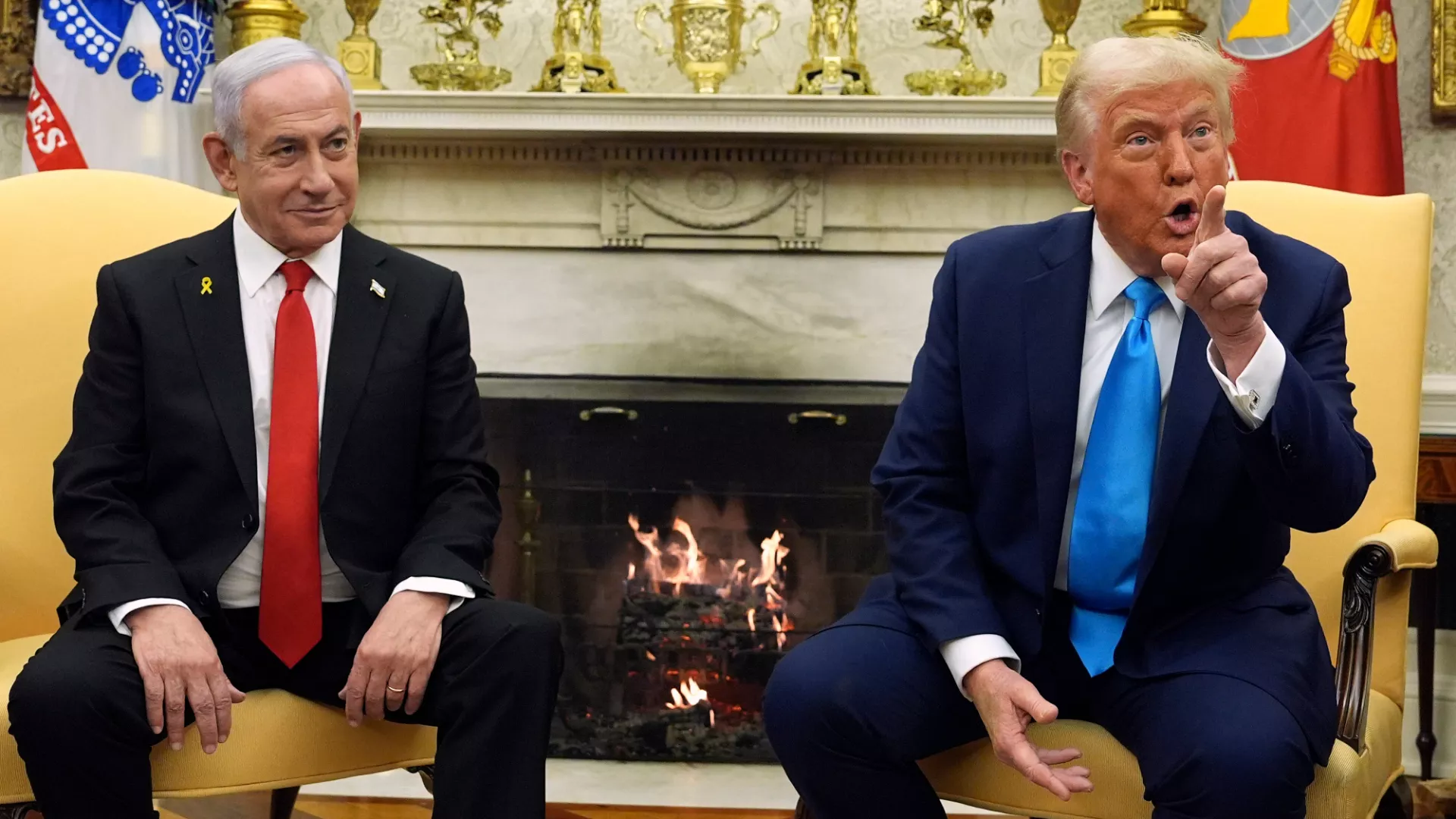
Arab Americans across the United States are grappling with shock and dismay following former President Donald Trump’s bold declaration that the United States would “take over” the Gaza Strip. The statement, made during a joint press conference with Israeli Prime Minister Benjamin Netanyahu, has sent ripples of anxiety and outrage through the Arab American community, further straining the already fragile relationship between Middle Eastern diaspora voters and the US political establishment. Many who once viewed Trump as a strong leader capable of brokering peace in the Middle East now find themselves questioning their past support as his latest remarks suggest an aggressive and interventionist approach that could displace millions of Palestinians.
This announcement has reignited fierce debates on US foreign policy, with many Arab Americans fearing that such a move would amount to ethnic cleansing. Trump’s comments come at a time of heightened global tensions, following over a year of Israeli bombardments in Gaza and Lebanon, which have been supported militarily and diplomatically by the US government. While some had hoped that Trump’s return to the White House would signal a fresh approach, his statements have only deepened the community’s political frustrations.
Faye Nemar and Albert Abbas, influential Lebanese American business leaders and founders of the MENA American Chamber of Commerce (MENACOC), had initially welcomed Trump’s second term with optimism. They had even hosted a high-profile meeting with him in Michigan, where he signed a symbolic “peace plaque,” reinforcing what they believed was his commitment to regional stability. However, in a letter addressed directly to Trump, Nemar expressed her disillusionment, warning that his latest stance could be interpreted as a deliberate act of forced displacement against Palestinians. In her letter, she reminded him of his past assurances to Arab Americans and contrasted them with his new approach, which she described as deeply troubling.
The frustration extends beyond Trump’s recent remarks. Many Arab Americans had already been questioning his track record, recalling his previous actions that altered the US’s approach to the Middle East. During his first term, Trump imposed an immigration ban targeting several Muslim-majority countries, moved the US embassy from Tel Aviv to Jerusalem—a move widely condemned internationally—and formally recognized Israeli sovereignty over the Golan Heights, which remains a disputed territory under international law. His administration’s policies consistently favored Israeli interests, further alienating many within the Arab and Muslim communities in the US.
Trump’s son-in-law and former Middle East envoy, Jared Kushner, had already floated a similar idea to the one Trump is now pushing. In March 2024, Kushner suggested that Israel should forcibly relocate Gaza’s residents while “cleaning up” the territory, emphasizing the potential economic value of its “waterfront property.” This statement raised serious concerns among human rights advocates, who warned that it echoed dangerous colonialist rhetoric. Nancy Okail, a prominent Egyptian-American activist, condemned the approach, saying that Trump appears to view the Middle East as nothing more than a real estate venture.
The reaction within the Arab American community has been swift and fierce, with activists, politicians, and business leaders voicing their opposition to Trump’s proposal. Palestinian American Dr. Burhan Ghanayem, co-founder of the Arab American Democratic Caucus in North Carolina (ACNCDP), expressed his dismay, stating that many Arab Americans feel betrayed and powerless. He explained that Trump’s rhetoric, combined with his previous policies, makes it clear that his administration prioritizes political dominance over genuine peace efforts. Ghanayem noted that while some Arab Americans initially viewed Trump as an alternative to the Democratic Party’s failures, his latest move has left many feeling abandoned by both major political parties.
Disillusionment with the Democratic Party has also grown, particularly under President Joe Biden, whose administration has continued to provide military aid to Israel despite growing international condemnation of its actions in Gaza and the West Bank. Support for Democrats among Arab and Muslim American voters has plummeted in recent years, dropping nearly 50% between the 2020 and 2024 elections. Many voters had hoped that Biden would take a more balanced stance on the Israeli-Palestinian conflict, but instead, they have seen continued diplomatic and military backing for Netanyahu’s government.
Despite their growing discontent, many Arab Americans remain uncertain about their political future. Some are hesitant to abandon Trump entirely, clinging to the belief that his administration may yet shift its approach. Others, however, feel that there is no viable alternative. Ghanayem summed up the frustration, saying, “The Democratic Party failed. It failed its constituents. It failed the people it promised to protect.” Yet, when asked if he saw another political option, his response was bleak: “This is the only game in town.”
Further complicating matters, Trump’s immigration policies have also sparked unease among his former Arab American supporters. A recent executive order allows for the deportation of students accused of being “Hamas sympathizers”—a vague classification that critics argue could lead to wrongful deportations and discrimination against Muslim students. These policies have placed Arab American communities in a difficult position, forcing them to reconcile their past support for Trump with the realities of his administration’s actions.
Even Nemar and Abbas, once enthusiastic Trump supporters, have begun expressing disappointment. Nemar pointed to the lack of Arab and Muslim representation at Trump’s inauguration, despite the significant role these communities played in his campaign. “They were front and center during the campaign trail, on stage with President Trump,” she said. “But those same iconic individuals were nowhere to be seen during the inauguration.” This exclusion has led to growing skepticism about whether the administration genuinely values Arab American voices.
As the political landscape continues to shift, Arab American voters find themselves at a crossroads. With Biden’s foreign policy failing to meet their expectations and Trump’s latest statements deepening their fears, many are left wondering where to turn. Some hope that grassroots political movements will offer a new direction, while others fear that, for now, they are left with no real choices.
With the world watching, the question remains: Will Trump’s plan for Gaza become a reality, or will global and domestic pressure force a reversal?
Stay Updated on Global News
Stay informed with the latest news from Nigeria and beyond! Join us on WhatsApp or Telegram for real-time updates. Have a report or article? Send it to report@trendingnaijanews.com. Follow us on X (Twitter), Instagram, LinkedIn, YouTube, TikTok, and Facebook for more updates.