

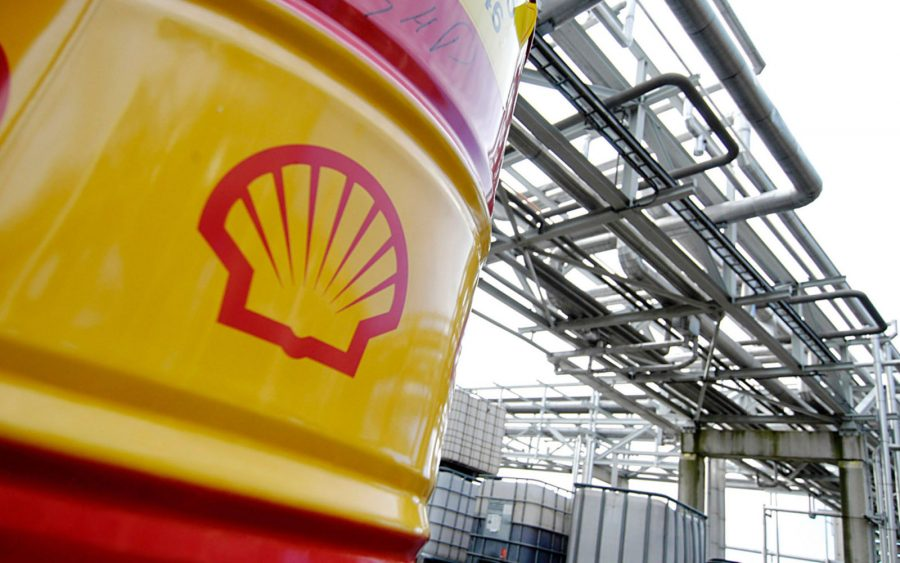
Nigeria’s deep-water oil and gas sector presents one of the most promising opportunities for achieving the country’s ambitious production target of over 2.4 million barrels per day, but this goal hinges on sustained policy reforms and an attractive investment climate. The Shell Nigeria Exploration and Production Company Ltd (SNEPCo) has reaffirmed its commitment to unlocking Nigeria’s offshore energy potential, stressing that deep-water reserves hold the key to securing the country’s energy future and boosting its global competitiveness.
According to Ronald Adams, the Managing Director of SNEPCo, Nigeria’s deep-water fields contain some of the world’s most significant associated and non-associated gas reserves, yet much of this potential remains untapped. Speaking at the 9th Sub-Saharan Africa International Petroleum Exhibition and Conference in Lagos, Adams highlighted that with the right regulatory and fiscal policies, deep-water operations can not only meet Nigeria’s production targets but also drive economic growth, enhance revenue generation, and support global carbon reduction initiatives. He noted that Nigeria’s vast offshore resources could provide cleaner energy solutions, improve domestic gas supply, and contribute to the country’s long-term sustainability goals.
For years, Shell has played a pioneering role in Nigeria’s deep-water oil and gas industry, starting with the launch of production at the Bonga field in 2005. The field remains a cornerstone of Nigeria’s offshore sector, having reached the milestone of exporting one billion barrels of oil in 2023. Building on this success, Shell is set to advance its deep-water footprint with major projects, including the highly anticipated $5 billion Bonga North development, which is expected to begin in 2025. Adams emphasized that for Nigeria to continue benefiting from these deep-water operations, the government must ensure a stable policy framework that encourages both local and foreign investments.
Recent government initiatives aimed at revitalizing the petroleum sector have been welcomed by industry players, particularly the three executive orders signed in February 2024. These orders focus on tax incentives, local content compliance, and the reduction of contracting costs and timelines within the sector. Adams noted that the introduction of tax credits for new deep-water oil and gas investments is a step in the right direction, as it signals Nigeria’s commitment to fostering a more attractive business environment. However, he cautioned that policy consistency and regulatory efficiency are critical in sustaining investor confidence and ensuring long-term growth in the industry.
One of the most pressing challenges facing Nigeria’s deep-water sector is the slow approval process for new projects, which often discourages investors and delays production timelines. Adams called for streamlined regulatory procedures that promote faster decision-making, ensure transparency, and create a more predictable operating environment. By removing bureaucratic bottlenecks and enforcing fair and consistent policies, Nigeria can position itself as a leading destination for deep-water oil and gas investments.
Beyond production targets, the impact of deep-water operations extends to broader economic benefits, including job creation, local capacity development, and social investment initiatives. Shell’s contributions to Nigeria’s economy include significant tax and royalty payments, contract awards to indigenous businesses, and community development projects across all six geopolitical zones. These investments not only strengthen Nigeria’s energy sector but also provide long-term benefits to the local workforce and surrounding communities.
As global energy markets evolve, Nigeria must leverage technology and innovation to optimize its deep-water operations, reduce costs, and improve efficiency. Adams reiterated Shell’s commitment to deploying cutting-edge solutions that enhance productivity and deliver value to stakeholders. By adopting best practices in deep-water exploration and production, Nigeria can strengthen its position as a key player in the global oil and gas industry and achieve long-term energy security.
The coming years will be crucial in determining whether Nigeria can fully harness its deep-water potential and meet its ambitious production targets. With the right mix of policy reforms, strategic investments, and regulatory efficiency, the country has the opportunity to solidify its status as a top-tier producer in the international energy market. The future of Nigeria’s deep-water industry is promising, but realizing its full potential will require coordinated efforts between the government, industry stakeholders, and investors.
Stay informed with the latest news from Nigeria and beyond! Join us on WhatsApp or Telegram for real-time updates. Have a report or article? Send it to report@trendingnaijanews.com. Follow us on X (Twitter), Instagram, LinkedIn, YouTube, TikTok, and Facebook for more updates.