

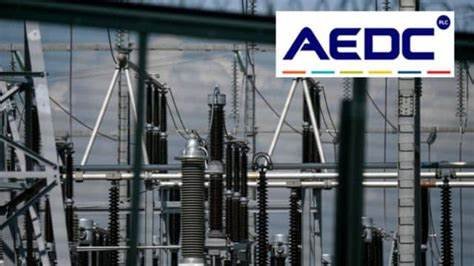
Abuja residents and businesses that have endured prolonged power outages can now look forward to relief, as the Abuja Electricity Distribution Company (AEDC) has assured that full power supply will be restored by February 23. The prolonged blackout, which has affected several districts within the Federal Capital Territory and surrounding areas, has been attributed to the vandalization of a crucial 132kV underground transmission cable near Millennium Park. The Transmission Company of Nigeria (TCN) has been working round the clock to repair and reconnect the damaged cable, with AEDC confirming that restoration efforts are progressing as scheduled. The company assured customers that engineers are making significant progress and that within the next 11 days, normal electricity supply will be restored.
In a public notice shared on its official X handle, AEDC acknowledged the frustrations of consumers who have had to cope with inconsistent power supply in major areas such as Wuye, Utako, Jabi, Mabushi, Katampe Districts, Life Camp, Wuse Zones 1-7, Wuse 2, Maitama, and parts of the Central Business District. The company reaffirmed that while repairs are ongoing, load management strategies have been implemented to optimize the limited available power supply to affected areas. AEDC emphasized that it is working closely with TCN to ensure the full restoration of electricity within the specified timeframe.
Despite the assurance of a February 23 deadline, power supply issues within Abuja and its neighboring locations have persisted for months, with residents and businesses suffering recurrent disruptions. Data obtained from AEDC shows that between January 1 and February 11, no fewer than 188 locations under its franchise suffered widespread blackouts due to various technical faults on electricity feeders. The situation has significantly impacted both commercial and residential areas, forcing businesses to rely on costly alternative power sources while households struggle with daily inconveniences. The problem has been further compounded by ongoing maintenance work on transmission lines and substations, as well as the relocation of major infrastructure such as the 33KV DC Airport Feeder and 132KV Kukwaba-Apo Transmission Line Towers.
A review of the most recent outages highlights the scale of disruptions residents have faced. On January 4, power supply was disrupted in areas around the Nigerian Electricity Regulatory Commission, with AEDC citing technical faults. The following day, Agwan Koro, Madalla, Police Estate, Efab Estate Dakwa, FHA Zuba, Anagada Tungamaje, and parts of DeiDei and Jiwa were plunged into darkness due to feeder failures. On January 6, key locations including Garki Area 1, 2, 3, 7, 8, Durumi, the National Hospital, The Dome, Russian Embassy, Equatorial Guinea Embassy, the UN office, World Trade Center, ICPC, and Church Gate suffered prolonged outages. Several days later, residents in Kubwa, Berger Camp, Papal Ground, and Karasana faced similar power disruptions. The pattern continued with businesses and homes around Banex Plaza experiencing blackouts on January 30, while the latest reported outage on February 11 affected Army Barracks, Water Works, and Masuga Kontagora, leading to further frustrations among consumers.
AEDC has repeatedly assured the public that its technical teams are working diligently to resolve these issues, but many residents remain skeptical given the frequent recurrence of power supply disruptions. The company has attributed the challenges to infrastructure faults, vandalism, and ongoing maintenance projects, but consumers have questioned why long-term solutions have not been effectively implemented. Despite collecting over N229.39 billion in revenue from electricity usage within the first 11 months of 2024, the company has struggled to maintain a stable and uninterrupted power supply. Business owners in the affected areas have lamented the financial losses incurred due to unreliable electricity, while households have been forced to endure increased expenses on fuel and alternative energy sources.
As the February 23 deadline approaches, expectations remain high for the restoration of full power supply. The coming days will be crucial in determining whether AEDC and TCN can deliver on their commitment and finally provide stable electricity to Abuja and its neighboring areas. With businesses, institutions, and residents eagerly awaiting relief, the urgency for a lasting solution to Nigeria’s power crisis has never been greater.
Stay informed with the latest news from Nigeria and beyond! Join us on WhatsApp or Telegram for real-time updates. Have a report or article? Send it to report@trendingnaijanews.com. Follow us on X (Twitter), Instagram, LinkedIn, YouTube, TikTok, and Facebook for more updates.