

The British government has announced a sweeping crackdown on illegal migration, introducing strict new immigration rules that will make it significantly harder for undocumented migrants to obtain British citizenship. This latest policy shift signals a dramatic reinforcement of border control measures, with the UK Home Office making it clear that individuals who enter the country illegally, including those arriving via small boats, will now face an automatic refusal when applying for British citizenship. This decision is seen as part of a broader strategy to curb illegal migration, deter dangerous crossings, and respond to mounting political pressure on the government to take a firmer stance on immigration control.
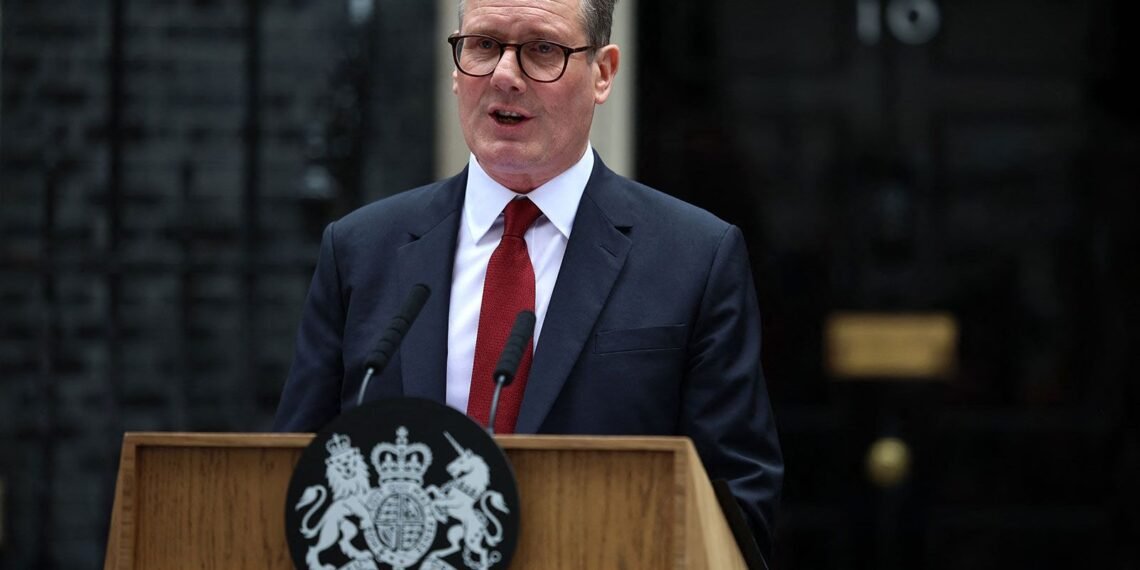
The announcement comes at a time when the Labour government, led by Prime Minister Keir Starmer, is under increasing pressure to act decisively on migration issues. The recent general election saw the far-right Reform UK party, headed by Nigel Farage, gain nearly four million votes—an unprecedented outcome that has sent shockwaves through the UK’s political landscape. This surge in support for a party that champions strict immigration policies has placed additional pressure on the government to introduce tougher measures. In response, the Home Office has reinforced its commitment to reducing illegal immigration by denying citizenship to those who enter the country unlawfully. Officials argue that the new policy is a necessary step to discourage undocumented migration and prevent people from bypassing the legal pathways to residency and citizenship.
Critics, however, have condemned the move, arguing that it risks creating a system of second-class residents and could severely impact refugees who have fled conflict and persecution in search of safety. Labour MP Stella Creasy voiced her strong opposition, stating that the policy was unfair to those who have been granted refugee status but are now being denied a future in Britain. She warned that this approach could leave thousands in limbo, unable to fully integrate into society despite having fled war-torn regions and life-threatening conditions. Legal experts and immigration advocates have also expressed concerns, with Free Movement, a well-regarded immigration law blog, describing the policy as “spiteful and damaging to integration.” They argue that blocking refugees and asylum seekers from obtaining citizenship not only undermines their ability to contribute to British society but also fosters an environment of exclusion and instability.
The new restrictions are being introduced alongside a broader set of immigration measures that form part of the UK government’s Border Security, Asylum, and Immigration Bill, which is currently being debated in Parliament. This legislation aims to grant law enforcement officials increased authority to tackle illegal migration, particularly targeting the criminal networks that facilitate crossings across the English Channel. The government has framed the Bill as an essential step toward strengthening the country’s border security while ensuring that migration remains controlled and sustainable. Unlike the previous Conservative administration, which sought to deport undocumented migrants to Rwanda under a controversial policy introduced by Rishi Sunak, the Labour government is now prioritizing enforcement measures that focus on dismantling smuggling networks and preventing unlawful entry into the UK.
Despite these efforts, illegal crossings into Britain continue to rise. Recent data from the UK interior ministry reveals that 36,816 people attempted to cross the Channel illegally in 2024, marking a 25% increase compared to 2023. These figures highlight the growing challenge faced by UK authorities in managing border security and immigration flows. The persistence of these crossings suggests that stricter regulations alone may not be enough to curb migration and that a more comprehensive approach, addressing both enforcement and humanitarian concerns, may be required.
For thousands of aspiring migrants, including Nigerians and other international students or job seekers hoping to establish a future in the UK, these policy changes represent yet another barrier in an already challenging immigration landscape. Many young Nigerians, driven by the need to escape economic hardship and build a legacy for their families, have long viewed the UK as a land of opportunity. However, the tightening immigration policies now serve as a stark reminder that migration pathways are becoming increasingly limited. The dream of settling in Britain, gaining employment, and eventually securing citizenship is now more uncertain than ever for those who do not follow legal entry routes. With economic instability and limited job prospects at home, many skilled individuals are searching for alternatives, but the new restrictions reinforce the need for careful planning, legal compliance, and thorough understanding of immigration laws before making any moves.
The implications of these policies go beyond just legal frameworks—they touch on the human side of migration, affecting individuals and families who have risked everything to seek a better life. The question now is whether these measures will achieve their intended goal of discouraging illegal migration or whether they will instead push more people into precarious situations, unable to access the rights and protections they desperately need. While the UK government insists that these changes are necessary for maintaining control over its borders, critics argue that a balanced approach—one that combines enforcement with fair pathways to integration—is essential in addressing the complexities of modern migration.
As the UK’s immigration policies continue to evolve, it has become more important than ever to stay informed. Understanding the legal landscape, knowing the latest updates, and being aware of one’s rights are crucial for those seeking to move abroad. The stakes are high, and missing out on critical information can mean the difference between securing a future in the UK and facing unexpected obstacles. Stay updated with the latest news from Nigeria and beyond! Join us on WhatsApp or Telegram for real-time updates. Have a report or article? Send it to report@trendingnaijanews.com. Follow us on X (Twitter), Instagram, LinkedIn, YouTube, TikTok, and Facebook for more updates!