

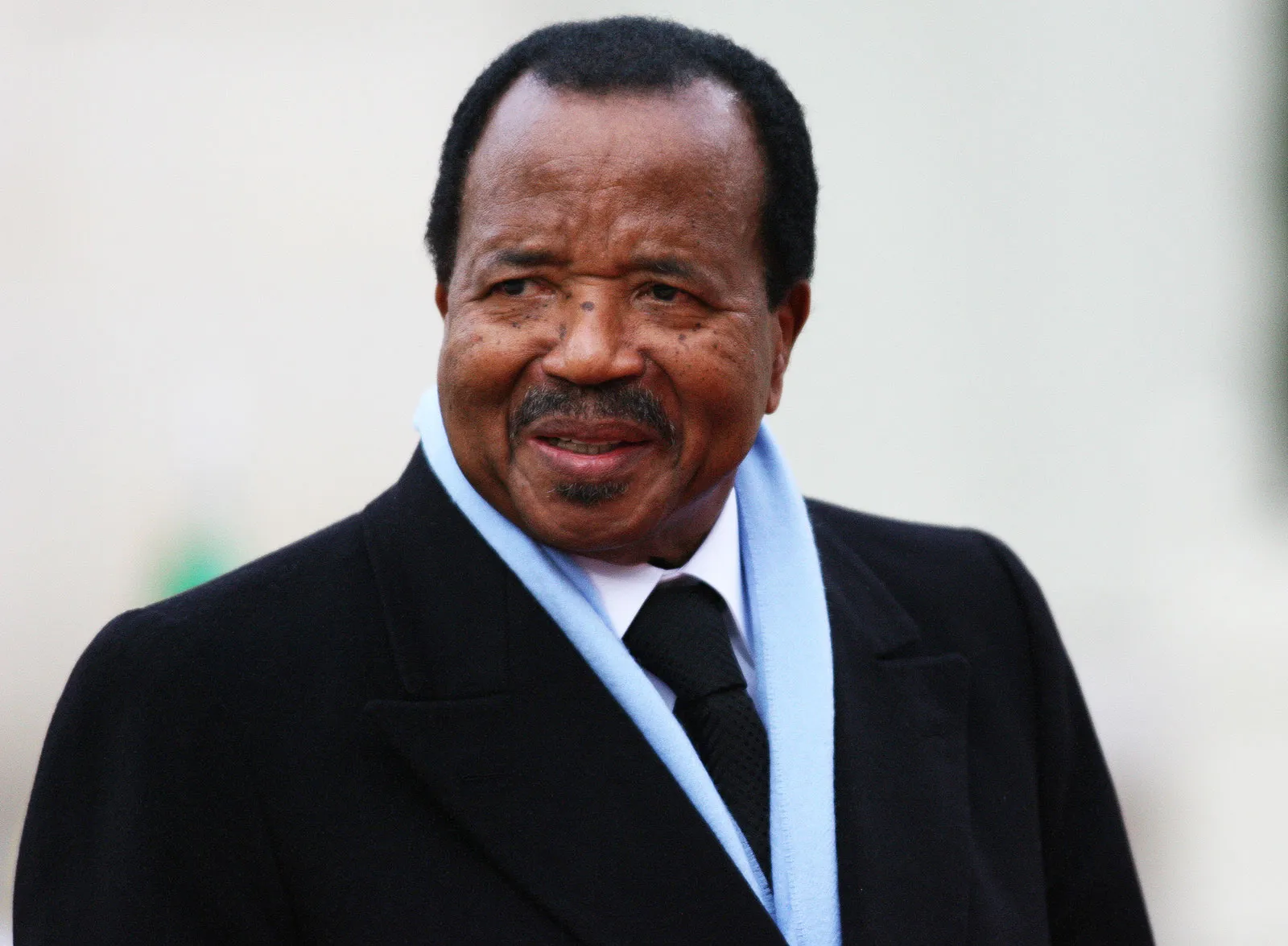
Cameroon is once again at a political crossroads as President Paul Biya, the world’s oldest sitting head of state, approaches the upcoming October election amid growing speculation about his re-election bid. At 92 years old, Biya has held power since 1982, making him one of the longest-serving leaders in modern history. Despite concerns over governance, corruption, security challenges, and his prolonged absences from the country, his grip on power remains firm.
As the election draws closer, Biya has yet to formally announce whether he will run. Government spokesman Rene Emmanuel Sadi recently stated that the president will make his decision known “at the appropriate time.” However, signs strongly indicate that Biya intends to extend his rule. His administration, which has systematically suppressed political opposition, faces widespread criticism for its failure to address deepening economic hardship, youth unemployment, and human rights abuses. Since securing another term in a contested 2018 election, Biya has tightened his control over the country, with opposition voices frequently silenced through arrests and state repression.
Despite his advanced age and growing health concerns, Biya continues to receive strong backing from political elites, security forces, and traditional leaders who view his rule as a stabilizing force. Supporters have launched social media campaigns and public rallies advocating for his re-election, reinforcing widespread expectations that he will once again be on the ballot. However, many Cameroonians, especially the younger generation, argue that his prolonged stay in power has worsened the country’s economic situation and fueled deep frustration among citizens who are eager for change.
Cameroon is also grappling with multiple security crises that further complicate its political landscape. Boko Haram militants continue to launch deadly attacks in the country’s Far North region, causing widespread displacement and destruction. Meanwhile, armed separatist movements in the English-speaking regions have intensified their fight against the government, leading to thousands of deaths and a severe humanitarian crisis. The conflict between separatists and the government has paralyzed economic activities in affected areas, with civilians caught in the crossfire. Yet, despite these growing security concerns, Biya’s government has remained steadfast in its refusal to engage in meaningful negotiations with rebel groups.
The worsening economic situation has also drawn concerns from religious and civil society leaders. The Catholic Church has repeatedly warned of growing economic hardship, corruption, and social distress. In a recent statement, Cameroon’s Catholic bishops highlighted the increasing struggles faced by ordinary citizens, pointing to high unemployment, inflation, and the lack of opportunities for the country’s youth. Critics argue that Biya’s administration has failed to implement policies that promote economic growth and development, leaving many Cameroonians feeling abandoned by their leaders.
One of the defining characteristics of Biya’s presidency has been the stagnation of political institutions. Since 2019, several key ministerial and parliamentary positions remain vacant following the deaths of government officials, raising serious concerns about leadership succession. With no clear transition plan in place, analysts warn that Cameroon risks political instability if Biya were to suddenly become incapacitated. The lack of a well-structured governance system has fueled speculation that his inner circle is more focused on maintaining power than ensuring a smooth transition in the future.
For many Cameroonians, the upcoming election represents another chapter in Biya’s long-standing rule rather than an opportunity for real political change. The opposition remains fragmented and lacks the resources to challenge the ruling party effectively. The electoral process itself has been criticized for favoring the incumbent, with concerns over transparency and fairness. With state institutions and security forces firmly under Biya’s control, the likelihood of a major political shift remains low.
While some argue that Biya’s continued leadership provides stability, others believe that his extended rule has contributed to Cameroon’s stagnation, blocking fresh ideas and democratic progress. Many young Cameroonians, who make up a significant portion of the population, feel disillusioned with the political system and increasingly seek opportunities abroad, further exacerbating the country’s brain drain problem. The growing gap between the ruling elite and ordinary citizens has created an atmosphere of uncertainty as the election approaches.
Whether Biya officially declares his candidacy or not, his political dominance remains virtually unchallenged. His decades-long rule has been marked by political suppression, economic mismanagement, and a refusal to step aside for new leadership. As Cameroon braces for another election cycle, the question remains: Will the country continue under Biya’s leadership, or will the demand for change finally break through the walls of power?
Stay informed with the latest news from Nigeria and beyond! Join us on WhatsApp or Telegram for real-time updates. Have a report or article? Send it to report@trendingnaijanews.com. Follow us on X (Twitter), Instagram, LinkedIn, YouTube, TikTok, and Facebook for more updates.