

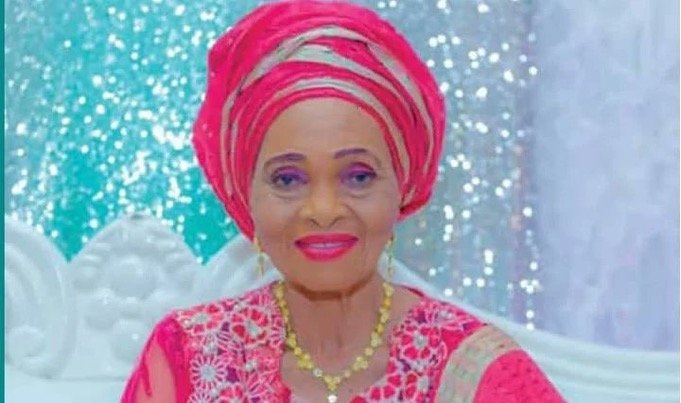
The Nigerian media landscape has been thrown into mourning following the passing of an extraordinary figure, Anike Agbaje-Williams, who made history as the first face on African television. The broadcasting legend and philanthropist passed away peacefully on Thursday at the age of 88 in Ibadan, the Oyo State capital, where she lived most of her life. Her death marks the end of an era, leaving behind a legacy that transformed media in Nigeria and across the continent.
Anike Agbaje-Williams was not just a broadcaster; she was a symbol of progress, innovation, and excellence. She was the first person to appear on television screens in Africa when Western Nigeria Television, now the Nigerian Television Authority, began its test transmission and official launch on October 31, 1959. Her face became the image of a new era, one that introduced Nigerians to the power of television and its ability to inform, educate, and connect people. She was also the first voice heard on Western Nigerian Broadcasting Service, Africa’s first commercial radio station, a feat that earned her the nickname “Double-First.”
Her death has triggered a wave of tributes from across the nation and beyond, with many acknowledging her remarkable contributions to journalism, broadcasting, and women’s representation in the media industry. For decades, she remained a towering figure, paving the way for future generations of journalists and broadcasters while serving as an inspiration to young women who aspired to break barriers in a male-dominated industry.
In a statement issued on behalf of the family, Banji Sokoya expressed deep sorrow over her passing, describing her as a beloved mother, grandmother, and great-grandmother whose influence stretched far beyond her immediate family. The family is mourning privately but has assured the public that arrangements will be made to honor her life and legacy.
The statement described Agbaje-Williams as a woman who lived a life of purpose, passion, and immense impact. She was widely celebrated not only for her work in broadcasting but also for her love of humanity, mentorship, and her dedication to God. Her presence in the industry was legendary, and the memories of her groundbreaking career will continue to inspire future generations.
Her journey in broadcasting was one of resilience and excellence. At a time when television and radio were still developing in Nigeria, she embraced the challenge and set the standard for professionalism in the industry. She was more than just a presenter; she was a storyteller, a communicator, and a pioneer who understood the power of the media in shaping societies. She made history not only by being the first but by setting a benchmark that many after her have strived to reach.
Her voice carried across airwaves, and her image on television screens gave Nigerians their first experience of the power of visual storytelling. Many who grew up in the golden era of Nigerian broadcasting still recall the elegance, clarity, and authority she brought to the screen. Her impact was felt not just in Nigeria but across Africa, as she demonstrated the potential of television as an educational and developmental tool.
Beyond her achievements in broadcasting, Agbaje-Williams was a mentor to many. She trained, supported, and encouraged young broadcasters who went on to become giants in the industry. Her passion for excellence and professionalism remained evident in every role she played throughout her career. She was not just a pioneer but a teacher and guide who nurtured talent and helped shape the industry into what it is today.
As news of her death spreads, there have been growing calls for the government and media institutions to immortalize her legacy. Many believe that her contributions to broadcasting should not be forgotten and have suggested renaming a major broadcasting institution in her honor. Others have proposed an annual award recognizing excellence in journalism, particularly for women, as a way of preserving her impact on the industry.
For a woman who spent her life amplifying voices and telling the stories of her people, such honors would be a fitting tribute. Her work went beyond broadcasting; it was about shaping narratives, preserving history, and inspiring change. She gave television and radio a human face and voice, making it relatable and accessible to millions. Her influence remains deeply embedded in the foundation of Nigerian media, and her name will continue to be referenced whenever the history of broadcasting in Africa is told.
As the nation and the media industry mourn the passing of this irreplaceable icon, one thing remains certain: Anike Agbaje-Williams’ contributions to Nigerian and African broadcasting will never be forgotten. Her legacy is woven into the very fabric of the media industry, and her pioneering spirit will continue to inspire generations to come.
Stay informed with the latest news from Nigeria and beyond. Join us on WhatsApp or Telegram for real-time updates. Have a report or article? Send it to report@trendingnaijanews.com. Follow us on X (Twitter), Instagram, LinkedIn, YouTube, TikTok, and Facebook for more updates.