

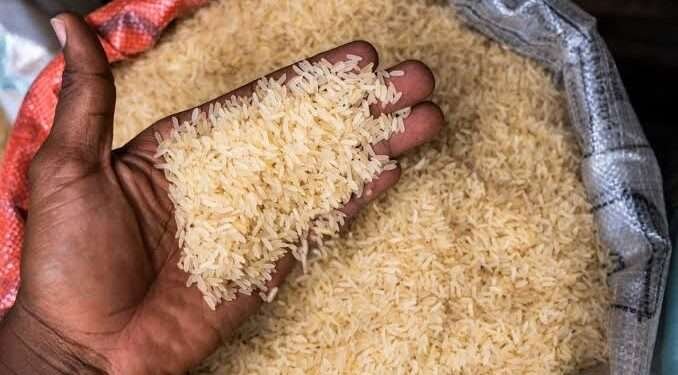
In a bid to provide temporary relief amidst escalating hunger and food insecurity, Nigeria has received a 32-ton shipment of rice from Thailand. This marks the first such shipment in a decade and arrives in Lagos, facilitated by DUCAT, the logistics company responsible for its delivery.
The rice shipment follows Nigeria’s decision to implement a tariff moratorium on wheat, corn, rice, and other food crops in 2024. Although the duty waiver was introduced to address the growing food crisis, purchases have been cautious due to concerns over the potential negative impact on local producers.
“Nigeria has been working hard to find solutions to broaden and strengthen its food supply accessibility,” stated Adrian Beciri, CEO of DUCAT. Several months ago, Nigeria announced a series of measures to tackle soaring food inflation, which has reached its highest rate in three decades. With nearly half of Nigeria’s population living in extreme poverty, the government is making urgent efforts to ease the burden on its citizens.
Agriculture and Food Security Minister, Abubakar Kyari, revealed that the government will create a 180-day window for duty-free imports of wheat, corn, and other essential food crops. Additionally, imported food will be subjected to a recommended retail price to help control rising costs.
These developments come amid the challenges of Nigeria’s recent economic reforms, including the devaluation of the naira and an increase in electricity tariffs. These measures have contributed to soaring food inflation, which hit a staggering 41% in May 2024—the highest in 28 years. In response, the Central Bank of Nigeria raised interest rates to a historic high to address inflationary pressures.
The government’s efforts to combat food inflation include a 150-day duty-free import window announced in July 2024, allowing the importation of key food crops like maize and wheat. The policy also introduces a Guaranteed Minimum Price (GMP) for essential commodities and aims to boost local production, particularly for smallholder farmers in the 2024/2025 season.
However, the approach has faced criticism, with Dr. Akinwunmi Adesina, President of the African Development Bank, warning that Nigeria’s growing reliance on food imports undermines the country’s agricultural policy and poses risks to its long-term economic stability.