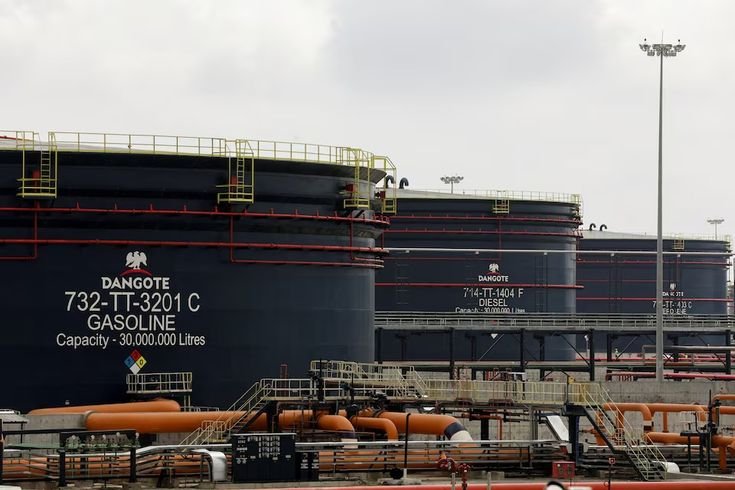
The latest depot data shows that Dangote Petroleum Refinery raised its listed Lagos petrol price by N6 to N1,348 per litre on Thursday, October 15, up from N1,342. The increase is small on paper, but in a market where marketers watch every naira, it was enough to set off fresh calculations across the downstream sector. Other Lagos depots listed prices between N1,344 and N1,350 per litre, which means the refinery’s rate now sits comfortably inside the pack rather than undercutting it as it did a few weeks ago.
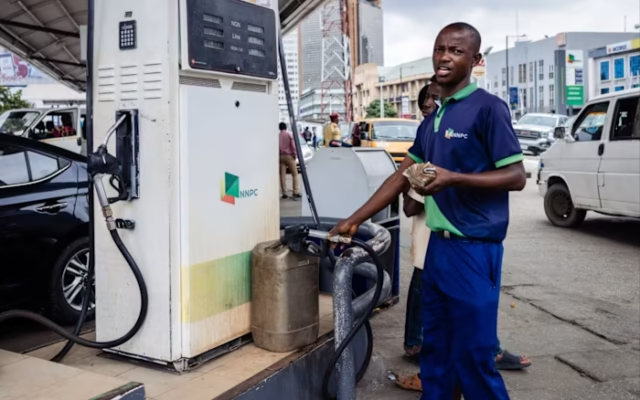
At the pump, the picture is more mixed. NNPC lowered its retail prices in a recent adjustment to about N1,360 per litre in Lagos and N1,370 in Abuja. In Abuja, that was a reduction from N1,405 reported earlier. Motorists should not read too much into the headline figure, though, because pump prices vary by state, by station and by marketer. Reports earlier this autumn showed NNPC stations selling as low as the N1,230 range in some states and as high as the N1,450 range in others, depending on distance from supply points.
What is clear is that Nigerians are paying far more at the pump than they were in the summer. Dangote’s gantry price was N1,165 per litre in mid August. Between August 20 and September 12, it rose four times, reaching N1,350, a climb of about N185 in just over three weeks. The refinery blamed higher crude costs. A reduction of N25 followed soon after, and the depot rate has hovered in the N1,340 range since. Put simply, petrol is roughly N180 per litre more expensive than it was two months ago, and the relief that some motorists enjoyed in the early summer has largely faded.
Why does the Dangote price matter so much? Since the refinery began supplying the domestic market at scale, its gantry price has become the benchmark that most depots and marketers track. When it moves, the others usually follow within hours or days, and pump prices adjust shortly after. Industry watchers describe the refinery as the price leader of the downstream market, a role once played by imports and the state oil company.
The other force at work is the exchange rate. Petroleum products are priced with an eye on what it would cost to import the same fuel, a figure often called the import parity price, and that figure depends heavily on the naira. A report published in September put the estimated landing cost of petrol at around N1,311 per litre at the time the refinery moved to N1,350, meaning the refinery’s price had risen above the cost of bringing in cargoes from abroad. With the naira holding near N1,332 to the dollar at the official window this week, the currency is not adding fresh pressure. But global crude prices, which have stayed elevated through the autumn, continue to keep costs high.
That brings us to the policy question that dominated headlines on Monday. Finance Minister Taiwo Oyedele warned in Bangkok that even considering the return of the fuel subsidy could trigger capital flight and push the naira sharply lower, which would make imported fuel far more expensive in naira terms. The warning landed in a week when motorists are already feeling the pinch, and it has placed the petrol price at the centre of the national economic conversation. The government’s position is that market pricing, however painful, is the only sustainable path, and the steady movement in depot prices shows how closely local fuel costs now track global conditions and the exchange rate.
Meanwhile, the supply side is also changing. Reports say six marketers have received clearance to import a total of 830,000 tonnes of petrol in the fourth quarter. That matters because it shows that imports remain part of the supply mix even as the Dangote refinery scales up. For consumers, more supply options can help keep prices from spiking, as importers and the refinery compete for the same market. For the industry, it is a reminder that the era of a single dominant supplier has not arrived yet.
The second big storyline in petroleum is the Dangote refinery’s initial public offering. The Securities and Exchange Commission has approved an extension of the offer period to October 27, from the original closing date of October 13. The offer comprises 4.1 billion shares priced at N525 each, which works out to roughly N2.15 trillion. Aliko Dangote has said that demand has already exceeded the amount being sought. Returns are expected to be collated on November 3.
The extension has fuelled debate in investment circles. Supporters argue that the extra time allows more retail investors, pension funds and institutions to participate, and that the strong demand reflects confidence in the refinery’s role in Nigeria’s energy security. Sceptics counter that an extension after the original deadline raises questions about how the offer is being received, and they point out that investors will want clarity on pricing, profitability and the refinery’s exposure to crude supply and exchange rate swings. Neither view can be settled until the allotment is announced, but the size of the offer makes it one of the most closely watched capital market events in Nigeria this year.
There is a direct link between the two stories. A listed Dangote refinery would be under pressure from public shareholders to deliver profits, and its pricing decisions would come under sharper scrutiny. Motorists who feel the refinery’s price moves at the pump may soon find that the company behind those moves answers to thousands of ordinary shareholders as well as to Nigerian consumers. How that dynamic plays out will shape the politics of petrol for years.
For the average Nigerian, the question is practical: what should I expect at the pump in the coming days? Analysts watching the market point to a few signals. First, further small adjustments are likely, since depot prices have been moving by a few naira at a time in recent days. Second, a sharp change in global crude prices or the naira would quickly be reflected in depot rates and then in pump prices. Third, the outcome of the subsidy debate matters, because any hint of policy reversal could unsettle the exchange rate and, with it, the cost of fuel.
Motorists and transport operators can take a few sensible steps. Compare prices between stations in your area, since gaps of N20 to N50 per litre between neighbouring outlets are not unusual. Track the depot price published by industry sources, because pump prices tend to follow within days. And if you run a fleet or a commercial vehicle, build a small buffer into your fare or delivery pricing, since volatility has been the pattern since August.
Transport fares, which move with petrol, remain the most direct way the fuel price reaches the household budget. When a litre costs N1,360, a daily commute becomes a serious line item, and the cost shows up in the price of food, goods and services. That is why the petrol price remains a political and economic barometer, and why every naira movement is watched so closely.
For now, the market is in a holding pattern. The Dangote depot price sits at N1,348, NNPC stations are selling around N1,360 in Lagos, imports are lined up for the final quarter and the refinery’s share sale is heading for its new closing date of October 27. The next few days will show whether the calm holds or whether another round of price changes is on the way.