

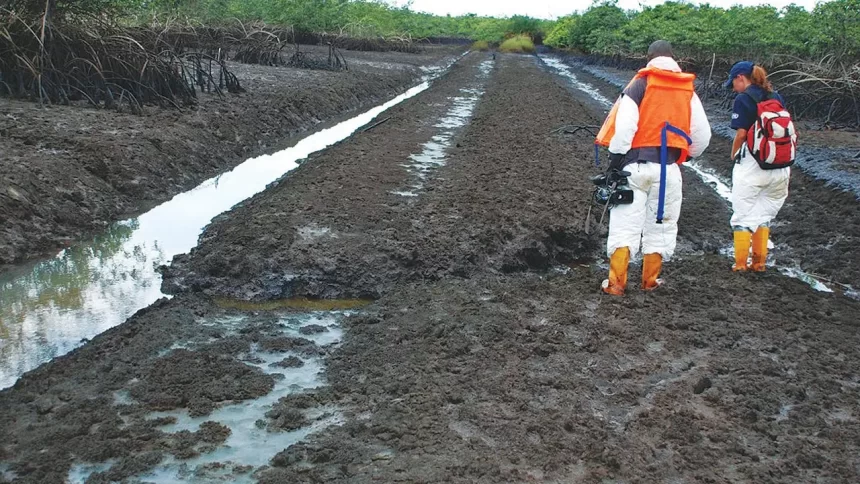
As Nigeria looks to resume oil exploration in Ogoni Land, the communities who have long been impacted by the devastation of environmental degradation are raising their voices in concern. With the Nigerian government pushing for the restart of oil production in the region, the Ogoni people are insisting that their voices must be heard, and they must be directly involved in any decision-making processes moving forward. This is particularly important, given the longstanding issues of environmental damage and human rights abuses that have plagued the region for decades. Fegalo Nsuke, the leader of the Movement for the Survival of the Ogoni People (MOSOP), has called for meaningful consultations between the government and the Ogoni community, as well as an emphasis on addressing the historical damages before any further exploration can proceed.
The recent directive from President Bola Tinubu to Nigeria’s National Security Adviser (NSA) and the Nigerian National Petroleum Company Limited (NNPCL) to lead efforts aimed at reconciliation and negotiations with the Ogoni people has sparked mixed reactions. While the move has been welcomed by some, the Ogoni people have voiced their displeasure with the lack of adequate consultation. The planned oil exploration resumption has intensified these concerns, with the locals, particularly those at the grassroots level, worried about what they see as the detrimental effects of restarting production without proper consultation and community involvement.
The primary concern centers around the environmental state of the region, which has been significantly harmed by oil extraction over the past decades. The local communities fear that resuming oil exploration could worsen the environmental degradation, thereby undermining the ongoing efforts aimed at cleaning up and remediating the region. Ogoni Land, historically rich in natural resources, has been severely affected by oil spills, gas flaring, and unsustainable extraction practices that have destroyed the environment, killed wildlife, and disrupted the livelihoods of local farmers and fishermen. This ecological destruction has led to serious health problems, including respiratory issues and diseases linked to toxic exposure, as well as the displacement of communities.
The Ogoni community has endured these abuses for years, and there is a deep sense of injustice. Fegalo Nsuke, leader of MOSOP, made it clear that while the resumption of oil exploration could potentially bring economic benefits, the government must be cautious. He emphasized that oil exploration should not come at the expense of the Ogoni people’s well-being or their environmental future. He argued that the economic growth that oil exploration could bring should be carefully balanced with the need for sustainable practices that address the damages of the past.
Ogoni people such as Fynface Dunamene echo these sentiments. Dunamene, an indigene of Ogoni Land, believes that addressing the underlying issues that led to the stoppage of oil exploration in the first place should take priority before any further exploration begins. The reasons for halting oil production in the past are still very much present, and the Ogoni community is insisting that they be given the platform to voice their concerns and be part of the solution before any action is taken. This includes ensuring that the environmental remediation process is completed, that the health of the community is taken into account, and that they are compensated for the years of suffering and losses they have experienced.
The recent visit to Ogoni Land by the Rivers State governor, along with Ogoni elders and prominent politicians, further highlighted the ongoing tensions in the region. While the government’s efforts are intended to open the door to dialogue, they have failed to fully address the root causes of the Ogoni people’s grievances. The grassroots population feels that the voices of those who have directly experienced the pain of oil extraction are not being heard. Despite efforts at dialogue and reconciliation, there is still widespread concern that the government’s push for oil exploration resumption might be more focused on economic gain than on addressing the long-standing human rights violations and environmental restoration that need urgent attention.
The Ogoni people are not just seeking compensation for the damages of the past; they are calling for a comprehensive approach that takes into account the future sustainability of the region. They want assurances that any new oil exploration will be conducted in a way that respects the environment, promotes economic growth in a manner that benefits the local population, and most importantly, involves the community at every level of the decision-making process. They believe that multinational oil companies operating in Ogoni Land must be held accountable and must follow more stringent guidelines to ensure that oil extraction does not lead to further environmental degradation.
The Ogoni people are not asking for much; they want justice, accountability, and the preservation of their land and way of life. In this new era of oil exploration, it is essential that the Nigerian government considers the voices of the local communities in any decisions about resource extraction. The risk of social unrest and potential conflict in Ogoni Land could be avoided by ensuring that any future oil production is environmentally sustainable and that the human rights of the Ogoni people are respected.
If the Nigerian government is serious about fostering economic development in the region, it must prioritize the health and welfare of the Ogoni people, ensuring that they are partners in this process, not just passive recipients of decisions made by government officials and multinational corporations. It is only by doing so that the Ogoni people will be able to trust that their future is truly secure and that the economic benefits of oil exploration will be enjoyed by all, not just the powerful few.
Stay informed with the latest news from Nigeria and beyond! Join us on WhatsApp or Telegram for real-time updates. Have a report or article? Send it to report@trendingnaijanews.com. Follow us on X (Twitter), Instagram, LinkedIn, YouTube, TikTok, and Facebook for more updates.