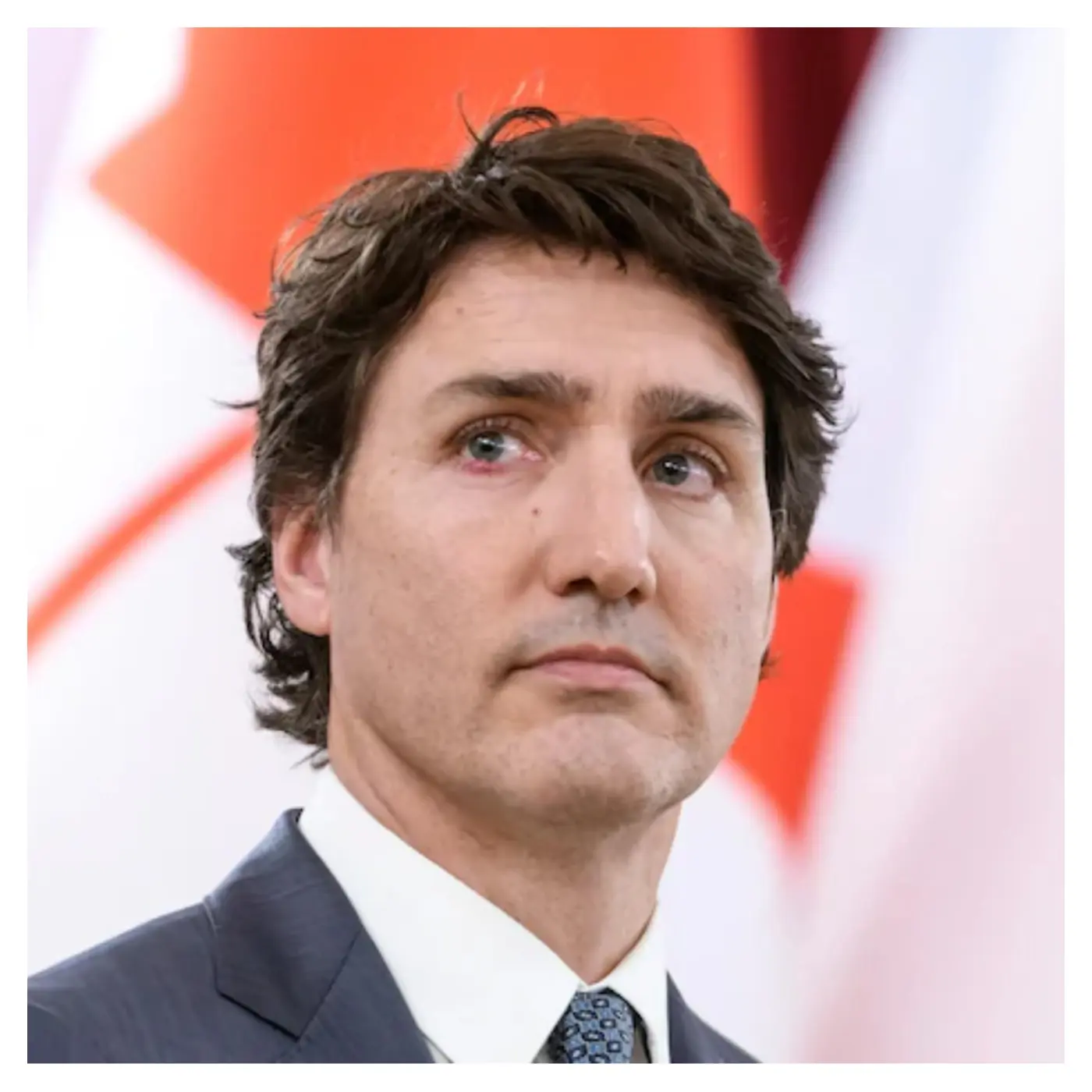
In a bold retaliation against the latest tariffs imposed by the United States, Canada has announced a sweeping countermeasure, slapping 25 percent tariffs on approximately $155 billion worth of American goods. The move, which was confirmed by Prime Minister Justin Trudeau in a late-night statement, is expected to deepen the economic conflict between the two countries and send ripples across global markets. Trudeau made it clear that Canada would not stand idle in the face of what he described as an unjustified trade attack. He warned that these tariffs would take immediate effect at 12:01 a.m. Eastern Standard Time, mirroring the timeline set by Washington for its own measures. The Prime Minister emphasized that this was not a decision his government took lightly but one that was necessary to protect Canadian industries, workers, and businesses from what he called reckless U.S. trade policies.
The Canadian government has outlined a detailed list of American products that will be subjected to the new tariffs. The affected goods include a wide range of agricultural products such as fruits, fruit juices, vegetables, dairy, and poultry, as well as consumer goods, including household appliances, furniture, and electronics. Additionally, raw materials like lumber, aluminum, and plastics, which are critical to Canada’s manufacturing sector, will also be taxed. The government has reassured Canadian businesses that measures are in place to help them find alternative suppliers and reduce their reliance on American imports.
Canada’s retaliatory tariffs come in direct response to President Donald Trump’s executive order imposing 25 percent tariffs on all Canadian and Mexican imports, as well as a 10 percent tariff specifically targeting Canadian energy. Trump justified his decision by citing the national emergency caused by the fentanyl crisis, arguing that stricter trade policies were necessary to pressure foreign governments into taking greater responsibility for curbing the flow of illegal substances into the United States. However, critics have dismissed this rationale as a cover for broader protectionist policies that risk damaging international economic relations.
The trade war is already having a significant impact on both economies. In the United States, the new tariffs are expected to raise the cost of essential goods such as groceries, fuel, and automobiles, placing additional financial strain on American households. Economic analysts have warned that these measures could also result in significant job losses in industries that depend on Canadian imports and exports. In Canada, the government is urging citizens to support local businesses by purchasing domestically made products whenever possible. Trudeau has also called for national solidarity, encouraging consumers to choose Canadian-made automobiles, food products, and industrial goods to help mitigate the effects of the trade war.
The financial markets have reacted sharply to the escalating tensions, with major stock indices experiencing declines as investors brace for the potential economic fallout. International trade organizations and economic experts have expressed concern that this dispute could spiral into a prolonged economic conflict, with devastating consequences for both nations and the broader global economy. Some analysts believe that Canada’s decision to respond forcefully signals its intent to stand firm in trade negotiations and resist any pressure from the United States to back down.
Meanwhile, China has also announced its own set of retaliatory measures against the United States, escalating the global trade tensions even further. In response to Trump’s decision to raise tariffs on Chinese goods from 10 percent to 20 percent, Beijing has imposed counter-tariffs on American agricultural exports, including soybeans, pork, and beef. The Chinese government has condemned Washington’s aggressive trade policies, arguing that they are destabilizing the global economy and worsening economic uncertainty. This latest development suggests that the current trade conflict is not just limited to North America but is part of a broader global realignment of economic power.
As the trade dispute continues to unfold, both the United States and Canada face growing pressure to find a resolution before the economic damage becomes irreversible. Diplomats from both countries have indicated that negotiations may resume in the coming weeks, but with neither side willing to concede, a quick resolution appears unlikely. The outcome of this conflict will not only shape the future of North American trade but could also influence global economic policies for years to come.
Stay informed with the latest news from Nigeria and beyond! Join us on WhatsApp or Telegram for real-time updates. Have a report or article? Send it to report@trendingnaijanews.com. Follow us on X (Twitter), Instagram, LinkedIn, YouTube, TikTok, and Facebook for more updates.