Nigeria’s most dramatic opposition realignment in a decade is reshaping the 2027 presidential race with Peter Obi now the sole NDC presidential aspirant and Tinubu’s APC readying its counteroffensive.
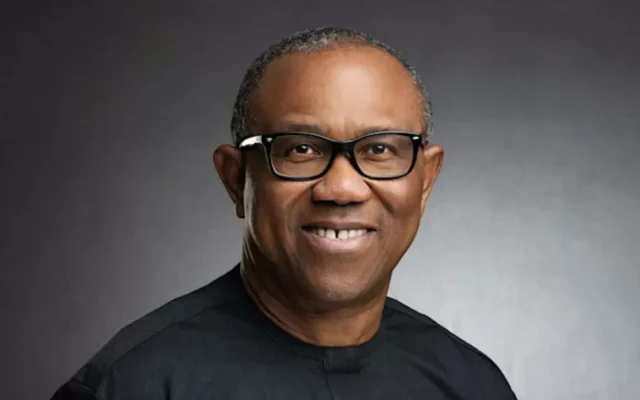
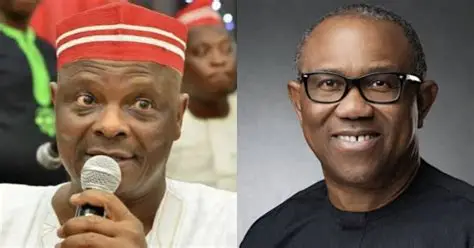
The battle for Nigeria’s 2027 presidency is no longer a distant political murmur. It is an active, moving, and increasingly chaotic political war. This week, Peter Obi formally emerged as the sole presidential aspirant of the Nigeria Democratic Congress (NDC), completing a political journey that took him from the Labour Party to the African Democratic Congress and now to a brand-new platform, all in under three years. Alongside him is Kano’s political juggernaut, Rabiu Musa Kwankwaso, bringing his Kwankwasiya movement’s northern grassroots muscle into the NDC fold. The message from their camp is simple: the opposition is consolidating, and Tinubu should be worried.
But political analysts watching the chessboard closely are not so sure. What is being presented as unity is, under the surface, still a fragmented opposition operating in multiple directions at once. Nigeria’s political landscape in 2026 is being defined by a completed structural realignment, with Atiku Abubakar moving into the African Democratic Congress, and Peter Obi and Kwankwaso subsequently exiting ADC into the NDC, creating a second wave of consolidation that has redirected opposition gravity toward a new political centre. The problem is that this “new centre” keeps shifting, and the APC is watching every move from a position of incumbency power.
The NDC has rapidly gained momentum as a primary vehicle for opposition heavyweights seeking a united front against incumbent President Bola Ahmed Tinubu, who is expected to run for re-election under the APC banner. Thousands of aspirants at the state and federal legislative levels are now filing under the NDC platform, including 748 House of Representatives hopefuls, 198 senatorial aspirants, and 112 governorship candidates undergoing screening this week. The energy is real, even if the strategy remains contested.
The defining risk for the NDC coalition is one Nigeria has seen before: a divided opposition that splits votes and hands victory to the incumbent. Political observers note that Kwankwaso and Peter Obi’s migration to NDC, combined with Datti Baba-Ahmed moving to the PRP and Governor Seyi Makinde of Oyo declaring his own gubernatorial intentions, suggests an opposition that is not converging but fragmenting further. A single broom sweeps powerfully; separate sticks snap easily. That metaphor hangs over every opposition planning meeting in Abuja right now.
Tinubu’s APC, for its part, is not sitting idle. The party has deployed significant financial and organizational resources across the country’s 774 local government areas. Reports emerging from northern state APC chapters suggest aggressive recruitment of defectors from the Labour Party and NNPP, while the presidency is leaning into its economic reform narrative, citing a GDP growth rate of 4.2 percent in 2026 and the naira’s relative stabilization as evidence that the painful reforms of 2023 and 2024 are producing results Nigerians should not gamble away. With 19 months to the election, the war is just beginning.
Today’s Key Highlights:
- Peter Obi is now the sole NDC presidential aspirant, with party screening of thousands of legislative candidates underway nationwide.
- The NDC coalition includes Obi, Kwankwaso and their respective Obidient and Kwankwasiya movements targeting southern and northern votes simultaneously.
- Atiku Abubakar remains within the ADC, creating a multi-platform opposition that risks splitting anti-Tinubu votes.
- Tinubu’s APC holds incumbency advantage and is leaning on 4.2% GDP growth as its 2027 re-election narrative.
- The 2027 election is emerging as Nigeria’s most consequential since 1999, with generational, regional, and economic fault lines all in play.