

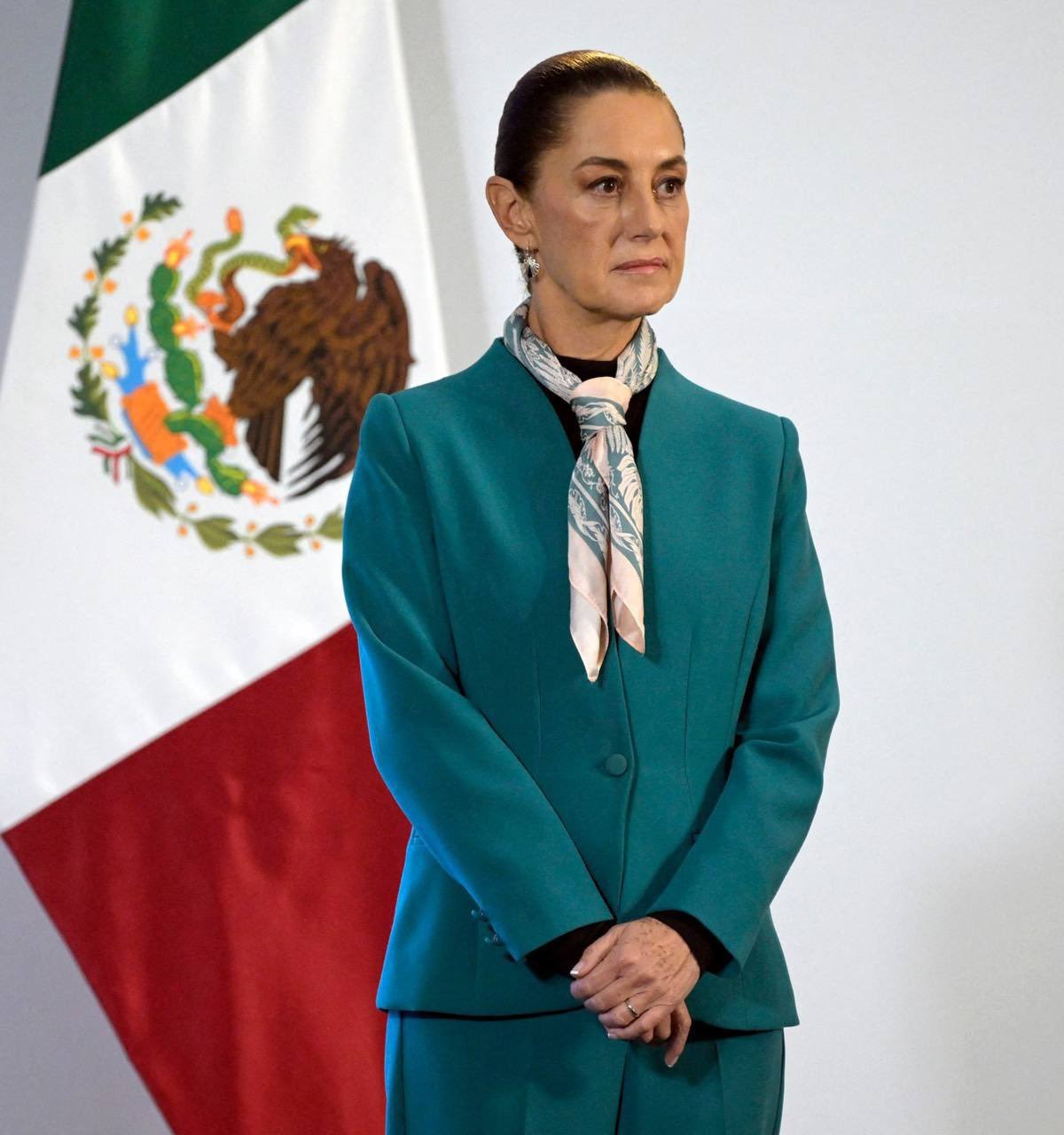
Mexican President Claudia Sheinbaum has made a significant and strategic decision to deploy 10,000 National Guard troops to the US-Mexico border, as part of her administration’s broader efforts to combat the ever-growing issue of drug trafficking. This unprecedented move highlights her administration’s firm commitment to addressing not only the internal security concerns of Mexico but also the growing threat posed by organized crime that transcends borders. The deployment is set to play a pivotal role in combating the influx of illegal drugs, particularly fentanyl, which has wreaked havoc across the United States, leading to thousands of overdose deaths each year.
The decision to send such a large contingent of National Guard troops to the border follows increasing pressure from both domestic and international actors to take stronger actions against Mexico’s notorious drug cartels. These cartels, with their vast networks and immense resources, have been exploiting vulnerabilities along the border to smuggle dangerous substances into the US. For years, the United States has struggled with a crippling opioid crisis, which has been exacerbated by the flow of fentanyl from Mexico. With its deadly potency and ease of distribution, fentanyl has been at the center of the opioid epidemic, claiming the lives of tens of thousands of Americans each year. In light of this, President Sheinbaum’s decision to bolster security at the border is seen as a critical move in stemming the flow of drugs and countering the influence of these criminal organizations.
This deployment comes at a time when both Mexico and the US are engaged in deepening bilateral discussions aimed at tackling the shared threat of organized crime. Both nations recognize the interconnectedness of the drug trade, and Sheinbaum’s decision to reinforce the border with National Guard troops demonstrates her administration’s willingness to take decisive action in partnership with the US. The troops will focus on reinforcing security at key points along the border, particularly in areas known to be hotbeds for drug trafficking activities. With the help of this additional force, Mexico aims to increase its ability to monitor, intercept, and prevent the movement of illicit substances across the border, providing much-needed relief for both countries in their shared battle against the cartels.
The deployment will focus not just on curbing drug trafficking but also on providing critical support in securing vulnerable regions that have long been used as smuggling routes. In many of these areas, cartels have operated with impunity, establishing a stronghold in remote and hard-to-reach locations where law enforcement has struggled to gain control. By sending 10,000 National Guard troops, President Sheinbaum is sending a strong message to both the cartels and the international community that Mexico is committed to tackling the drug trade with the full force of its resources.
However, the decision has not been without controversy. Critics have expressed concerns over the militarization of border security, fearing that the presence of National Guard troops may lead to an escalation of violence and undermine the safety of local communities. Some argue that the military should not be involved in domestic security operations, particularly those related to drug trafficking, as this could lead to an overreach of authority. Despite these concerns, President Sheinbaum has defended her decision, emphasizing the need for a robust and coordinated response to organized crime that includes the full participation of Mexico’s military forces.
In addition to its primary mission of countering drug cartels, the National Guard’s deployment will also strengthen Mexico’s security infrastructure, ensuring that the country has the necessary resources to face the complex and multifaceted nature of drug trafficking. With advanced surveillance capabilities, greater troop presence, and increased intelligence sharing with the United States, this deployment is expected to make a significant impact on the flow of illegal drugs into both nations. It is a move that signals Mexico’s determination to protect its sovereignty while contributing to the broader effort to combat the opioid crisis in the US.
The US has long relied on its relationship with Mexico to tackle the flow of illegal drugs into its borders, and President Sheinbaum’s efforts to improve border security are a step toward deepening cooperation between the two countries. The relationship between the two countries is critical not only in addressing drug trafficking but also in dealing with issues related to migration, border security, and regional stability. President Sheinbaum’s decision has the potential to pave the way for a stronger and more collaborative approach to tackling these issues, benefitting both nations in the long run.
With Sheinbaum’s leadership and the commitment of the National Guard, Mexico is sending a clear message that it is ready to tackle the drug trafficking crisis head-on. The deployment of 10,000 National Guard troops is an unprecedented step that reflects the seriousness with which Mexico is approaching its internal security challenges and its determination to curb the activities of the dangerous cartels that threaten its borders. While it will take time to assess the full impact of this operation, the deployment marks a critical turning point in the fight against organized crime in Mexico and sets the stage for a more coordinated and effective response to the global drug trade.
Stay informed with the latest news from Nigeria and beyond! Join us on WhatsApp or Telegram for real-time updates. Have a report or article? Send it to report@trendingnaijanews.com. Follow us on X (Twitter), Instagram, LinkedIn, YouTube, Tiktok, and Facebook for more updates.