

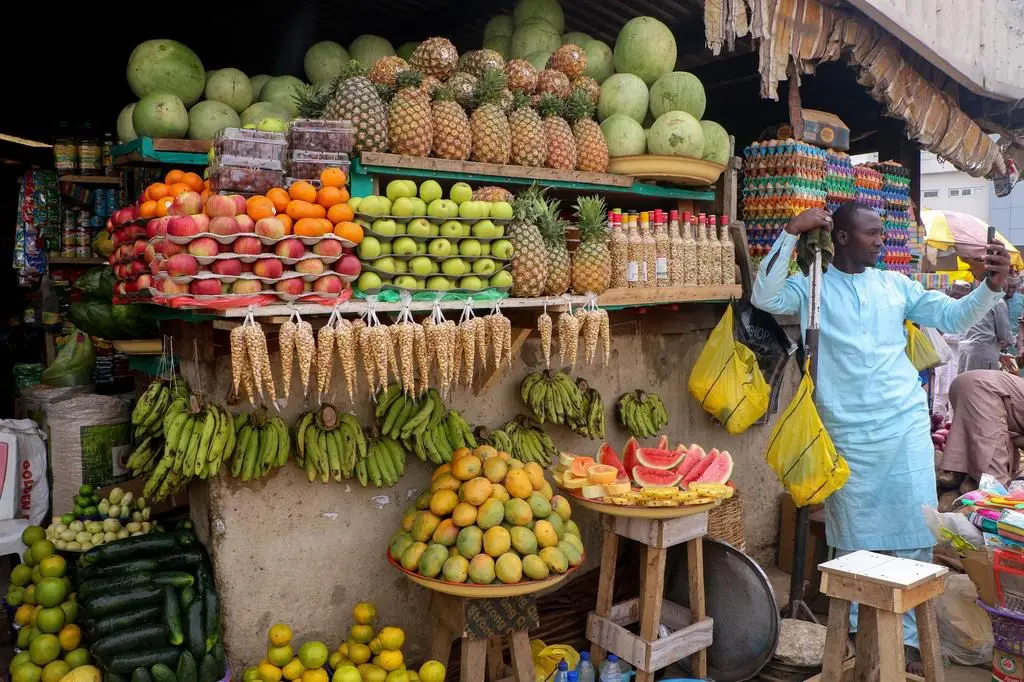
Nigerians are on the verge of relief as the Federal Government unveils a strategic approach to tackling rising food prices without imposing price controls. In a move to stabilize the economy and make essential commodities more affordable, the government is focusing on large-scale agricultural production to increase supply and naturally drive prices down. This initiative comes at a crucial time when millions of households are struggling with soaring food costs, affecting the purchasing power of the average Nigerian. By boosting local production rather than interfering with market pricing, the government aims to achieve long-term stability in the food sector while ensuring sustainable growth for farmers and agribusinesses.
The Minister of Information and National Orientation, Mohammed Idris, reiterated this strategy during the Ministerial Briefing Session in Abuja, emphasizing that the government is fully committed to a free-market economy that encourages production over regulation. He noted that past attempts to fix prices through commodity boards failed to address the root causes of inflation, which is why the administration is choosing a more pragmatic and sustainable approach. As local farmers receive more support through agricultural policies, mechanization, and access to funding, food production is expected to rise significantly, leading to a gradual reduction in market prices. The goal is to make staple foods such as rice, maize, beans, and wheat more accessible to the general public, thereby alleviating economic hardships that have plagued many families in recent years.
Beyond food security, the government is also making major strides in the oil and gas sector, securing over $5 billion in investments in 2024 alone. This development positions Nigeria as Africa’s leading destination for energy investments, reinforcing confidence in the country’s economic potential. The influx of foreign capital into the oil sector is expected to create jobs, boost revenue, and support infrastructure projects that will benefit Nigerians at all levels. With global energy markets becoming increasingly competitive, the government’s ability to attract such substantial investment signals strong investor confidence in Nigeria’s policies and long-term stability. As the country maximizes its oil and gas resources, citizens can expect improvements in economic activities that will translate to better living conditions, increased employment opportunities, and enhanced social welfare programs.
Security remains a key priority, and the government has reported significant progress in combating terrorism, banditry, and other forms of criminality. Over 8,000 terrorists and bandits were neutralized in 2024, while 11,600 suspects were arrested in various security operations. The government also recovered more than 10,000 illegal weapons, marking one of the most aggressive crackdowns on insecurity in recent years. The notorious Abuja-Kaduna highway, once a symbol of lawlessness, is now experiencing increased safety following intensified military patrols and intelligence-led operations. Although security challenges persist, the administration remains committed to making Nigeria safer for citizens, investors, and businesses.
On the economic front, Nigeria has witnessed remarkable improvements in the performance of its currency and financial markets. The Naira recently reached an eight-month high in the official exchange market, reflecting renewed confidence in government policies and foreign exchange reforms. In addition, foreign capital inflows into the Nigerian Stock Exchange have surged dramatically, rising from just 4% in mid-2023 to an impressive 16% by the end of 2024. This uptick demonstrates renewed trust from international investors who see Nigeria as a viable market for long-term growth. With inflation gradually easing and key industries showing signs of expansion, economic analysts believe that 2025 could mark the beginning of a major turnaround for Nigeria’s financial sector.
As the Tinubu administration approaches its mid-term, officials have described 2025 as a year of consolidation, where all the gains made in security, economic recovery, and investment attraction will be strengthened. The government has assured Nigerians that the policies currently in place are not just short-term solutions but part of a broader vision to reposition the country for long-term prosperity. Efforts to improve infrastructure, enhance the ease of doing business, and promote local production will continue, ensuring that Nigeria remains on the path to sustainable development. While challenges remain, the government is optimistic that its strategic interventions will yield positive results in the months ahead.
Stay informed with the latest news from Nigeria and beyond! Join us on WhatsApp or Telegram for real-time updates. Have a report or article? Send it to report@trendingnaijanews.com. Follow us on X (Twitter), Instagram, LinkedIn, YouTube, TikTok, and Facebook for more updates.