

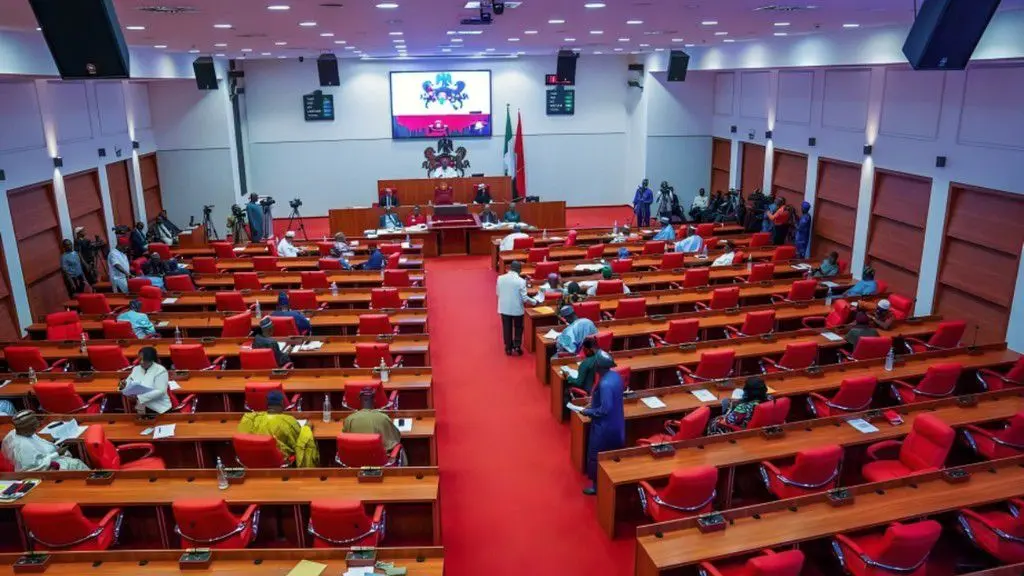
A bill seeking to prohibit the use of foreign currencies for financial transactions and remuneration in Nigeria has passed its first reading in the Senate. If enacted, this legislation would mandate the exclusive use of Nigeria’s local currency, the naira, for all economic activities, signaling a major shift in the country’s monetary framework.
The Proposed Legislation: Key Highlights
The bill, titled “A Bill for an Act to Alter the Central Bank of Nigeria Act, 2007, No. 7, to Prohibit the Use of Foreign Currencies for Remuneration and Other Related Matters,” was introduced by Senator Ned Nwoko, Chairman of the Senate Committee on Reparations and Repatriation.
The proposed legislation focuses on the following objectives:
- Ban on Foreign Currency Transactions: Prohibiting the use of foreign currencies such as the US dollar and British pound sterling for salaries, financial payments, and transactions within Nigeria.
- Strengthening the Naira: Encouraging the adoption and exclusive use of the naira in all forms of economic activity to stabilize its value.
- Economic Sovereignty: Reducing Nigeria’s dependency on foreign exchange to promote economic independence.
The bill’s passage through its first reading highlights a growing legislative intent to tackle Nigeria’s persistent currency depreciation and overreliance on foreign currencies.
Senator Ned Nwoko: Championing Economic Sovereignty
In his remarks, Senator Ned Nwoko strongly criticized the prevalent use of foreign currencies in Nigeria’s economy. He described the trend as a “colonial relic” that undermines national pride and weakens the economic foundations of the country.
“The use of foreign currencies in our financial system perpetuates economic instability and weakens the naira. It is time we prioritise our own currency to achieve true economic sovereignty,” Senator Nwoko stated.
He argued that continued reliance on foreign currencies fuels inflation, weakens investor confidence, and hampers Nigeria’s ability to achieve monetary policy stability. According to Nwoko, prioritizing the naira is a crucial step toward creating a self-sustaining economy.
Economic Implications: What Would the Ban Mean for Nigeria?
If passed into law, the proposed ban on foreign currency usage would have far-reaching implications for key economic sectors, businesses, and individuals. Below are the major impacts:
- Stabilizing the Naira:
- The exclusive use of the naira would reduce demand for foreign currencies, easing pressure on Nigeria’s foreign exchange reserves and stabilizing the currency.
- Experts believe this move could mitigate speculative trading that often accelerates naira depreciation.
- Reduced Dollarization of the Economy:
- Nigeria’s economy has been increasingly dollarized, where transactions for luxury goods, real estate, and salaries are often conducted in foreign currencies.
- A legal mandate to use the naira would address this trend and enhance the currency’s relevance.
- Impact on Businesses and Contracts:
- Companies paying salaries in foreign currencies, particularly in sectors such as oil and gas, banking, and international organizations, may need to restructure contracts to align with the new law.
- Businesses would also be compelled to conduct cross-border payments through legal foreign exchange channels.
- Inflation Control:
- By stabilizing the naira, the cost of imports, goods, and services priced in foreign currencies could reduce over time, controlling inflationary pressures.
- Boost for Local Production:
- The initiative may incentivize local industries by reducing dependence on imported goods priced in dollars.
- Increased production and demand for Nigerian-made goods could stimulate job creation and economic growth.
Public Reaction: Mixed Views on the Proposed Ban
The bill has sparked diverse opinions among stakeholders, economists, and the general public. While some see it as a bold move to strengthen the naira, others question its feasibility and potential unintended consequences.
- Supporters’ View: Proponents argue that prioritizing the naira is essential for economic sovereignty and national pride. It would:
- Discourage illegal forex dealings.
- Improve confidence in the local currency.
- Reduce capital flight and dependence on foreign reserves.
- Critics’ Concerns: Detractors highlight possible challenges such as:
- Forex Scarcity: Businesses reliant on imports may struggle to access foreign exchange for international transactions.
- Implementation Gaps: Enforcing the ban may prove difficult without addressing structural challenges like inflation, monetary policy inconsistencies, and limited local production.
- Impact on Foreign Investment: International companies may find it harder to repatriate profits or conduct business in Nigeria.
Legislative Path Ahead: What’s Next?
The bill’s successful first reading signals the start of a rigorous legislative process. Key stages include:
- Second Reading: Senators will debate the merits and challenges of the bill.
- Committee Review: The bill will undergo a detailed examination by relevant Senate committees.
- Public Hearings: Stakeholders, including businesses, financial experts, and the public, will provide input on the proposed legislation.
- Final Passage: If approved, the bill will be signed into law by the President.
The outcome of these deliberations will determine whether the proposal gains traction or faces resistance from economic stakeholders.
A Step Toward Economic Independence?
Nigeria’s dependency on foreign currencies has been a longstanding issue that exacerbates economic instability and hampers the growth of the naira. The proposed legislation reflects a growing resolve to tackle the dollarization of Nigeria’s economy and reinforce the nation’s economic sovereignty.
However, experts emphasize that the success of such a policy depends on addressing underlying economic challenges, including:
- Diversifying the economy to reduce import dependency.
- Strengthening local production and industries.
- Ensuring consistent monetary policies and forex supply.
Conclusion: Balancing Reform and Feasibility
The bill to ban the use of foreign currencies in Nigeria marks a bold legislative step aimed at strengthening the naira and achieving economic sovereignty. While the proposal holds potential benefits such as stabilizing the local currency and reducing inflation, its implementation will require a comprehensive approach to address existing economic challenges.
As the bill progresses through the Senate, stakeholders and policymakers must strike a balance between reforming Nigeria’s currency practices and maintaining a conducive environment for businesses, foreign investors, and citizens.