

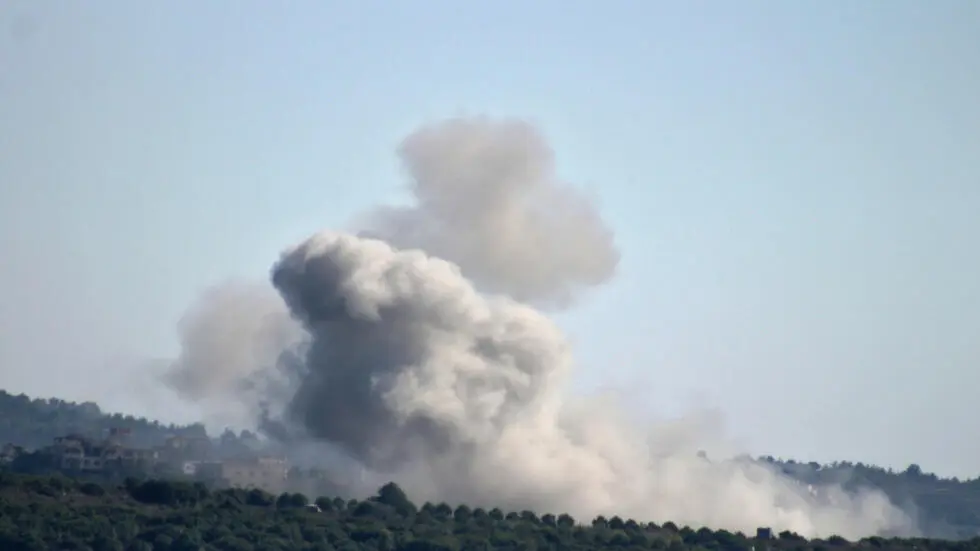
Tensions in the Middle East have escalated as Israel launched widespread airstrikes against Houthi military targets in Yemen, following a recent surge in missile attacks from the Iran-backed group. At least nine people were killed in the port city of Hodeidah during the intense Israeli bombardment, which saw dozens of combat jets, along with fuel and intelligence aircraft, carrying out coordinated strikes. Israel’s military targeted key Houthi assets, including ports and energy infrastructure in Sana’a, areas the group has used to further its military agenda.
The strikes are part of Israel’s escalating retaliation after the Houthis fired hypersonic ballistic missiles at military targets in Israel, including areas near Tel Aviv. Although the missile claims remain unverified, Israel’s defense systems reported a partial interception failure, resulting in debris from the missile hitting a school in Ramat Gan. This marked another chapter in the Houthis’ ongoing missile campaign, which they say is a show of solidarity with Palestinians affected by Israeli airstrikes in Gaza.
Israeli Prime Minister Benjamin Netanyahu declared that the Houthis, along with groups like Hamas and Hezbollah, represent the “axis of evil,” stressing that the Houthis would learn “the hard way” that those who strike Israel would face heavy consequences. Israel’s Defense Minister, Israel Katz, warned the leaders of the Houthi group, pledging that Israel’s military reach would extend to them as well.
In response, the Houthis have promised to escalate their operations, with a senior Houthi official accusing the U.S. and Israel of hypocrisy for their attacks on Yemeni civilian facilities. The Houthis vowed to continue their missile strikes and military operations until they achieve what they see as justice for the Gaza Strip, which remains under siege. As both sides prepare for further confrontations, the conflict shows no sign of de-escalating, adding fuel to an already volatile situation in the Middle East.