

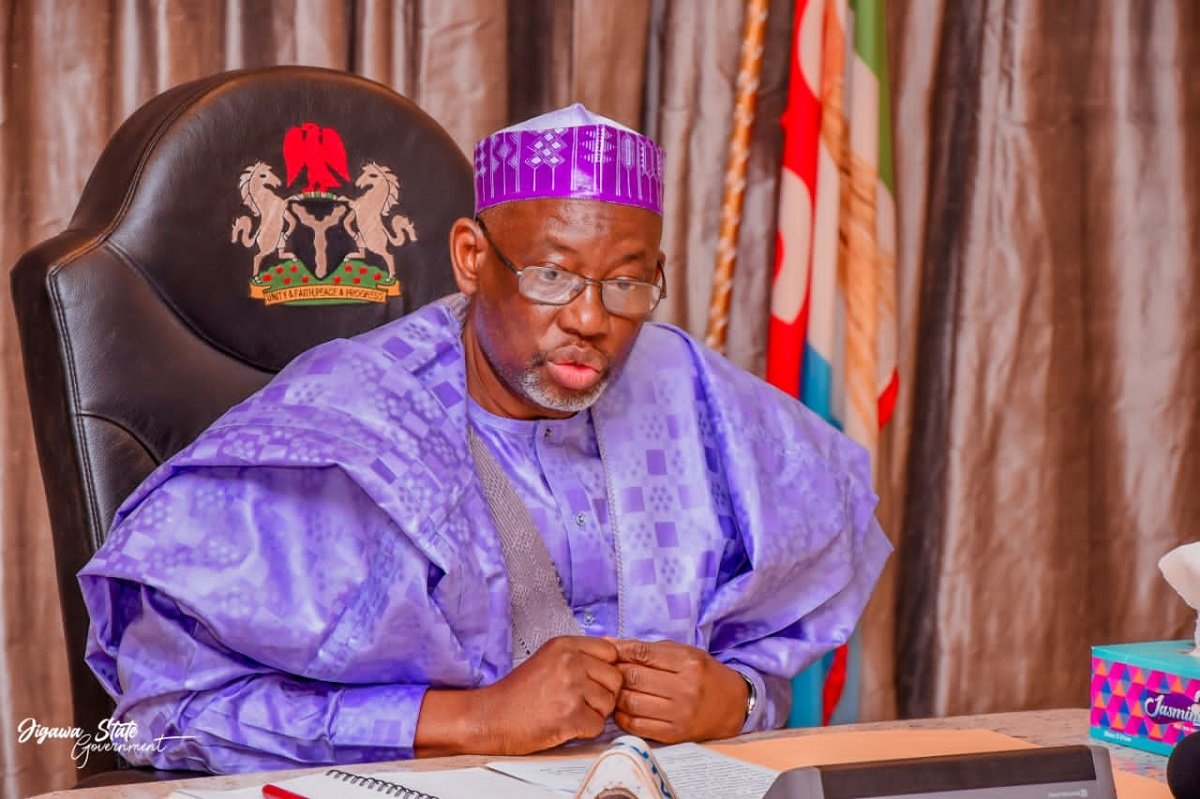
In a groundbreaking move aimed at advancing cleaner energy practices and fostering sustainable growth, the Jigawa State Government has allocated a substantial N132 million towards the development of a training center dedicated to the conversion of vehicles from petrol to Compressed Natural Gas (CNG). The investment was unveiled by Engineer Musa Al’assan Arobade, the Permanent Secretary of the Ministry of Power and Energy, during the opening of a pivotal “Train-the-Trainers” workshop on CNG vehicle conversion. The workshop, which took place at the ministry’s conference hall in Dutse, signifies a major step forward in the state’s commitment to cleaner energy and its dedication to building local expertise in the rapidly growing field of CNG technology.
The establishment of the training center is part of a broader initiative by the Jigawa State Government to promote the use of alternative energy sources as a means of reducing dependence on fossil fuels, lowering environmental pollution, and enhancing the state’s energy security. Al’assan highlighted that the center will not only serve as a hub for technical training but also as a critical resource in the state’s efforts to adopt and promote CNG as a cleaner and more efficient energy source for transportation.
In his address, Al’assan revealed that, as part of the state’s push to incorporate CNG technology, the Jigawa Government will soon award contracts for the conversion of 25 vehicles from petrol to CNG. This move is expected to drastically reduce the emissions of harmful gases and pollutants, making it a crucial part of Jigawa’s strategy to contribute to Nigeria’s broader environmental goals. By transitioning its public transport fleet to CNG, the state is setting an example for both local governments and private entities to consider cleaner alternatives to conventional fuels.
In addition to the fleet conversion, the government is focusing on human capital development by sponsoring the training of 20 individuals who will specialize in CNG vehicle conversion techniques. These individuals will be selected from the Ministry of Power and Energy as well as the Jigawa State chapter of the Association of Automobile Technicians. This training initiative is a part of the state’s plan to equip local technicians with the skills and expertise required to carry out CNG conversions effectively, ensuring that the state not only adopts CNG technology but also builds a skilled workforce capable of supporting the sector’s growth.
This initiative is particularly important in the context of Jigawa’s long-term energy security strategy. By diversifying its energy sources and reducing reliance on petrol, the state aims to strengthen its energy infrastructure while simultaneously tackling pressing environmental challenges. Al’assan noted that, through this program, the government is working to reduce the carbon footprint of the state’s transportation sector, which has long been a major contributor to air pollution.
Furthermore, Al’assan stressed that the Jigawa State Government is committed to the sustainable development of the energy sector, noting that the project aligns with the state’s vision for economic growth and energy independence. By prioritizing the transition to CNG and renewable energy solutions, the government aims to not only enhance the availability of clean energy but also stimulate job creation, increase local industry participation, and foster innovation in the renewable energy sector.
The establishment of the CNG training center and the government’s broader investment in clean energy technologies is expected to attract attention from other regions within Nigeria, positioning Jigawa as a leader in the promotion of CNG technology. In the long term, the state’s efforts may serve as a model for other states looking to reduce their environmental impact and explore alternative energy solutions.
As the state embarks on this ambitious journey, it is clear that the Jigawa State Government is committed to a future where energy security, environmental sustainability, and economic prosperity go hand in hand. With the launch of this training center, Jigawa is taking a decisive step towards a cleaner, greener, and more energy-efficient future for its residents. The successful implementation of this project could very well serve as a key benchmark for other regions and industries across Nigeria, driving the country closer to realizing its renewable energy goals.