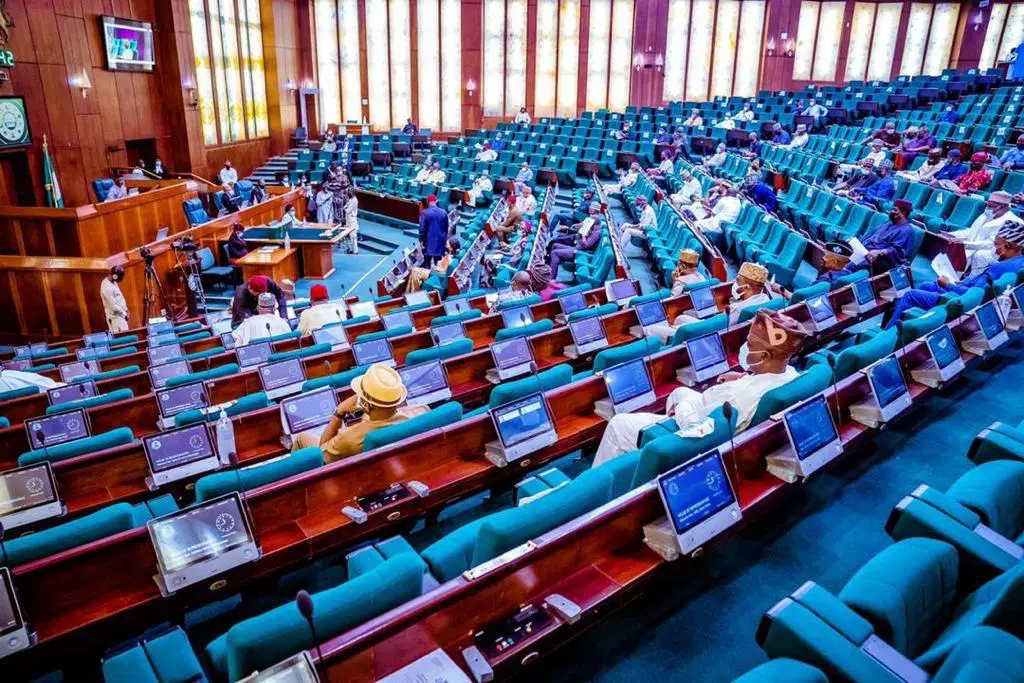
In a bold move to address long-standing economic and social inequalities, the House of Representatives Committee on Disability Matters has called for the exemption of Persons with Disabilities (PWDs) from paying taxes in Nigeria. Chairman of the committee, Bashiru Dawodu (APC, Lagos), made this appeal while highlighting the numerous implementation failures of the 2018 Disability Rights Act. He emphasized that despite the Act’s mandate for at least 5% of job recruitment opportunities to be reserved for PWDs, the law has yet to be fully embraced across all states. The failure to implement this provision has left many PWDs struggling with unemployment and economic instability, further deepening the challenges they face in accessing opportunities for financial independence.
Dawodu stressed that tax reliefs should also be extended to companies employing PWDs or manufacturing specialized equipment for their use. According to him, these measures are necessary to improve the living standards of over 35 million Nigerians living with disabilities and ensure their full integration into society. Without such incentives, businesses are less likely to hire or invest in accommodations for PWDs, limiting their ability to contribute meaningfully to the economy. While acknowledging the importance of the tax reform bills currently under review, Dawodu revealed that his committee would be advocating for tax credits and waivers during the public hearing. This push aims to ease the financial burden on individuals with disabilities while encouraging businesses to become more inclusive by providing employment opportunities and accessible workplaces for them.
Beyond tax relief, Dawodu also called for scholarships to encourage teachers specializing in special education, along with the establishment of a disability trust fund to cater to the long-term interests of PWDs. He noted that the number of qualified special education teachers in Nigeria remains alarmingly low, making it difficult for children with disabilities to receive the quality education they deserve. By providing scholarships and incentives, more educators would be encouraged to specialize in this field, ultimately creating a more inclusive educational system that caters to all learners regardless of their physical or cognitive abilities.
Despite the passage of the Disability Rights Act in 2018, the law remains largely unimplemented across Nigeria. Dawodu pointed out that critical provisions such as ensuring easy access to public buildings, transportation hubs, educational institutions, and healthcare facilities have not been enforced as required. He lamented that only 22 states have domesticated the Act, leaving millions of PWDs without the protections and rights guaranteed by law. This lack of compliance means that many public and private structures remain inaccessible to individuals with disabilities, forcing them to navigate environments that do not accommodate their needs. The House of Representatives is now working on amending the Act to introduce stricter penalties for non-compliance, holding both government agencies and private sector players accountable. This amendment would ensure that authorities and businesses take disability rights more seriously, enforcing consequences for those who fail to comply.
The poor budgetary allocation to the National Commission for Persons with Disabilities has further worsened the situation. Dawodu criticized the N2 billion budgeted for the commission, stating that it reflects a lack of genuine commitment from the government. He argued that with over 35 million Nigerians living with disabilities, a significantly larger investment is required to support programs, services, and infrastructure that would enhance their quality of life. He warned that without proper funding, policies meant to improve the lives of PWDs would remain ineffective, and millions of Nigerians living with disabilities would continue to struggle with discrimination, unemployment, and lack of access to essential services. This chronic underfunding has left the Disability Commission unable to effectively carry out its mandate, further deepening the marginalization of PWDs across the country.
At the signing of a Memorandum of Understanding (MoU) between PWD groups in Abuja, the Director of the PWD’s Potential Unhinged Project, Valentine Ugochukwu Zion, unveiled a series of initiatives designed to empower PWDs nationwide. He announced plans for a nationwide medical access support initiative targeting underserved areas, ensuring that persons with disabilities in remote communities receive the healthcare they need. Many PWDs struggle to access basic medical services due to financial constraints or the inaccessibility of healthcare facilities, making this initiative a crucial step toward improving their well-being.
He also revealed a talent discovery program aimed at showcasing the skills and resilience of PWDs in creative industries. This initiative seeks to break stereotypes surrounding disabilities by highlighting the remarkable abilities and talents that PWDs possess. Through mentorship programs and industry partnerships, PWDs will have the opportunity to explore careers in film, music, writing, and other creative fields, demonstrating that disability is not a limitation but a different ability. Additionally, a reality TV show and an inclusive musical concert are in the works to celebrate the potential of individuals living with disabilities. These programs will not only provide entertainment but will also educate the public on the importance of inclusivity and equal opportunities for all.
The renewed push for PWD-friendly policies comes at a time when disability rights advocates are calling for concrete action beyond political rhetoric. For years, PWDs in Nigeria have faced systemic neglect, discrimination, and exclusion from key areas of society. Experts argue that tax exemptions and economic incentives are crucial in fostering an inclusive society where PWDs can contribute meaningfully without financial hardship. Many also believe that the failure to implement disability laws is a broader reflection of Nigeria’s weak enforcement mechanisms, making it essential for civil society organizations, advocacy groups, and lawmakers to collaborate in holding the government accountable.
With over 35 million Nigerians living with disabilities, the call for tax exemptions, better job opportunities, improved infrastructure, and greater governmental support is not just about policy. It is about dignity, human rights, and social justice. The push for reforms is not just about easing the economic burden on PWDs but ensuring that they are seen, heard, and valued members of society. As discussions continue at the National Assembly, all eyes are on lawmakers to ensure that meaningful reforms are enacted to create an inclusive Nigeria where no one is left behind.
The question now is whether these legislative efforts will translate into real change or whether PWDs will continue to be sidelined in national policies. The stakes are high, and for millions of Nigerians living with disabilities, these decisions could determine their future access to opportunities, economic independence, and social inclusion. Advocates urge the government to act swiftly, ensuring that this momentum leads to tangible results that uplift the lives of PWDs across the country.
Stay informed with the latest news from Nigeria and beyond! Join us on WhatsApp or Telegram for real-time updates. Have a report or article? Send it to report@trendingnaijanews.com. Follow us on X (Twitter), Instagram, LinkedIn, YouTube, TikTok, and Facebook for more updates.