

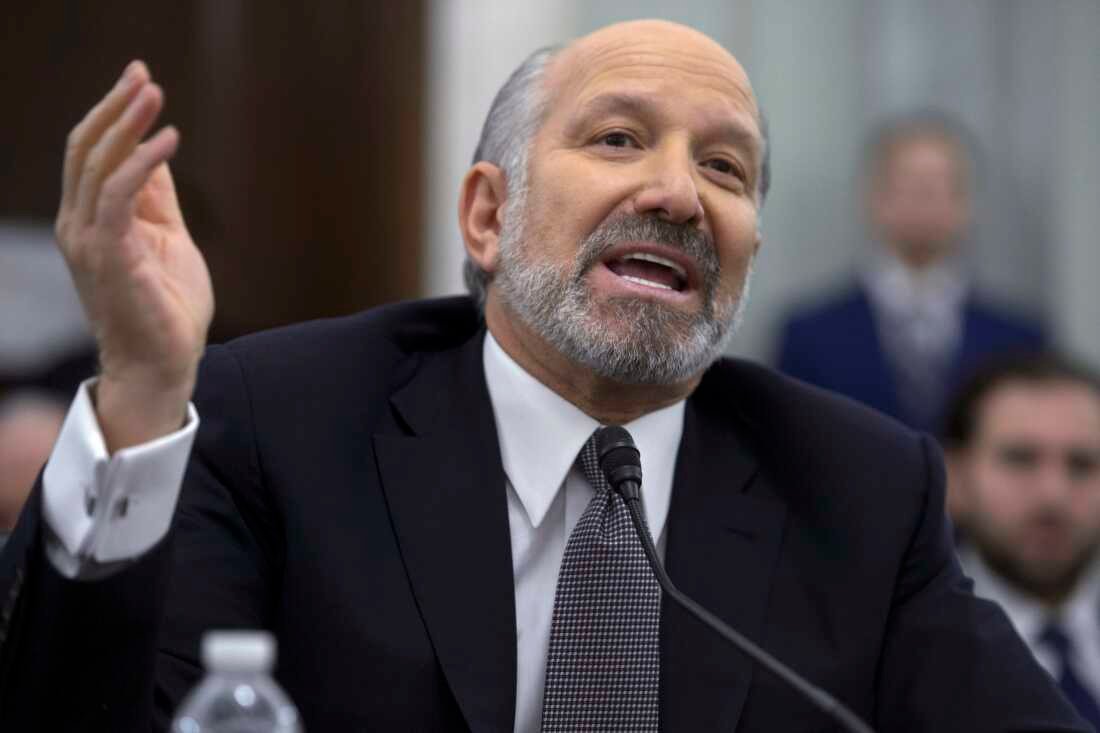
The ongoing trade tensions between the United States, Canada, and Mexico could soon take a new turn as US Commerce Secretary Howard Lutnick revealed that former President Donald Trump will “probably” announce a deal to ease tariffs on the two North American nations. Speaking in an interview with Fox Business Network, Lutnick said that both Canadian and Mexican officials had been in negotiations with him throughout the day, offering commitments to intensify their efforts in combating the flow of the synthetic opioid fentanyl into the United States in exchange for tariff relief.
According to Lutnick, discussions had been active and ongoing, with both nations showing a willingness to cooperate on the fentanyl crisis in hopes of securing a reduction in the newly imposed tariffs. He emphasized that Trump was likely to take a pragmatic approach and find a compromise. He suggested that the former president was considering a flexible response based on the commitments made by Canada and Mexico. He stated that he believed Trump would assess the situation and decide that if they did more, he would be willing to meet them halfway. He hinted at the possibility of an imminent announcement, adding that they were probably going to make it official the next day.
The remarks immediately stirred controversy, with Canada’s Minister of Foreign Affairs, Mélanie Joly, quickly dismissing any suggestions that a deal was in the works. She stated that her office had not been contacted about any such agreement and emphasized that regardless of what US officials might claim, the only person who could make a final decision on the matter was Trump himself. Her response created further uncertainty over whether discussions were genuinely progressing or if Lutnick’s comments were merely an attempt to pressure Canada and Mexico into compliance.
The latest developments come at a time when economic relations between the three North American nations are facing a serious crisis. Washington’s decision to impose a fresh twenty-five percent tariff on Canadian and Mexican imports sent shockwaves through the region. Within hours of the announcement, both countries hit back with retaliatory levies on American goods, fueling concerns that the dispute could spiral into a full-scale trade war with significant economic consequences for businesses, workers, and consumers across all three nations.
Canadian Prime Minister Justin Trudeau did not hold back in his response to Trump’s tariffs, making it clear that Canada was not willing to be bullied into submission. He described the move as a reckless and ill-advised decision and vowed that his government would take strong action to protect Canadian interests. In a show of defiance, he announced that Canada would impose new tariffs on US exports and warned that an escalating trade war would ultimately be damaging for both sides. He stated that it was a move that would not only hurt Canadians but would also have a negative impact on American businesses and workers who relied on trade with Canada.
Trump appeared undeterred by the backlash and responded with a fiery statement on his Truth Social platform. He warned Canada that any retaliatory tariffs would be met with an immediate and proportional response. He stated that when Trudeau imposed retaliatory tariffs on the US, America’s reciprocal tariff would instantly increase by the same amount. His remarks signaled that he was not prepared to back down and that he was willing to escalate the dispute if necessary.
As tensions continued to rise, Trudeau made a startling accusation, suggesting that Trump’s actions were part of a broader attempt to weaken Canada’s economy and bring the country under US control. He dismissed the idea outright and declared that Canada would never become the fifty-first state of the United States. His strong remarks were aimed at reassuring Canadians that their economic sovereignty would remain intact despite the ongoing pressure from Washington.
Meanwhile, reports emerged that Lutnick had privately contacted Ontario Premier Doug Ford, urging Canada to reconsider its retaliatory measures. Sources indicated that the Trump administration was taking issue with what it saw as personal attacks against the former president rather than purely economic pushback. The private outreach suggested that behind the public war of words, there were ongoing efforts to prevent the situation from escalating further.
The trade dispute between the US, Canada, and Mexico is unfolding against the backdrop of another major economic confrontation between the US and China. Just as North American tensions reached new heights, Washington imposed a fresh ten percent levy on Chinese imports. The latest round of tariffs adds to those introduced during Trump’s first term, as well as new duties announced in recent weeks. Beijing wasted no time in responding, imposing its own tariffs on US agricultural products and making it clear that it had no intention of backing down. A Chinese foreign ministry spokesperson warned that China would fight to the bitter end if a trade war escalated.
With Trump expected to make a formal announcement on the tariff situation, the global economic landscape remains volatile. Business leaders, investors, and policymakers are bracing for the potential fallout as uncertainty looms over international trade. The next steps taken by the US, Canada, and Mexico will determine whether tensions subside or if the region moves deeper into a prolonged economic standoff. The stakes are high, and the consequences of a miscalculation could have lasting effects on trade relations, market stability, and economic growth for years to come.
Stay informed with the latest news from Nigeria and beyond. Join us on WhatsApp or Telegram for real-time updates. Have a report or article? Send it to report@trendingnaijanews.com. Follow us on X (Twitter), Instagram, LinkedIn, YouTube, TikTok, and Facebook for more updates.