

A long-running chieftaincy dispute in Nasarawa State has tragically resulted in the deaths of two individuals and left many homes destroyed, exacerbating tensions in the Odu electoral ward of Maraba Udege Development Area. The violent confrontation, which has been simmering for over three years, stems from an ongoing land ownership dispute between the Afo people of Angwan Duse and Angwan Kasa communities. Despite attempts at mediation, the crisis has escalated to such a degree that it is now wreaking havoc on the community, claiming lives, and damaging livelihoods.
The land dispute centers on competing claims between the two communities, with the Afo people of Angwan Duse asserting ownership over the disputed land, while the Angwan Kasa community contests these claims. Efforts by local and state leaders to intervene and reconcile the communities have so far failed to produce a permanent resolution. This unresolved conflict has now manifested in violence that has left two people dead, further intensifying the atmosphere of fear and distrust between the communities.
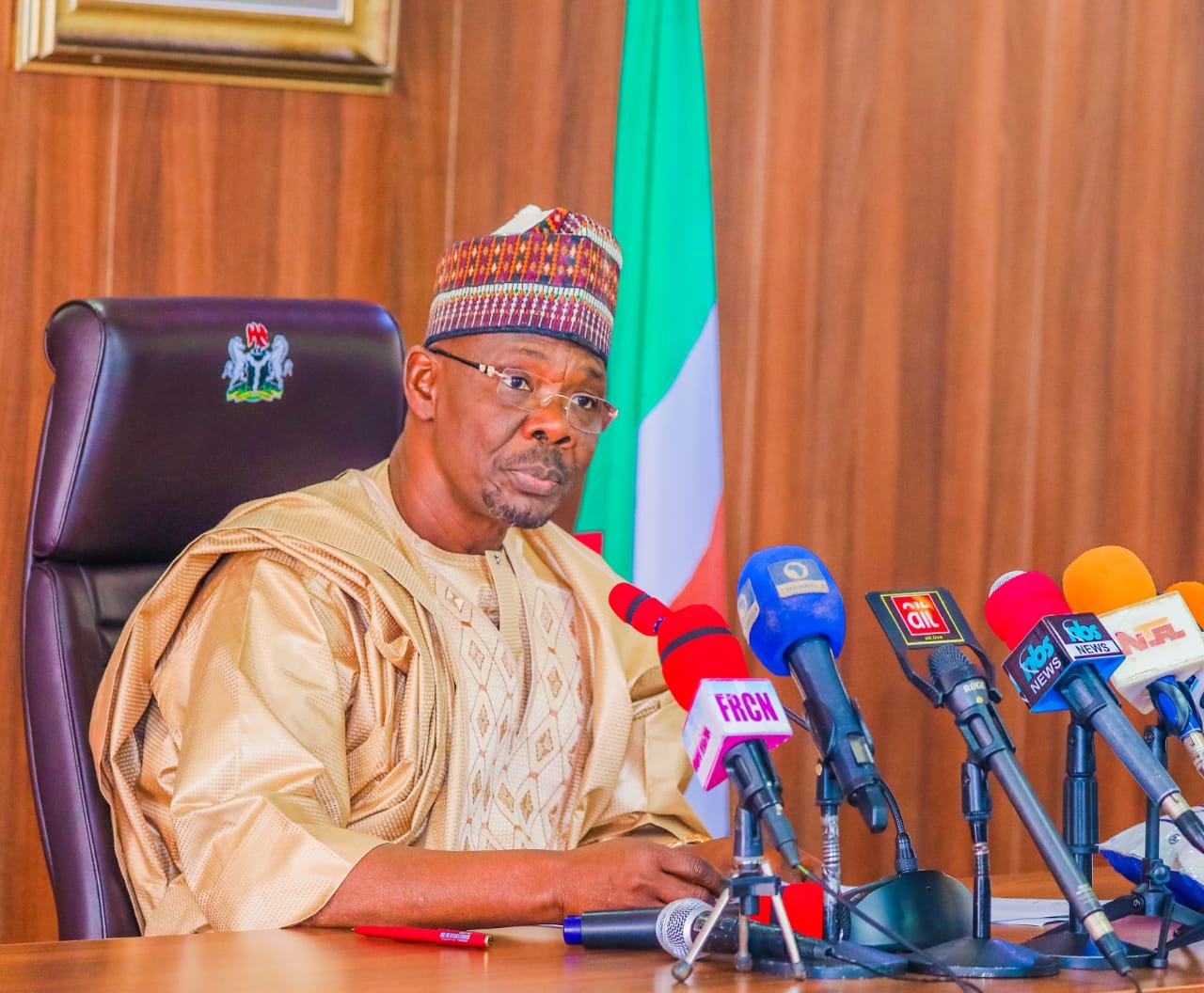
In response to the unfolding violence, Nasarawa State Governor Abdullahi Sule took decisive action by visiting the affected areas to assess the level of destruction and offer support to the communities in distress. During his visit, Governor Sule made it clear that the continuation of the violence was unacceptable and issued a firm call for the immediate cessation of hostilities.
“This crisis has persisted for far too long,” Governor Sule stated during his address to the embattled communities. “We must put an end to this senseless destruction and loss of lives.” His comments reflect the growing frustration of both state and local authorities with the ongoing conflict. The governor’s statement served as a reminder to both parties that the violence must stop and that it is in the collective interest of the entire community to seek a peaceful resolution.
As part of his intervention, Governor Sule also announced plans to appoint an administrator who will oversee the governance of the Maraba Udege area, with the key goal of fostering peace and facilitating the resolution of the conflict. The appointed administrator will be tasked with building bridges between the two communities and working toward a long-term solution that addresses the underlying issues of land ownership and communal tensions.
In his speech, Governor Sule emphasized the necessity of unity for the growth and development of the Maraba Udege region. He urged all stakeholders to view the area as a shared heritage of the Afo people and to set aside their divisions for the collective good. The governor’s call for unity is particularly significant in light of the region’s potential for economic growth, as it is home to a number of mining activities that could provide substantial economic opportunities.
“We need peace here to harness the opportunities that lie within this region,” Governor Sule said. His words underscore the fact that economic growth cannot occur in an environment of constant conflict and instability. The presence of mining operations in the area has heightened the importance of peace, as the region’s natural resources hold great promise for driving economic development. However, without the cooperation and stability fostered through peace-building efforts, the potential for these opportunities will remain untapped.
Governor Sule’s emphasis on unity also reflects a broader vision for the state’s future. He made it clear that regional cooperation is essential not only for the well-being of the people but also for attracting investment and driving sustainable growth. A peaceful Maraba Udege, free from violence and division, would provide the foundation for both social and economic prosperity.
The chieftaincy conflict between the Afo people of Angwan Duse and Angwan Kasa communities highlights the complex nature of land disputes in rural Nigeria. This crisis is not an isolated incident but rather part of a broader pattern of land conflicts that often fuel communal violence across the country. The escalation of the Maraba Udege dispute serves as a stark reminder of the urgent need for government intervention in resolving long-standing land issues before they spiral into more destructive violence.
As the violence continues, the need for dialogue becomes increasingly pressing. Governor Sule’s call for peaceful coexistence between the Odu and Embu communities is an important step in de-escalating the situation and creating an atmosphere conducive to open communication. In his address, he also acknowledged the crucial role of local leaders, elders, and stakeholders in fostering peace and ensuring that the lessons of this crisis lead to better conflict management practices in the future.
The governor’s commitment to appointing an administrator to oversee the peace-building process is a positive step toward ensuring that efforts toward reconciliation are not left to chance. It is essential that the administrator acts swiftly to engage with the communities, address grievances, and work toward a negotiated settlement that addresses both the immediate and long-term concerns of the affected parties.
The conflict in Maraba Udege represents not only a challenge to local governance in Nasarawa State but also a wider issue of communal conflict that requires a concerted effort from all stakeholders to resolve. As Governor Abdullahi Sule calls for an end to the violence, the hope is that his leadership will help pave the way for lasting peace and stability in the region.
If successful, the resolution of the Maraba Udege chieftaincy dispute could serve as a model for other regions facing similar challenges. By prioritizing dialogue, peace-building, and community collaboration, Nasarawa State could transform what is currently a crisis into an opportunity for social and economic renewal. However, achieving this vision will require sustained commitment from all parties involved, as well as ongoing support from the state government and the broader community. Only through collective action and a focus on unity can the region hope to overcome its challenges and build a future of peace and prosperity for all its people.